Mobile consumer electronics trends shaping phones, wearables and accessories in 2026
Mobile consumer electronics now extend well beyond smartphones. The category includes phones, tablets, wearables, wireless audio, chargers, power banks, mobile gaming devices and the services that make these products useful day to day. In 2026, the key shift is not only faster hardware. Mobile products are becoming a connected ecosystem shaped by AI features, higher memory costs, common charging standards, repairability expectations and cybersecurity labels. For readers following broader device developments, our Gadgets section tracks how these changes affect everyday electronics choices.
What counts as mobile consumer electronics
Mobile consumer electronics are personal technology products designed to be carried, worn or used with portable devices. The category is broader than the handset market, although smartphones remain the anchor product because they connect accessories, services and user accounts.
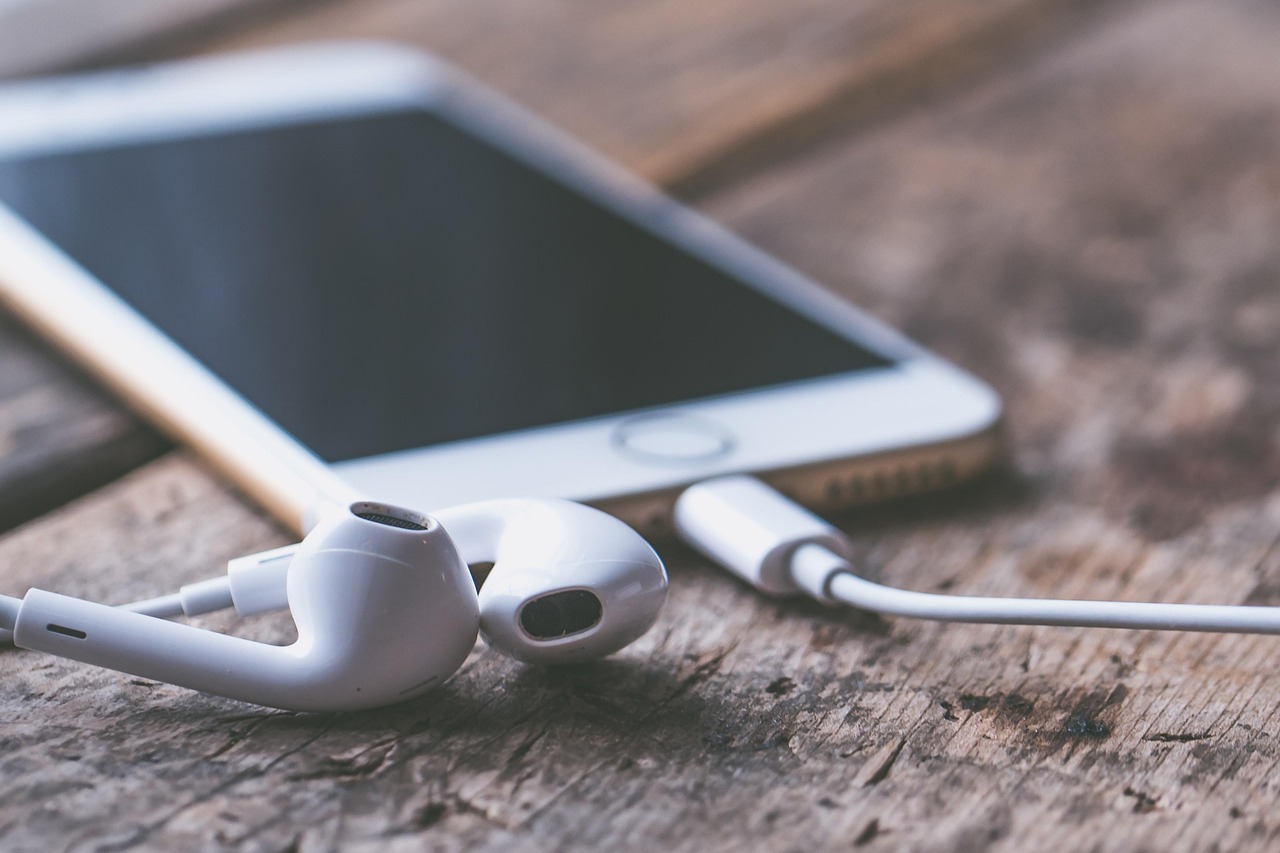
Common examples include:
- Smartphones and feature phones
- Tablets and e-readers
- Smartwatches, fitness bands and health wearables
- Wireless earbuds, headphones and portable speakers
- Power banks, USB-C chargers, charging pads and cables
- Handheld gaming devices and mobile controllers
- Trackers, portable navigation devices and connected personal accessories
- Subscription services for video, music, gaming, cloud storage and device protection
The practical definition is changing because the value of a device increasingly depends on what it connects to. A phone is no longer just a communication tool. It can also be a camera, wallet, health dashboard, smart home controller, authentication device and content hub. That is why mobile accessories and services now matter almost as much as the main hardware purchase.
The 2026 market is growing in value but under pressure
Public industry data points to a mixed market. Demand for technology remains strong, but unit growth is more limited and price pressure is more visible. The Consumer Technology Association said in January 2026 that U.S. consumer technology revenue was projected to reach $565 billion in 2026, up 3.7% year over year. In the same forecast, hardware revenue was expected to grow 3.4%, while software and services were projected to reach nearly $194 billion.
The smartphone market shows this tension more clearly. IDC reported in its September 2026 smartphone market update that worldwide smartphone shipments fell 7.4% year over year in the second quarter of 2026 to 276.3 million units. IDC also forecast a 16.7% drop in worldwide smartphone shipments for the full year, with average selling prices rising sharply because of memory supply constraints.
Counterpoint Research, using its own forecast published in June 2026, also expected a difficult unit environment. At the same time, it projected that GenAI-capable smartphones would reach 45% of global shipments in 2026 and 52% in 2027. The exact numbers differ between research firms, but the overall message is similar: mobile consumer electronics are becoming more premium, more software-driven and more exposed to component costs.
| Source | 2026 signal | Why it matters |
|---|---|---|
| CTA January 2026 forecast | U.S. consumer tech revenue projected at $565 billion | Spending remains resilient even as shoppers watch prices |
| IDC September 2026 update | Smartphone shipments under pressure as memory costs rise | Brands may push premium models while low-end devices face margin stress |
| Counterpoint June 2026 forecast | GenAI-capable phones projected at 45% of shipments | AI is becoming a standard feature, especially in higher-end phones |
| GSMA Mobile Economy 2026 | Mobile services support billions of global connections | Connectivity keeps expanding the role of portable devices |
Smartphones remain the center of the mobile device stack
Even as wearables and earbuds grow, the smartphone still organizes the mobile electronics experience. It holds the user account, runs companion apps, manages payments, connects to health platforms and controls many accessories. This central role explains why a slowdown in smartphone shipments can affect adjacent categories.
The upgrade cycle, however, is becoming more selective. Many consumers already own phones that are good enough for messaging, browsing, banking and video. That makes everyday usefulness more important than specification jumps. A brighter display or faster chip may not be enough by itself; buyers are asking whether a device improves battery life, camera reliability, storage, privacy, repairability or cross-device convenience.
AI features are becoming standard, but usefulness is still the test
On-device and hybrid AI features are now central to premium phones. They support tasks such as image editing, translation, summarization, voice assistance and contextual search. Counterpoint’s June 2026 forecast suggested that GenAI capability is already standard in high-end smartphones priced above $400 wholesale. Still, the same research noted a gap between phones that can run AI features and users who rely on those features daily.
That distinction matters. A feature can help sell a device, but it only changes buying behavior if people use it repeatedly. For mobile consumer electronics, successful AI will likely be practical rather than flashy: better call screening, more accurate voice commands, improved accessibility, smarter battery management, cleaner photos and faster local search across personal content.
Foldables are visible, but not yet the whole market
Foldable and flip phones continue to attract attention because they offer a clear hardware difference from standard slab designs. CTA’s October 2026 holiday purchase study found that smartphones were high on U.S. gift consideration lists, and among respondents considering a smartphone gift, many were looking at foldable or flip models. That does not mean foldables have become mainstream for every buyer, but it shows that form factor innovation still influences premium interest.
The limits are also clear. Foldables tend to cost more, require more complex hinges and displays, and may raise durability questions for cautious buyers. Their future depends on whether brands can make them thinner, more durable, less expensive and clearly more useful than conventional large-screen phones.
Wearables, audio and accessories are where daily value shows up
Many mobile purchases in 2026 are not replacement phones. They are products that extend phone use. Wireless earbuds, smartwatches, fitness trackers, chargers and power banks are smaller purchases, but they directly affect daily convenience.
CTA’s October 2026 holiday study found wireless audio at the top of planned U.S. tech gifts, with wireless headphones or earbuds considered by 67% of respondents. Phone accessories also ranked highly, including cases, portable power banks and wireless charging docks or pads. These figures help explain why the mobile consumer electronics market cannot be understood through smartphones alone.
Wearables remain important because they occupy a different role from phones. A smartwatch or fitness band is always on the body, which makes it useful for notifications, activity tracking, heart rate monitoring, sleep insights, contactless payments and safety alerts. The value is not raw computing power; it is immediate access and passive data collection.
Wireless audio has followed a similar path. Earbuds are now communication tools, entertainment devices and work accessories. Improvements in active noise cancellation, microphone quality, battery life and multipoint pairing may matter more to consumers than small changes in frequency response. For many buyers, the best mobile accessory is the one that removes friction several times a day.
Charging, repairability and durability are becoming buying factors
Charging used to be a background detail. It is now a design and policy issue. The European Union’s common charger rules require USB-C for many portable electronic devices placed on the EU market, including handheld mobile phones, tablets, digital cameras, headphones, earbuds, portable speakers, e-readers, keyboards and mice. Those requirements began applying to many device categories on December 28, 2024, and to laptops on April 28, 2026. See also: Components.
The effect reaches beyond Europe because global electronics brands often prefer simplified product lines where possible. USB-C does not make every charger identical in power or quality, but it does reduce connector fragmentation. For consumers, the important details are wattage, cable rating, safety certification and whether the charger supports the power profile required by the device.
Repairability is another rising factor. EU rules for smartphones and tablets that started applying in June 2025 introduced requirements related to durability, battery performance, spare parts availability and energy labeling. The labels include information such as energy efficiency, battery lifespan and resistance to dust, water and accidental drops, along with a repairability score. These rules apply in the EU, but they may influence product design and marketing globally.
For buyers, this means the purchase decision should include questions that used to be overlooked: How many years of software updates are promised? Can the battery be serviced? Are spare parts likely to remain available? Does the device carry a meaningful water and dust resistance rating? A slightly cheaper device can become more expensive if it must be replaced sooner.
Security is becoming part of product quality
Mobile consumer electronics increasingly connect to personal accounts, home networks and sensitive data. That makes cybersecurity a product quality issue, not only an IT issue. A smartwatch may collect health data, earbuds may connect across work and personal devices, and trackers may expose location patterns if poorly secured.
In the United States, the FCC created a voluntary cybersecurity labeling program for wireless consumer Internet of Things products. The program is designed around a Cyber Trust Mark and a QR code that can point consumers to more information about a product’s security status, support period and update practices. Program details have continued to evolve, but the direction is important: shoppers are being encouraged to consider security support as part of the purchase.
For mobile electronics, the most practical security questions are straightforward. Does the manufacturer provide regular updates? Are updates automatic or easy to install? Does the device require a unique password or secure account setup? Can the user delete data before resale or recycling? Is the product still supported, or is it near the end of its update life?
What this means for buyers, brands and retailers
For consumers, the main lesson is to compare total value rather than only launch price. A phone, watch or pair of earbuds should be judged by its expected support life, battery performance, repair options, charging compatibility, privacy controls and accessory ecosystem.
For brands, the challenge is to turn advanced features into simple benefits. AI, foldable displays, health sensors and fast charging are easier to market than to explain. The strongest message is not more technology for its own sake, but a clearer answer to everyday problems: longer useful life, fewer chargers, better calls, safer accounts, faster help and smoother movement between devices.
For retailers, mobile consumer electronics create strong cross-selling opportunities, but trust matters. A phone purchase often leads to cases, chargers, earbuds, screen protection, cloud storage or device insurance. Retailers that explain compatibility, charging wattage, update periods and return policies clearly can reduce confusion and improve customer confidence.
- Buy devices with a realistic support window, not just attractive launch specifications.
- Check charger and cable wattage before assuming all USB-C accessories perform the same.
- Evaluate AI features by daily usefulness rather than brand language.
- Consider repairability, battery replacement and spare parts when comparing prices.
- Treat update policies and account security as core product features.
Frequently asked questions
Are mobile consumer electronics the same as smartphones?
No. Smartphones are the core product, but the category also includes tablets, wearables, wireless audio, chargers, power banks, portable gaming devices, trackers and related subscriptions. The market is best understood as an ecosystem of portable devices and services.
Why are mobile electronics prices rising in some categories?
Several factors can raise prices, including memory costs, premium components, advanced displays, AI-capable processors, higher storage requirements and supply chain pressure. Research firms such as IDC have linked 2026 smartphone price pressure partly to memory supply constraints.
Does AI make a phone worth upgrading?
It depends on the use case. AI features can be valuable when they improve photos, translation, accessibility, search, privacy or daily productivity. A phone is not automatically worth upgrading just because it is AI-capable; the important question is whether those features solve problems you actually have.
Why does USB-C matter for mobile consumer electronics?
USB-C reduces connector fragmentation across phones, tablets, headphones, speakers and laptops. It can make charging more convenient, but consumers still need to check wattage, cable quality and device compatibility because not every USB-C charger delivers the same power.
What should buyers check before purchasing a wearable or mobile accessory?
Check compatibility with your phone, battery life, charging method, update policy, water resistance, app quality, privacy settings and warranty coverage. For connected accessories, security support is just as important as design or price.