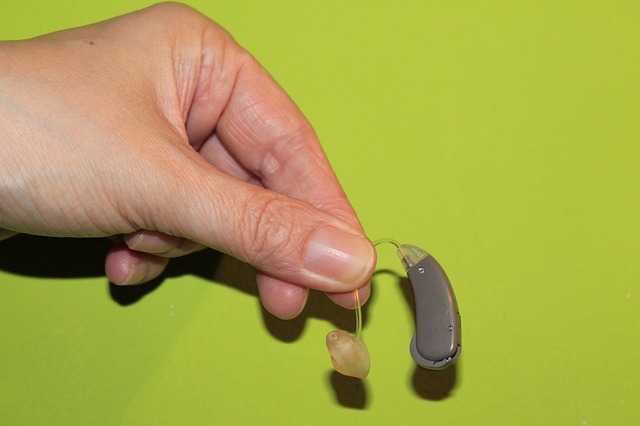
Are Audien Hearing Aids Reviews Reliable for OTC Users Seeking Precision
No Single Over-the-Counter Hearing Aid Is Perfect for Everyone, So We Have Multiple Recommendations
The OTC hearing aid market has expanded rapidly, offering consumers more choice than ever before. Yet no single device fits every ear or lifestyle. Variations in sound processing, comfort, and user expectations make personalized evaluation essential. Expert reviews and verified user feedback reveal that some devices excel in clarity while others prioritize affordability or simplicity. Brands like Audien have drawn significant attention for their accessible pricing and ease of use. Still, the most reliable approach for professionals and consumers alike is to compare multiple models using both technical data and authentic user experiences.
The Role of Reviews in Evaluating OTC Hearing Aids
Reviews are now central to how consumers judge the performance of over-the-counter hearing aids. They bridge the gap between clinical specifications and real-world usability, especially as the market becomes more competitive.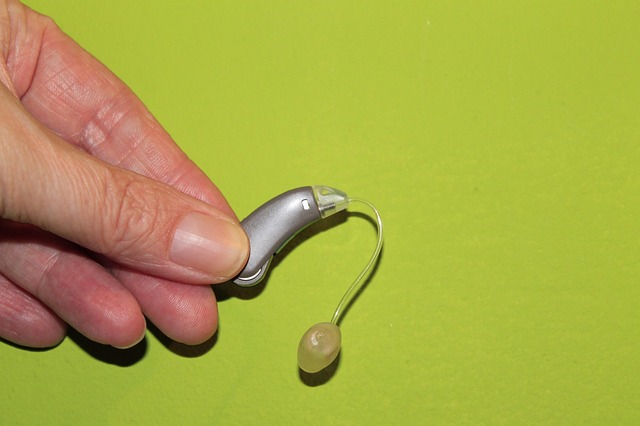
The Growing Market for Over-the-Counter Hearing Devices
The introduction of OTC hearing aids has democratized access to hearing support for adults with mild to moderate hearing loss. Regulatory reforms have opened opportunities for innovation, encouraging both established manufacturers and start-ups to launch new models. This shift has not only diversified product features but also expanded price ranges, from budget-friendly amplifiers to advanced digital aids with Bluetooth connectivity. In this context, consumer reviews act as an informal quality control system, revealing recurring issues or standout benefits that might not appear in technical documentation.
Why Audien Hearing Aids Reviews Draw Attention
Among OTC brands, Audien remains one of the most discussed names in online forums and review platforms. Its appeal lies in its affordability and simplicity—traits that resonate with first-time users who may find prescription devices cost-prohibitive or overly complex. Many Audien hearing aids reviews mention easy setup and discreet design as major advantages. However, they also point out limitations such as limited customization options compared to higher-end prescription models. This duality makes Audien a useful case study for understanding how consumer expectations shape perceptions of value.
Assessing the Reliability of Audien Hearing Aids Reviews
Not all reviews carry equal weight. Professionals evaluating public feedback must consider potential bias sources and analyze patterns across multiple datasets to identify consistent product characteristics.
Common Sources of Bias in Online Reviews
Bias can enter review ecosystems through paid endorsements or affiliate marketing arrangements that subtly influence tone or content. Emotional bias is another factor—users frustrated by unrealistic expectations may underrate performance even when devices function within design limits. Furthermore, verification standards vary across platforms; some require proof of purchase while others allow anonymous submissions, making it harder to separate genuine experiences from promotional noise.
Evaluating Review Patterns for Analytical Insights
Analyzing review trends across different sites helps identify recurring strengths or weaknesses in a product line. For instance, if several independent users consistently praise Audien’s comfort but criticize background noise handling, those patterns likely reflect genuine performance traits rather than isolated opinions. Discrepancies between verified purchaser comments and influencer-style testimonials often indicate commercial bias. Linguistic analysis—looking at technical detail versus vague emotional language—can further clarify which reviews stem from authentic long-term use.
Technical Considerations for OTC Users Seeking Precision
When assessing OTC hearing aids scientifically, professionals rely on measurable performance metrics rather than subjective impressions alone.
Key Performance Metrics in Hearing Aid Evaluation
Frequency response range remains a fundamental indicator of sound fidelity across speech frequencies and environmental noises. A broader range generally yields more natural sound reproduction. Signal-to-noise ratio (SNR) is equally critical; higher SNR values improve speech intelligibility in crowded environments such as restaurants or public transport hubs. Battery life affects daily convenience while latency impacts synchronization during media playback or phone calls. Comfort—though subjective—plays a measurable role in long-term compliance rates among users.
Comparing Audien Models with Other OTC Alternatives
Audien’s product line typically emphasizes simplicity over extensive programmability, contrasting with newer OTC competitors that integrate smartphone-based tuning apps.
Sound Processing Technology Differences
Digital amplification algorithms vary widely among OTC brands. Some employ adaptive compression schemes that dynamically adjust gain based on ambient noise levels, while others use fixed amplification profiles optimized for speech clarity. Feedback suppression systems also differ: advanced models use phase-cancellation techniques to minimize whistling sounds common in tightly sealed ear canals.
Fit, Comfort, and Customization Factors
Ear anatomy differs significantly among individuals; even small variations in canal diameter can alter acoustic sealing and perceived loudness. Devices offering multiple tip sizes or adjustable gain settings accommodate these differences better than one-size-fits-all designs. For example, users with narrow canals often report improved comfort when using soft silicone domes rather than rigid plastic housings—a detail frequently cited in user feedback about Audien products.
Professional Perspectives on User Feedback Integration
Audiologists play an essential role in translating subjective online commentary into clinically relevant insights.
The Role of Audiologists in Interpreting Consumer Reviews
Professionals contextualize consumer feedback within objective test results such as audiograms or real-ear measurements (REMs). When a user reports “muffled” sound quality, an audiologist can determine whether the issue stems from improper fit, occlusion effect, or device bandwidth limitations rather than manufacturing defects. This interpretive process transforms anecdotal evidence into actionable diagnostic information.
Balancing Subjective Experience with Objective Measurement Data
Objective testing validates whether reported performance aligns with engineering claims. Real-ear measurements quantify how much amplification reaches the eardrum under actual wearing conditions—a crucial step since ear canal acoustics vary widely among users. Combining this data with structured questionnaires about listening comfort produces a holistic evaluation framework that balances science with lived experience.
Building a Framework for Reliable OTC Hearing Aid Evaluation
Establishing credibility standards helps both professionals and consumers navigate the flood of online opinions surrounding brands like Audien.
Criteria for Assessing Review Trustworthiness
Reliable reviews share two main traits: transparent sourcing and technical specificity.
Source Transparency and Verification Standards
Verified purchase tags add credibility by confirming that reviewers actually used the product they discuss. Platforms implementing identity checks or timestamped receipts provide stronger evidence against fabricated testimonials.
Technical Specificity in User Feedback
Feedback describing measurable aspects—such as battery duration under continuous use or clarity at specific volume levels—offers greater analytical value than vague satisfaction ratings alone. Detailed commentary allows experts to map perceived outcomes against laboratory benchmarks like total harmonic distortion (THD) or SNR performance curves.
Developing Evidence-Based Recommendations for OTC Consumers
A robust evaluation process involves triangulating multiple independent review sources alongside professional testing data. By comparing verified user experiences across diverse demographics and pairing them with audiological assessments, experts can recommend devices tailored to specific needs rather than one-size-fits-all solutions. For precision-focused consumers seeking balanced guidance, this hybrid approach reduces risk while improving satisfaction outcomes over time.
FAQ
Q1: Are Audien hearing aids suitable for severe hearing loss?
A: No, they are designed primarily for mild to moderate hearing loss cases where basic amplification suffices without medical supervision.
Q2: How long does an average Audien battery last?
A: Battery life varies by model but typically ranges between 16–20 hours per full charge depending on usage intensity.
Q3: Do OTC hearing aids require professional fitting?
A: While not mandatory, professional fitting improves comfort and acoustic accuracy by ensuring proper seal alignment within the ear canal.
Q4: What distinguishes verified reviews from promotional ones?
A: Verified reviews include proof-of-purchase indicators and detailed technical descriptions absent from generic promotional content.
Q5: Can real-ear measurements be applied to evaluate OTC devices?
A: Yes, audiologists routinely use REMs to measure actual output levels inside the ear canal regardless of whether the device is prescription-based or OTC-grade.