Are Jabra Hearing Aids Reviews Reliable for Over-the-Counter Users
No Single Over-the-Counter Hearing Aid Is Perfect for Everyone, So We Have Multiple Recommendations
The rise of over-the-counter (OTC) hearing aids has reshaped how people with mild to moderate hearing loss access auditory support. Yet, despite convenience and affordability, no single device fits every user equally. Individual hearing profiles, lifestyle factors, and expectations vary widely. Expert analysis of consumer data reveals that models like Jabra Enhance Plus excel in some areas—sound clarity and app control—but may not satisfy users prioritizing simplicity or long battery life. This article explores why diversity in recommendations is essential when interpreting jabra hearing aids reviews and other OTC options.
Understanding the Context of Over-the-Counter Hearing Aids
The OTC hearing aid market represents one of the most significant regulatory shifts in hearing health in decades. As accessibility expands, so does the need for critical evaluation.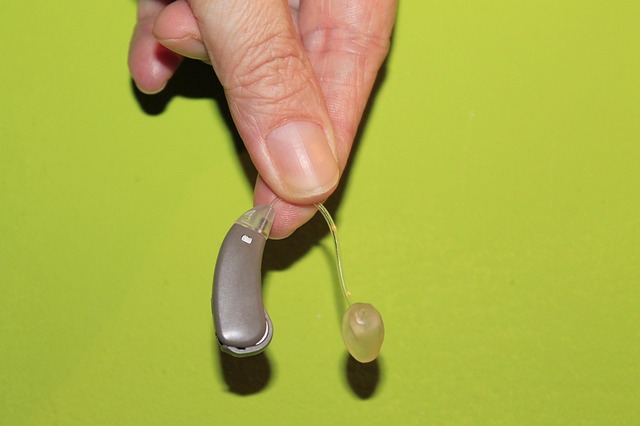
The Evolution of OTC Hearing Devices
When the U.S. Food and Drug Administration (FDA) authorized OTC hearing aids, it allowed adults with mild to moderate hearing loss to purchase devices without a prescription. This decision broadened access but also placed more responsibility on consumers to self-assess their needs. Unlike prescription devices that require audiologist fitting and calibration, OTC models rely on self-fitting algorithms and smartphone apps for customization. These devices are regulated differently, focusing on safety and labeling rather than clinical efficacy.
Market growth has been rapid. Analysts note that miniaturization of components, Bluetooth integration, and AI-driven sound processing have driven consumer curiosity. The segment now attracts both tech companies and traditional audiology brands seeking new audiences.
The Role of Consumer Reviews in Evaluating OTC Hearing Aids
As consumers navigate this new landscape, online feedback plays a central role in shaping perceptions of quality. Most buyers now check multiple jabra hearing aids reviews before making a purchase decision. However, user-generated content often reflects subjective impressions rather than standardized testing outcomes.
Biases can arise from limited trial periods or unrealistic expectations shaped by marketing claims. Therefore, expert readers must interpret reviews through a technical lens—cross-referencing user satisfaction with measurable performance metrics such as frequency response or speech-in-noise enhancement verified under IEC 60118 standards.
Examining Jabra Hearing Aids Within the OTC Landscape
Jabra’s entry into the OTC category provides an interesting case study because it merges consumer electronics expertise with clinical-grade technology.
Brand Background and Market Positioning
Jabra originated as a premium audio brand known for workplace headsets and earbuds. Its move into hearing health was facilitated by its parent company GN Group—the same entity behind ReSound, a major name in medical-grade hearing aids. This partnership lends credibility to Jabra’s products while maintaining accessibility through retail channels.
Compared with other OTC brands, Jabra positions itself between lifestyle audio and medical-grade devices. It targets users comfortable with smartphone-based adjustments but who still expect professional-level sound fidelity.
Key Features Highlighted in Jabra Hearing Aid Reviews
Consumer evaluations often center on four main dimensions: acoustic performance, comfort, connectivity, and power management.
Sound Quality and Performance
Many reviewers report impressive clarity during conversation and effective noise reduction in moderate environments such as cafes or offices. Speech enhancement algorithms adapt automatically based on ambient conditions. Still, variability exists; users with asymmetric hearing loss or frequent exposure to high background noise sometimes find results inconsistent.
Comfort, Fit, and Design Considerations
Feedback highlights lightweight construction and discreet aesthetics similar to true wireless earbuds. Multiple ear tip sizes help achieve better sealing for sound isolation. Long-term wearers mention minimal fatigue during daily use—though some note occasional pressure buildup after extended sessions depending on ear canal shape.
Connectivity and App Integration
Bluetooth stability remains strong across modern smartphones. The companion mobile app allows fine-tuning treble or bass levels and switching between listening modes like “focus” or “surround.” Firmware updates are delivered seamlessly via the app interface—a feature appreciated by tech-savvy users who enjoy iterative improvements without visiting clinics.
Battery Life and Maintenance Feedback
Battery endurance typically ranges from 8 to 10 hours per charge with streaming enabled. The portable charging case provides additional cycles comparable to mainstream earbuds. Reviewers emphasize convenience yet caution that heavy Bluetooth streaming shortens runtime noticeably over time.
Assessing the Reliability of Jabra Hearing Aid Reviews for Expert Evaluation
Interpreting review data requires separating anecdotal enthusiasm from verifiable evidence—a skill particularly important for professionals advising patients remotely.
Identifying Patterns Across Verified User Feedback
Experts often start by filtering verified purchases from generic testimonials or promotional content. Statistical analysis across major retail platforms shows average satisfaction scores clustering around four out of five stars for Jabra Enhance Plus models. Consistency across independent retailers suggests genuine consumer approval rather than marketing manipulation.
Technical Versus Subjective Review Elements
Objective data such as latency measurements or distortion levels can be compared against ISO 8253-3 auditory testing benchmarks to validate claims made by users about “natural sound” or “no delay.” Meanwhile, subjective remarks about comfort depend heavily on anatomy or personal tolerance thresholds—factors impossible to generalize without controlled trials.
Influence of Marketing Narratives on Perceived Reliability
Brand storytelling affects expectations before purchase. Phrases like “medical-grade performance” may lead consumers to anticipate audiologist-level results even within self-fitting limits. Sponsored influencer videos further amplify this perception gap by emphasizing lifestyle appeal over technical nuance.
Comparative Insights: Why No Single OTC Hearing Aid Fits Everyone Equally
The diversity among users ensures that no universal solution exists—even within premium segments like Jabra’s portfolio.
Variability in Individual Hearing Profiles
Hearing loss patterns differ not only by frequency range but also by cause—age-related decline versus noise-induced damage produce distinct audiograms. Self-fitting models such as Jabra Enhance Plus attempt calibration through smartphone tests but cannot match full audiometric precision available in clinical settings.
Environmental and Lifestyle Factors Affecting User Satisfaction
A device performing well during office meetings may struggle outdoors where wind noise dominates lower frequencies. Users engaged in sports often prefer moisture-resistant designs over those optimized solely for speech clarity indoors.
Multiple Recommendations Based on Use Case Scenarios
For Tech-Savvy Users Seeking App Control Flexibility
Advanced options like Jabra Enhance Plus offer granular control through mobile interfaces ideal for those comfortable adjusting EQ curves themselves rather than visiting clinics frequently.
For Users Prioritizing Simplicity and Comfort Over Features
Some prefer straightforward models from competitors emphasizing automatic volume adjustment without app dependency—suited for older adults less familiar with smartphones.
For Users Focused on Long Battery Life or Discreet Design
Compact rechargeable units providing multi-day endurance between charges appeal to travelers or professionals needing reliability during long workdays without visible bulk behind the ear.
Interpreting Reviews Responsibly as an Expert Reader
Professionals analyzing jabra hearing aids reviews must blend empirical evidence with empathy toward individual experiences rather than dismissing subjective reports outright.
Synthesizing Consumer Feedback with Clinical Knowledge
Integrating anecdotal observations into evidence-based guidance helps contextualize product suitability across patient types. For instance, repeated praise for speech clarity may correlate with strong mid-frequency amplification measured during lab testing under IEC calibration protocols.
Establishing Criteria for Reliable Review Analysis in the OTC Segment
A structured framework includes verifying reviewer authenticity (purchase confirmation), cross-platform consistency (same issues reported elsewhere), and evaluating technical literacy (use of measurable descriptors). Experts then weigh these insights against controlled test data before issuing recommendations tailored to each client’s functional goals rather than brand popularity alone.
FAQ
Q1: Are OTC hearing aids like Jabra suitable for severe hearing loss?
A: No, they are intended only for mild to moderate loss; severe cases require prescription devices fitted by professionals under audiometric supervision.
Q2: How do Jabra Enhance Plus models compare with traditional medical-grade aids?
A: They share some signal processing features but lack full clinical calibration; their advantage lies in accessibility and cost efficiency rather than precision tuning.
Q3: Can users adjust settings without professional help?
A: Yes, most adjustments occur through the smartphone app guiding users via step-by-step calibration prompts designed for non-specialists.
Q4: What common complaints appear in jabra hearing aids reviews?
A: Users occasionally mention shorter battery life during continuous streaming or limited effectiveness in very noisy environments compared with higher-end prescription devices.
Q5: Should professionals rely solely on online reviews when recommending OTC products?
A: No; reviews provide context but must be balanced against laboratory measurements, regulatory compliance data, and patient-specific audiograms before forming conclusions.