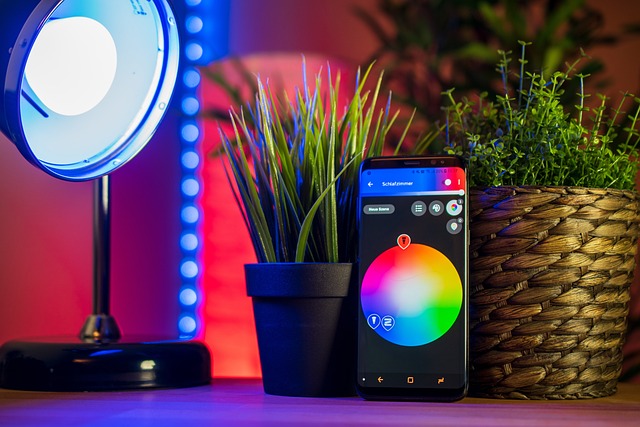
Are IKEA Smart Light Bulbs Truly Redefining Intelligent Illumination
Sony’s Last Standalone Bravia TVs Have Arrived
Sony’s final generation of standalone Bravia TVs marks a culmination of decades of engineering refinement in display technology. These models represent the peak of Sony consumer electronics’ visual craftsmanship, combining advanced panel architectures, cognitive processing, and seamless integration with the brand’s wider ecosystem. The company has pushed its proprietary processing and display materials to their limits, achieving exceptional brightness, contrast, and color accuracy. This release not only defines the end of an era for standalone Bravia sets but also signals a strategic pivot toward more integrated, AI-driven display ecosystems.
The Evolution of Sony’s Display Technology
Sony’s long trajectory in television innovation has been defined by its pursuit of realism and precision. The Bravia name itself has become synonymous with cinematic fidelity, evolving alongside major shifts in display science.
Tracing the Development of Bravia Displays
Sony introduced the Bravia line in the mid-2000s as a successor to its WEGA series, focusing on high-definition LCD technology. Over time, the company transitioned from CCFL backlighting to LED-lit LCDs, which improved energy efficiency and contrast control. Later generations embraced OLED panels that offered perfect blacks and faster response times. More recently, Mini LED technology has entered the lineup, providing fine-grained local dimming with higher peak brightness suited for HDR content. Proprietary image processors—starting from X-Reality Pro to today’s XR Cognitive Processor—have consistently elevated motion clarity and texture reproduction.
Key Innovations Driving Display Performance
The XR Cognitive Processor remains central to Sony’s current performance edge. It analyzes each frame in real time, dividing the screen into focal zones that mimic how human eyes prioritize visual information. AI-based scene recognition further refines this process by adjusting tone mapping and contrast dynamically depending on content type—sports, cinema, or gaming. Motion handling has also advanced through XR Motion Clarity technology, which reduces blur without sacrificing luminance. Precision color calibration ensures that out-of-box performance closely matches professional studio monitors.
Engineering Excellence Behind the New Bravia TVs
The new Bravia series reflects not only software sophistication but also deep mechanical engineering expertise. Every component—from chassis materials to heat management—has been optimized for longevity and consistency under high luminance output.
Hardware Architecture and Panel Design
Structural refinements have allowed thinner bezels without compromising rigidity. The panels employ composite aluminum alloys that dissipate heat efficiently while maintaining structural integrity under prolonged use at high brightness levels. Anti-reflective coatings minimize ambient glare, improving perceived contrast even in bright rooms. Local dimming algorithms now manage thousands of individual lighting zones with precision timing control, enabling near-OLED black levels on Mini LED models.
Software Ecosystem and System Optimization
Sony integrates Google TV OS across its lineup while overlaying its proprietary interface for smoother navigation between media sources and streaming services. Regular firmware updates extend device lifespan by refining algorithmic performance and patching security vulnerabilities over time. Within the broader Sony ecosystem—spanning PlayStation consoles and audio products—cross-device synchronization allows unified control through HDMI 2.1 features and shared user profiles.
Redefining Visual Experience Through Processing Power
Processing power defines modern display quality as much as panel hardware does. Sony’s approach merges computational imaging with perceptual psychology to replicate how humans perceive depth and color nuance.
Cognitive Intelligence in Image Rendering
Cognitive processing maps areas of interest on-screen based on spatial awareness models derived from human vision research. This results in selective enhancement where viewers naturally focus—faces or key objects—while preserving background realism. Dynamic tone mapping adapts HDR rendering according to ambient light sensors, maintaining consistent brightness perception regardless of viewing environment.
Color Science and Calibration Techniques
TRILUMINOS Pro technology expands color gamut coverage beyond standard Rec.709 into near-P3 territory, producing richer reds and deeper blues without oversaturation. Each unit undergoes factory-level calibration using professional-grade spectrophotometers to achieve Delta E values below perceptible thresholds for human eyes. Compatibility with Dolby Vision, HDR10, and HLG ensures accurate playback across all major content standards used by broadcasters and streaming platforms.
Integration with the Broader Sony Consumer Electronics Ecosystem
Bravia televisions no longer operate as isolated devices but as intelligent nodes within Sony consumer electronics’ expanding ecosystem.
Interconnectivity Across Devices
The synergy between Bravia TVs, PlayStation 5 consoles, and premium audio systems like HT-A9 or HT-A7000 creates a cohesive multimedia experience. Features such as Auto HDR Tone Mapping optimize console output directly through HDMI 2.1 communication channels. Low-latency modes combined with Variable Refresh Rate (VRR) support deliver smooth gameplay free from tearing or input lag—a critical factor for competitive gaming audiences.
Smart Home Compatibility and User Interaction Design
Voice assistants such as Google Assistant and Amazon Alexa are deeply integrated into system operations for hands-free navigation or home automation commands. Ambient light sensors adjust brightness automatically to conserve power while maintaining comfortable viewing conditions throughout the day. Looking forward, these televisions are expected to play larger roles within IoT-enabled smart homes through expanded connectivity protocols like Matter or Thread.
Market Positioning and Strategic Implications for Sony Consumer Electronics
Sony’s display division faces fierce competition from brands investing heavily in OLED and QD-OLED technologies, yet it continues to differentiate through processing intelligence rather than raw panel supply alone.
Competitive Landscape Analysis in Premium Display Markets
While LG dominates OLED manufacturing capacity and Samsung pushes QD-OLED hybrids emphasizing quantum-dot purity, Sony positions itself at a midpoint emphasizing perceptual image quality over laboratory metrics. Its pricing strategy typically commands a premium justified by superior processing pipelines and build craftsmanship rather than panel novelty alone—a stance that reinforces brand equity among discerning professionals.
Future Directions for Sony’s Display Innovation Strategy
Future roadmaps hint at microLED exploration due to its scalability advantages in modular design and absence of organic material degradation common to OLEDs. Additionally, AI-driven personalization could analyze viewer habits to adjust picture settings automatically per content genre or individual preference patterns. Sustainability will also shape upcoming designs through recyclable materials and reduced rare-earth dependency—aligning with global environmental directives established by ISO 14001 frameworks.
FAQ
Q1: What distinguishes Sony’s XR Cognitive Processor from conventional image processors?
A: It simulates human visual perception by analyzing focal points across multiple dimensions simultaneously rather than applying uniform frame-wide adjustments.
Q2: Are the latest Bravia TVs suitable for professional color grading work?
A: While not replacements for reference monitors, their calibrated accuracy approaches professional standards thanks to TRILUMINOS Pro technology and factory tuning.
Q3: How do firmware updates affect long-term performance?
A: Updates refine internal algorithms for motion clarity or HDR tone mapping while maintaining cybersecurity compliance over product lifespan.
Q4: Does Mini LED outperform OLED in all scenarios?
A: Not entirely; Mini LED achieves higher brightness but lacks OLED’s pixel-level emissive control for absolute black reproduction.
Q5: Will future Sony displays integrate microLED technology?
A: Yes, ongoing research suggests eventual adoption due to microLED’s superior efficiency, modularity potential, and durability compared with existing panel types.