Is Nest Thermostat 4th Generation Redefining Smart Climate Control for 2026
The Best Smart Thermostats We’ve Tested for 2026
The nest thermostat 4th generation stands out as the most advanced smart climate controller tested in 2026. It surpasses competitors through deeper AI integration, refined sensing accuracy, and superior cross-platform compatibility. While several brands have evolved toward energy automation, Nest’s balance between user control, predictive intelligence, and sustainability metrics positions it as the benchmark for expert-grade home climate systems.
The Evolution of Nest Thermostat Technology
The story of smart thermostats reflects a broader shift toward data-driven environmental control. Early designs focused on convenience, but each generation has introduced more intelligence and precision.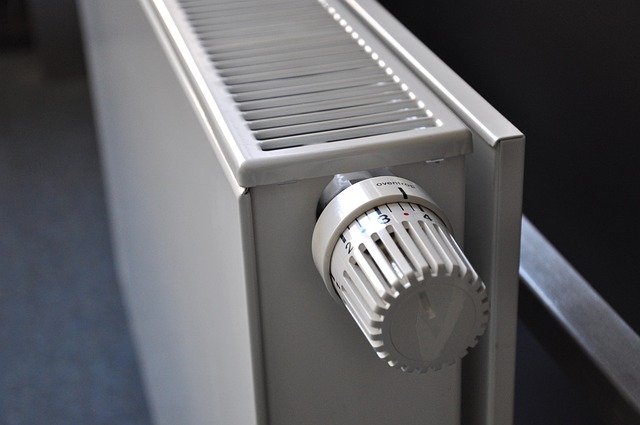
A Brief Overview of Smart Thermostat Development
The first wave of smart thermostats brought adaptive scheduling and remote access through Wi-Fi connections. These devices learned user preferences gradually, allowing homeowners to adjust settings from anywhere via mobile apps. As voice assistants became mainstream, integration with platforms like Google Assistant and Alexa became standard. The latest innovations now involve AI-driven pattern recognition and advanced sensor arrays that track occupancy and ambient conditions to fine-tune comfort levels automatically.
How the 4th Generation Differs from Previous Models
Nest’s 4th generation introduces faster processors and improved power management circuits that reduce latency during adjustments. Its machine learning algorithms predict temperature needs more accurately than earlier models by analyzing micro-patterns in user behavior. Hardware refinements also expand compatibility with complex HVAC systems, including multi-zone configurations often found in commercial buildings. The device’s sleek design complements its enhanced performance, making it both functional and aesthetically modern.
Core Innovations in the Nest Thermostat 4th Generation
The latest Nest release represents a leap from reactive control to proactive environmental management. Its embedded intelligence continuously learns from real-world conditions rather than relying solely on preset schedules.
Advanced Sensing and Adaptive Intelligence
Multiple onboard sensors detect motion, humidity, and light intensity to determine whether a room is occupied or idle. This data feeds into predictive algorithms that adjust heating or cooling cycles dynamically to reduce energy waste without compromising comfort. By pulling live weather data from cloud sources, the thermostat anticipates external temperature swings before they affect indoor conditions—an approach that mirrors predictive maintenance strategies used in industrial automation.
Upgraded Connectivity and Ecosystem Integration
Connectivity improvements are central to the 4th generation’s appeal. Support for the Matter protocol allows it to communicate across different smart home ecosystems without proprietary barriers. Enhanced Wi-Fi stability minimizes dropouts during firmware updates or app synchronization. Bluetooth Low Energy support ensures quick pairing with sensors or auxiliary devices like air quality monitors. Compatibility extends across Google Home, Amazon Alexa, and Apple HomeKit environments, giving users flexibility regardless of platform preference.
User Experience and Interface Design Enhancements
A thermostat’s intelligence is only as good as its usability. The Nest team has reworked both hardware controls and digital interfaces to deliver precision without complexity.
Refined User Interface for Precision Control
The redesigned interface features sharper graphics and smoother touch response for precise manual adjustments. Experts can configure dashboards showing temperature gradients, humidity trends, or HVAC runtime efficiency simultaneously—a valuable tool for building engineers managing multiple zones. Subtle haptic feedback enhances tactile interaction while gesture-based shortcuts allow quick access to key functions such as eco mode activation or schedule override.
Mobile App Synchronization and Remote Management
Real-time synchronization between thermostat settings and mobile apps ensures immediate reflection of any changes made remotely. Users receive alerts if system anomalies occur—like unusual compressor cycles—allowing early maintenance intervention. Cloud-based storage archives historical performance data so analysts can identify seasonal inefficiencies or compare year-over-year energy performance metrics across properties.
Energy Efficiency and Sustainability Impact
Energy optimization remains a defining goal for every new Nest iteration. With global focus shifting toward carbon reduction targets set by agencies like the IEA, data-backed efficiency is no longer optional—it’s expected.
Intelligent Energy Optimization Features
Machine learning models calculate optimal heating or cooling intervals based on occupancy predictions rather than fixed schedules. During peak demand periods, integration with utility demand-response programs allows automatic participation in grid-balancing events without manual input. Eco-modes activate when spaces remain unoccupied beyond defined thresholds, balancing comfort with measurable sustainability outcomes.
Quantifying Environmental Benefits Through Data Analytics
Detailed energy reports break down consumption by hour or day, revealing behavioral patterns that influence costs. Comparative analytics show how the nest thermostat 4th generation performs against prior models under identical conditions—a transparency feature valued by facility managers seeking ROI justification for upgrades. Aggregated data also supports broader sustainable building strategies aligned with ISO 50001 energy management frameworks.
Security, Privacy, and Data Governance Considerations
As connected devices multiply within homes and offices, robust cybersecurity becomes non-negotiable for maintaining trust among professional users.
Protecting User Data in Connected Environments
All communications between devices and servers employ end-to-end encryption using industry-standard TLS protocols recommended by IEEE guidelines. Localized processing handles sensitive sensor data directly within the device whenever possible to reduce exposure risks associated with cloud transmission. Transparent privacy policies clarify how anonymized analytics contribute to system improvement while respecting regulatory frameworks such as GDPR.
Managing Firmware Updates and System Integrity
Over-the-air updates deliver patches seamlessly without interrupting climate control operations—a key reliability factor in mission-critical environments like laboratories or data centers. Continuous monitoring routines identify irregular network behavior early to prevent unauthorized access attempts before they escalate into breaches.
Market Positioning Among 2026 Smart Thermostats
Competition within the 2026 smart thermostat market is fierce but increasingly defined by software sophistication rather than hardware aesthetics alone.
Competitive Landscape Analysis for 2026 Models
Against rivals like Ecobee Smart Thermostat Premium and Honeywell Home T10 Pro Smart Thermostat, Nest differentiates itself through self-learning adaptability instead of static scheduling logic. While others emphasize sensor expansion or voice assistant integration, Nest focuses on predictive modeling accuracy backed by Google’s AI research heritage. Pricing remains competitive given its extended ecosystem support that appeals equally to residential users and commercial integrators.
Expert Perspectives on Future Smart Climate Control Trends
Industry analysts foresee deeper convergence between energy management systems and holistic home automation networks by 2030. Predictive analytics will move toward near-autonomous regulation where human input becomes minimal except during system commissioning phases. Regulatory incentives promoting efficient load balancing are likely to accelerate innovation trajectories among manufacturers developing next-generation thermostats beyond the current Nest platform.
FAQ
Q1: What makes the nest thermostat 4th generation different from previous versions?
A: It integrates improved AI algorithms, enhanced sensing capabilities, faster processors, and expanded compatibility across major smart home ecosystems.
Q2: Does it support cross-platform communication?
A: Yes, it supports Matter protocol along with Wi-Fi and Bluetooth LE connectivity for seamless integration across brands.
Q3: How does it contribute to sustainability goals?
A: By using predictive learning models that minimize unnecessary heating or cooling cycles while participating in demand-response programs that aid grid stability.
Q4: Is user data secure with this model?
A: Communications are encrypted end-to-end with local processing minimizing cloud exposure risks; firmware updates maintain ongoing protection against vulnerabilities.
Q5: How does it compare with other premium thermostats in 2026?
A: It outperforms competitors through adaptive intelligence rather than static scheduling logic while maintaining competitive pricing relative to its advanced feature set.