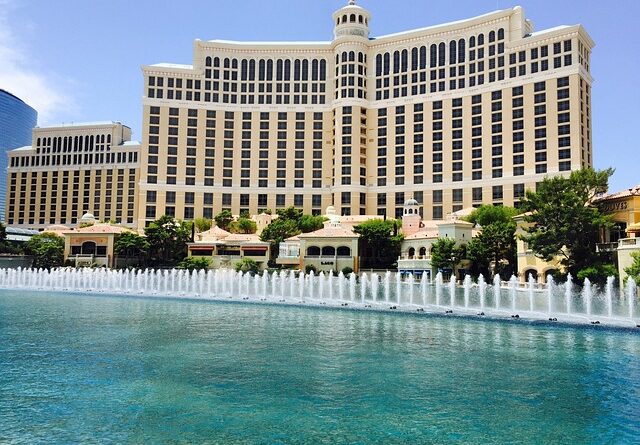
Is Vegas CES 2023 Reviving Global Tourism Amid Economic Slowdown
CES Kicks Off in Las Vegas, Bringing Thousands of Visitors During Tourism Slump
CES 2023 signaled more than just a return of technology’s biggest showcase—it marked a turning point for Las Vegas and the global events industry. After years of pandemic-related cancellations and hybrid formats, the world’s largest tech trade show once again filled convention halls, hotel lobbies, and restaurants across the city. The surge in attendance underscored how business travel and event tourism can stimulate local economies even amid global slowdowns. For Las Vegas, vegas ces 2023 became both a symbol of resilience and a test case for how large-scale conventions can thrive in a changed economic landscape.
The Return of CES 2023 to Las Vegas
The comeback of CES represented more than an annual gathering; it was a signal that global technology exhibitions remain vital to innovation ecosystems. This section examines why CES continues to hold such influence and how its return shaped perceptions of recovery.
Overview of CES as a Global Technology Event
CES has long stood as a barometer for the technology industry’s direction. The 2023 edition reaffirmed its role as one of the world’s largest technology trade shows, attracting companies from over 150 countries. Major brands showcased advancements in automotive tech, digital health, robotics, and sustainable energy solutions. Investors and media outlets used the event to gauge emerging trends, while startups sought visibility among decision-makers. The scale of participation also indicated renewed confidence in international business travel—a key metric after years of uncertainty.
Las Vegas as the Host City for Major Global Events
Las Vegas has consistently positioned itself as a global hub for conventions and exhibitions. Its integrated infrastructure—spanning expansive hotels, entertainment venues, and efficient logistics—enables it to host events like CES with precision. The city benefits from decades of experience managing high visitor volumes, ensuring seamless coordination between hospitality providers and event organizers. CES not only reinforces Las Vegas’s standing as an international meeting point but also diversifies its economy beyond gaming and leisure tourism.
Economic Context: Tourism Amid Global Slowdown
While CES returned with strong attendance, it did so against a complex economic backdrop. Inflationary pressures, fluctuating currencies, and shifting corporate budgets reshaped travel decisions worldwide.
The Impact of Macroeconomic Conditions on Tourism Recovery
Global tourism recovery remains uneven due to macroeconomic headwinds. Rising energy costs have increased flight prices, while inflation affects consumer spending power across markets. Corporations continue to evaluate travel expenses carefully, balancing cost control with the need for face-to-face engagement at major events. Despite these constraints, destination cities like Las Vegas rely on conventions such as vegas ces 2023 to inject momentum into local economies through hotel stays, dining, and entertainment revenue.
Shifts in Traveler Behavior Post-Pandemic
Traveler expectations have changed significantly since 2020. Hybrid work models allow professionals to extend business trips into leisure stays—a phenomenon often called “bleisure.” Safety protocols remain top priorities, influencing choices around accommodation and transportation. Moreover, the hospitality sector has accelerated adoption of contactless check-ins and digital concierge services to enhance convenience and reduce friction points during travel.
CES 2023 as a Catalyst for Tourism Revival
The numbers behind CES week reveal its broader economic footprint on Las Vegas’s post-pandemic recovery trajectory.
Visitor Influx and Hotel Occupancy Trends During CES Week
During CES week, tens of thousands arrived from across continents—engineers from Seoul sharing cabs with journalists from Berlin or investors from San Francisco waiting in packed hotel lobbies. Hotel occupancy surged well above average seasonal rates; several properties reported near-full capacity throughout the event period. Higher demand allowed hotels to apply premium pricing strategies that lifted overall revenue per available room (RevPAR), offering a much-needed boost after years of subdued performance.
Business Travel and Networking Opportunities Driving Economic Activity
Beyond direct tourism metrics, CES drives substantial ancillary spending across multiple sectors. Corporate delegations host private dinners or sponsor side events at luxury venues. Ride-sharing activity spikes around convention hours. Local restaurants experience full bookings days in advance. These ripple effects extend into supply chains—from catering services to audiovisual technicians—creating temporary employment opportunities that sustain local income streams even after attendees depart.
Technology Exhibitions as Economic Multipliers for Host Cities
The influence of trade shows like CES extends beyond immediate visitor spending; they create enduring economic linkages that shape regional development strategies.
How Trade Shows Stimulate Local Economies Beyond Tourism
Large-scale exhibitions generate demand for logistics providers, security staff, translators, and marketing agencies—each contributing incremental value to the city’s service ecosystem. Media exposure during such events also enhances global visibility; millions watch product launches streamed live from Las Vegas stages. Over time, these moments strengthen perceptions of the city as an innovation-driven destination rather than solely an entertainment hotspot.
Comparative Insights from Other Global Tech Events
Patterns observed at other major exhibitions reinforce this multiplier effect. Barcelona’s Mobile World Congress revitalized its urban economy after similar pandemic disruptions by combining physical attendance with digital access options. Berlin’s IFA continues to attract consumer electronics giants despite European market volatility. These examples illustrate how coordinated efforts between public authorities and private organizers can sustain long-term benefits beyond short-term tourism spikes.
Strategic Implications for the Future of Global Events in Las Vegas
As global uncertainties persist—from supply chain shifts to climate considerations—Las Vegas faces both opportunity and responsibility in redefining its approach to large-scale gatherings.
Reinventing Convention Tourism Through Innovation and Sustainability
Hybrid participation models now allow remote audiences to engage without physical presence while maintaining sponsorship value for exhibitors. Organizers are integrating sustainability goals by reducing waste generation through reusable booth materials or renewable energy sourcing within convention centers. Data analytics tools further help predict attendee flows, optimize scheduling efficiency, and personalize visitor experiences—turning operational insights into competitive advantages for future editions.
Positioning Las Vegas as a Resilient Destination in a Volatile Economy
To maintain leadership amid volatility, Las Vegas is diversifying its identity beyond entertainment toward technology collaboration zones and innovation corridors around its convention district. Continuous investment in transport infrastructure—including airport expansion projects—ensures readiness for future mega-events regardless of external shocks. Marketing campaigns now emphasize adaptability: portraying Las Vegas not just as a place for spectacle but also as a resilient ecosystem capable of hosting transformative global conversations like vegas ces 2023.
FAQ
Q1: Why was CES 2023 significant for Las Vegas?
A: It marked the return of full-scale international conventions after pandemic restrictions, boosting hotel occupancy rates and reaffirming Las Vegas’s role as a premier event destination.
Q2: How did economic conditions affect attendance?
A: Inflation and cautious corporate budgeting moderated some participation levels but did not prevent strong turnout thanks to pent-up demand for networking opportunities.
Q3: What industries benefited most during CES week?
A: Hospitality, transportation, dining, entertainment services, event logistics providers—all saw measurable revenue increases tied directly to visitor influxes.
Q4: Are hybrid event models here to stay?
A: Yes. Hybrid formats expand reach while offering flexibility against travel disruptions or budget constraints common in volatile markets.
Q5: How does hosting tech exhibitions support long-term growth?
A: Beyond immediate spending boosts, they enhance global visibility, attract repeat investments from exhibitors or partners, and strengthen local innovation ecosystems over time.