Are Garmin R10 Reviews Still Positive for Home Golfers in 2026?
Is the Garmin R10 Still Worth Buying in 2026?
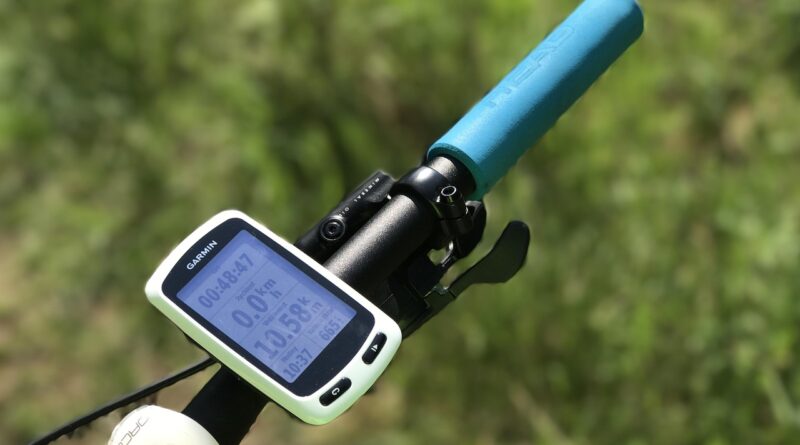
If you are reading garmin r10 reviews because you want a launch monitor for a garage, backyard net, or driving range, the short answer is still yes for the right player. The Garmin Approach R10 is not a tour-level fitting unit. It is a small radar launch monitor made for practice, basic shot data, swing video, and simulator play at a much lower price than professional systems. For more golf tech guides, you can also browse our Reviews section.
Garmin introduced the Approach R10 with a suggested retail price of $599.99, according to its official newsroom announcement dated July 2021. Since then, the unit has stayed in the conversation because it gives golfers a wide data set, app practice tools, and Home Tee Hero simulator play in a device that fits in a golf bag pocket. That is still its main selling point in 2026.
The Short Verdict for Most Golfers
The Garmin R10 is best treated as a personal practice monitor, not as a replacement for TrackMan, Foresight, or a full club-fitting studio. If you want carry distance, ball speed, club speed, launch angle, and shot patterns, it gives you useful feedback for normal practice. If you need exact face angle, exact path, and clean spin data on every indoor shot, the limits will show up.
The Best Fit for Home Practice
The R10 makes the most sense when you can hit real balls into a net and leave enough room behind the ball and in front of it. A basic setup with a mat, net, safe ceiling height, and a phone or tablet can turn into a workable practice bay. It is also small enough to take to the range, but range balls can make distance numbers less dependable.
The Main Reason to Pause
Accuracy depends a lot on setup, and that is where many buyers run into trouble. A device that sits a few degrees off target can make a straight shot look pushed or pulled. A garage with metal shelves, concrete floors, and very short ball flight can also create odd reads. A garage wall is not a launch bay, even if it feels close when you first set it up.
How Accurate Is the Garmin R10 for Real Practice?
The fairest way to look at the Garmin R10 is this: it is good enough for tracking practice patterns, but it is not the right tool for detailed swing diagnosis. Official Garmin support pages list radar-based accuracy targets such as plus or minus 5 yards for carry distance, plus or minus 1 mph for ball speed, and plus or minus 1 degree for launch angle. Those numbers come from Garmin, so they should be read as manufacturer claims, not independent lab results.
Carry Distance and Ball Speed Are the Strongest Data
In normal use, the most useful numbers are usually carry distance, ball speed, club head speed, launch angle, and smash factor. Golf Monthly, in a review last updated August 9, 2022, reported that carry distances matched its on-course Arccos data when proper golf balls were used. It also said ball speed and clubhead speed were close to TrackMan numbers, which is helpful for players checking stock yardages.
Face, Path, and Spin Need Careful Reading
Do not treat every club path or face reading as final truth. Golf Insider tested the R10 against TrackMan 4 and found useful distance data, but it also found average errors in face angle, club path, and face-to-path data of around 1.5 to 4 degrees across the tested clubs. Its view was fair: the R10 helps with distance control and speed work, but it is not the best choice for a low-handicap player trying to fix a slice through small face-to-path changes.
RCT Balls Help Indoor Spin and Carry
Garmin announced Titleist Pro V1 and Pro V1x RCT ball support on September 8, 2022. Garmin said Radar Capture Technology balls could improve spin-rate readings by up to 30 times and improve carry-distance accuracy by up to 50 percent indoors. That is still a manufacturer claim, but the reason makes sense because radar units often have a harder time reading spin indoors when they see less ball flight.
What Setup Does the Garmin R10 Need Indoors?
Setup is where many good and bad Garmin R10 reviews start. The unit uses radar, so it needs space to read club and ball movement. If you put it in a room that only just fits a net, the data can jump around. Before buying, measure the room with a tape measure rather than guessing from the doorway.
Six to Eight Feet Behind the Ball
The Garmin owner’s manual says the launch monitor should sit on the ground 6 to 8 feet behind the tee location. The red alignment line must point at the ball and the target. That line is not just a visual guide. If the R10 is aimed left, the app may show the ball starting right even when the real shot is straight.
At Least Eight Feet of Ball Flight
Garmin’s manual also says the tee location must be at least 8 feet from the net for indoor play. Golf Insider reported that it needed more space in its own studio test and saw better results with at least 12 feet of ball flight. That does not mean every player needs 12 feet, but it does explain why tight rooms are more likely to give uneven reads.
Alignment Matters More Than You Think
Use a club or alignment stick on the ground between the R10 and the ball. Keep the unit level with the hitting surface. Garmin’s manual warns that if the device is misaligned by several degrees, swing metrics can be off by several degrees too. That point alone explains many complaint threads better than a long online argument.
What Data and App Features Do You Actually Get?
The R10 feels bigger than its physical size because most of the experience runs through the Garmin Golf app and Home Tee Hero app. You are not working from a small device screen. You are checking shot charts, numbers, club averages, swing video, and virtual course play on a phone or tablet.
Core Shot Metrics After Each Swing
Garmin’s newsroom materials describe more than a dozen real-time metrics, including club head speed, ball speed, swing tempo, ball spin, and launch angle. Plugged In Golf’s review, last updated January 3, 2025, listed the wider data set as club head speed, club face angle, club path angle, angle of attack, ball speed, launch angle, launch direction, spin axis, spin rate, apex height, smash factor, carry distance, total distance, and offline distance.
Swing Capture for Fast Video Feedback
The Garmin owner’s manual describes Swing Capture, which uses your paired smartphone camera to record swings during Driving Range sessions and connect those clips to shot metrics. This is one of the more useful features for steady practice because the video and numbers sit together. You can check, for example, whether a low-launch 7-iron came from ball position, strike quality, or a swing move that keeps showing up.
Home Tee Hero and Third-Party Simulator Options
With a Garmin Golf subscription, Home Tee Hero gives access to over 43,000 virtual courses, according to the current Garmin owner’s manual. Garmin also lists simulator compatibility with options such as E6 Connect, Awesome Golf, GSPro, and other third-party platforms. Those platforms may need their own purchases or subscriptions, so check current software costs before you plan a full simulator build. See also: Gadgets.
How Does the Garmin R10 Compare With Pricier Launch Monitors?
The R10 competes on value, not on pure measurement strength. A higher-end camera-based or radar-based system can cost several times more, and some professional setups go much higher. MyGolfSpy’s 2026 R10 review summary said it plainly: the R10 should not be expected to match a $25,000 launch monitor. That is not a knock on the product. It is the right buying context.
A Budget Device With Big Data Ambition
The R10 tries to give regular players data categories that used to belong to expensive launch monitor setups. That is why people like it, but it also leads to the wrong expectations. The numbers are good enough to guide many practice sessions, especially when you compare trends over time instead of judging one single shot.
Not a Club Fitting Replacement
If you are choosing between two driver shafts, setting wedge gapping for tournament play, or paying for lessons based on face-to-path numbers, a higher-end launch monitor is the safer option. Golf Insider’s TrackMan comparison supports that careful view, especially for lateral error and club delivery details. Good coaching decisions need clean data, and that is where professional tools still have the edge.
Strong Value if You Accept the Limits
The value case is not hard to understand. You get a portable launch monitor, a wide metric list, video capture, app storage, virtual range work, and simulator access. If your goal is to practice more often and learn your yardages, that is a lot for the price. If your goal is perfect spin axis indoors with short chips, it will probably not be enough.
Who Should Buy the Garmin R10 and Who Should Skip It?
The right buyer is not always the lowest-handicap golfer. It is the golfer whose room, expectations, and practice habits fit the product. Buying tech for the player you hope to become can get expensive fast. Buy for the sessions you will actually do after work on a Tuesday night.
Good Buyers for the R10
The Garmin R10 is a strong fit if your main goal is regular practice without paying for a high-end launch monitor. It works best for golfers who can live with the limits and still use the feedback to build better habits.
- Want a portable launch monitor for home net practice and range sessions.
- Care most about carry distance, ball speed, club speed, launch, and shot patterns.
- Have enough indoor room for 6 to 8 feet behind the ball and at least 8 feet to the net.
- Like app-based practice, video feedback, and simulator play.
- Prefer a lower-cost device instead of a multi-thousand-dollar launch monitor.
Buyers Who May Need More
You may want a different launch monitor if you mainly practice in a very short indoor space, hit many short chips, need advanced fitting-grade club data, or cannot accept occasional odd reads. Photometric units can work better in tight indoor rooms because they sit beside the ball instead of several feet behind it. That layout can be easier for golfers who do not have enough depth for radar.
Practical Buying Advice Before Checkout
Measure your space first. Budget for a good mat, a safe net, side protection if needed, and maybe RCT balls for indoor sessions. Check current Garmin Golf membership pricing and any third-party simulator fees as well. The monitor price is only one part of a home golf setup.
FAQ
Q1: Is the Garmin R10 Accurate Enough for Beginners? A: Yes, for most beginners and mid-handicap golfers. It is especially useful for carry distance, ball speed, launch angle, and general shot pattern practice. It is less suited for exact club delivery work.
Q2: Does the Garmin R10 Work Indoors? A: Yes, but space matters. Garmin says the unit should sit 6 to 8 feet behind the tee, and the ball should be at least 8 feet from the net indoors. More ball flight can help.
Q3: Do You Need a Subscription for the Garmin R10? A: Basic driving range features work through the Garmin Golf app, but Home Tee Hero virtual courses and some premium features require a Garmin Golf membership. Third-party simulator apps may charge separately.
Q4: Are RCT Balls Worth It With the Garmin R10? A: They can be worth it indoors. Garmin says Titleist RCT balls can improve spin-rate and carry-distance accuracy on the R10. They are less important outdoors, where the radar can see more ball flight.
Q5: Should You Buy the Garmin R10 in 2026? A: Buy it if you want affordable practice data, simulator play, and a portable setup. Skip it if you need professional fitting accuracy or have a cramped indoor room with poor radar conditions.