Smart home technology in 2026 is moving from gadgets to systems
What changed in the smart home market
In 2026, smart home technology is being judged less by the number of connected gadgets in a house and more by whether those products operate as a dependable system. For anyone planning a home smart setup, the question is no longer simply whether a light bulb, camera or thermostat can connect to an app. The more useful test is whether devices can work across platforms, receive security updates, fit the home network and deliver value in daily routines. Industry developments point in the same direction. The Connectivity Standards Alliance released Matter 1.6 on June 17, 2026, and Parks Associates reported in its Q1 2026 Tech Ecosystem Dashboard that U.S. internet households now average 17.8 connected devices. At that scale, smart home choices start to look like infrastructure planning rather than casual accessory shopping.
That shift affects homeowners, renters, installers, device makers and retailers. A single smart speaker or smart plug can still be useful, but larger homes need a more deliberate approach to connectivity, privacy, automation and lifecycle support. Readers following the broader Smart Home category will see the same pattern across lighting, security, HVAC, appliances and energy management.
The shift from devices to coordinated systems
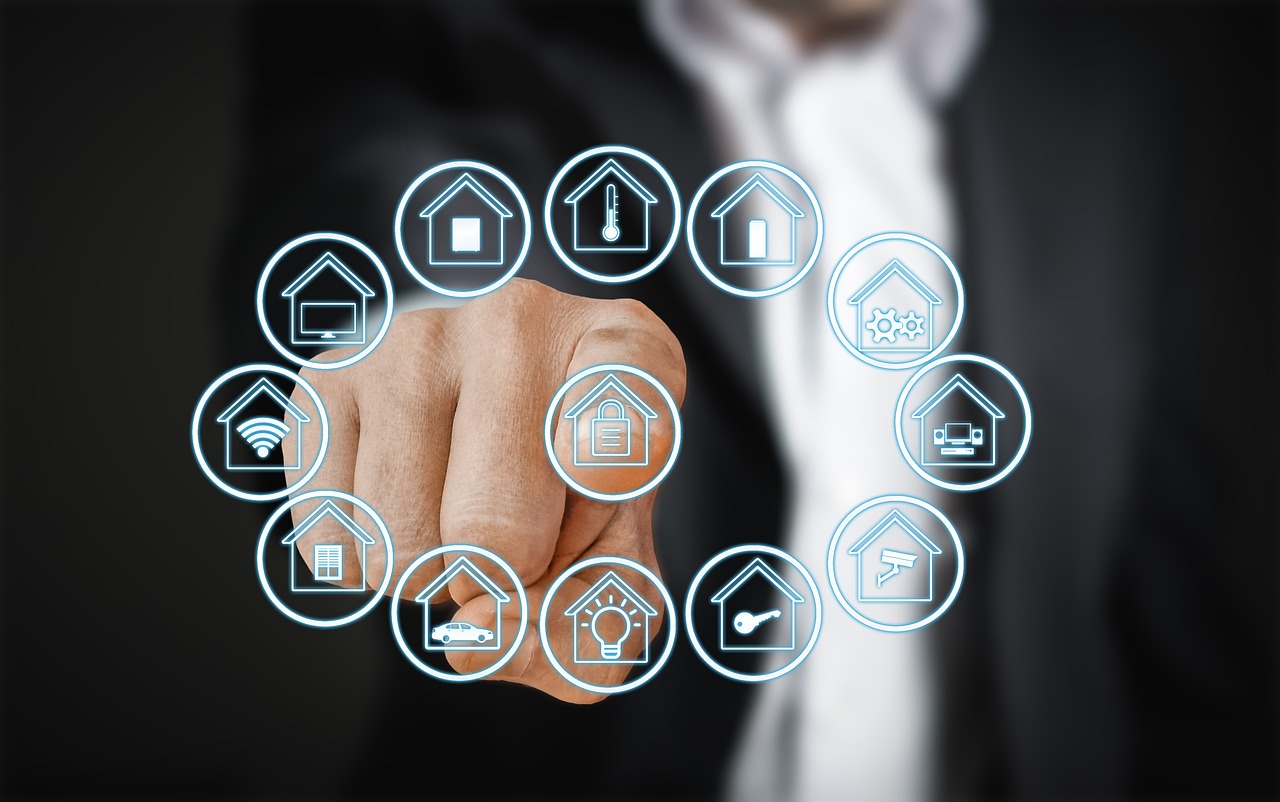
Early smart home adoption was often driven by simple device-level convenience: switch on a lamp by voice, check a doorbell camera or adjust a thermostat from a phone. Those functions still matter, but they do not solve the larger issue many households now face. As the number of connected products grows, the experience depends on how well the whole environment is coordinated.
Parks Associates has described the connected home as entering a replacement and upgrade era rather than a pure first-time adoption phase. Its Q1 2026 research said U.S. internet households average 17.8 connected devices, and that growth is increasingly linked to replacement cycles, selective add-ons, better bundles, AI-enabled experiences, security, energy savings and easier whole-home control. For the market, the point is clear: mature smart homes are not judged by device count, but by whether those devices reduce friction.
A smart home plan should therefore begin with use cases, not product categories. A family may want safer entry, lower HVAC costs, better lighting routines, leak alerts, remote access for a caregiver or simpler control across iOS and Android phones. Each goal points to a different architecture. A security-first system may prioritize door locks, cameras, sensors, local alerts and cybersecurity labeling. An energy-first system may start with an ENERGY STAR certified smart thermostat, smart plugs with energy monitoring, compatible EV charging and tariff-aware automation where available.
Standards are changing the purchase decision
The main standards story remains Matter, the smart home interoperability standard developed through the Connectivity Standards Alliance. Matter is designed to help certified devices work across participating ecosystems and reduce dependence on one vendor’s closed app environment. That does not mean every feature works identically in every platform, but it does make compatibility easier to evaluate than it was during the period when products were fragmented by separate ecosystems.
Matter has also become more practical over time. On August 11, 2025, the Alliance released Matter 1.4.2 with security, certification and infrastructure improvements, including support for Wi-Fi-only commissioning and stronger requirements for network infrastructure managers such as routers and access points. On November 20, 2025, Matter 1.5 added support for cameras, closures such as shades and garage doors, soil sensors and expanded energy management capabilities. On June 17, 2026, Matter 1.6 focused on setup, multi-ecosystem control and contextual device behavior rather than adding a large list of new device categories.
| Standard or program | What it affects | Why it matters for buyers |
|---|---|---|
| Matter | Device interoperability across participating smart home ecosystems | Helps reduce platform lock-in, although feature support still varies by brand and controller |
| Thread | Low-power mesh networking for many sensors, locks, switches and small devices | Can improve responsiveness and reliability when enough compatible border routers and devices are present |
| Wi-Fi | High-bandwidth devices such as cameras, speakers, displays and appliances | Still essential, but crowded networks need good router capacity and placement |
| Zigbee and Z-Wave | Established hub-based ecosystems and many existing devices | Remain relevant for installed bases, but future purchases should be checked for long-term platform support |
| U.S. Cyber Trust Mark | Voluntary cybersecurity labeling for wireless consumer IoT products | Gives shoppers another signal for baseline security once labeled products are available in the market |
Thread deserves separate attention because it addresses a different layer of the problem. Matter defines how devices communicate at the application level, while Thread can provide a low-power mesh network for suitable devices. The Thread Group says Thread 1.4 is intended to make networks more user-friendly, interoperable and robust by improving how devices and Thread border routers recognize and trust each other. In practical terms, that can help a home avoid isolated Thread islands created by different manufacturers, although real-world results still depend on device firmware, border router support and platform implementation.
A practical architecture for a smarter home
A reliable smart home usually has four layers: the network, the controller, the device layer and the automation layer. Treating them separately helps avoid common design and purchasing mistakes.
The network layer
The network is the foundation. Wi-Fi remains necessary for bandwidth-heavy devices such as cameras, video doorbells, smart displays and many appliances. Thread is better suited to many low-power devices that benefit from mesh routing. Ethernet still matters for fixed equipment such as network backhaul, security recorders, hubs or access points. A household that adds dozens of devices to an old router may blame the products when the real issue is weak network capacity or poor coverage.
The controller layer
The controller is the system that manages devices, scenes, access and automations. This may be Apple Home, Google Home, Amazon Alexa, Samsung SmartThings, Home Assistant or another platform. Matter can make multi-platform control easier, but it does not eliminate the need to choose a primary management approach. Mixed-platform homes should confirm which controllers act as Matter hubs, which support Thread border router functions and which features are exposed for automation.
The device and automation layer
Devices should be selected by role. Sensors observe conditions, actuators perform actions, controllers coordinate behavior, and displays or voice assistants provide interfaces. Automations should remain easy to understand. A useful rule is to automate repetitive, low-risk actions first: lights at sunset, HVAC setback when away, leak alerts, fan behavior by humidity or entry lighting after a door unlocks. High-risk actions such as unlocking doors or disabling alarms require careful access control and testing.
Where smart devices create measurable value
Not every smart device produces the same kind of value. Some products mainly provide convenience, while others can support energy management, safety or accessibility. The strongest categories usually solve a recurring problem and remain useful after the novelty fades.
- Heating and cooling: ENERGY STAR says certified smart thermostats must demonstrate energy savings using real-world field data, and its public guidance states average savings are approximately 8% of heating and cooling bills, or about $50 per year. Results vary by climate, HVAC equipment, occupancy and user behavior.
- Security and awareness: Cameras, video doorbells, contact sensors, motion sensors and smart locks can improve visibility and notifications. They should be evaluated for update policies, storage options, access controls and privacy settings.
- Lighting and comfort: Smart switches, dimmers and bulbs can improve daily routines, especially when paired with occupancy, daylight or schedule-based controls. Switches are often better than bulbs for fixtures that should remain physically usable.
- Water and appliance protection: Leak sensors and shutoff valves can reduce damage risk, but placement and battery maintenance are critical. Smart appliances may be useful when they provide diagnostics, energy data or maintenance alerts, not merely app control.
- Energy coordination: Matter 1.5 expanded energy management features, including ways for devices to exchange standardized information about tariffs, pricing and grid-related data. This area is still dependent on utility, regional and product support, but it shows where the market is heading.
The practical takeaway is to prioritize devices that repeatedly save time, reduce risk, improve comfort or provide actionable information. A product that only adds another app without improving a routine may not justify the setup and maintenance burden.
Security and privacy now belong in the buying decision
Security is no longer a technical side issue. A smart lock, baby monitor, camera, thermostat or plug is part of a home’s digital attack surface. NIST published NISTIR 8425, Profile of the IoT Core Baseline for Consumer IoT Products, on September 20, 2022. It identifies cybersecurity capabilities commonly needed for consumer IoT products, including home and personal-use devices. The FCC then adopted a voluntary cybersecurity labeling program for wireless consumer IoT products on March 14, 2024, known as the U.S. Cyber Trust Mark. See also: Gadgets.
The FCC program is intended to help consumers identify products that meet baseline cybersecurity standards and includes a QR-code-based registry concept for product information. Because the program is voluntary, buyers should not treat the absence of a label as automatic proof of poor security. Even so, the direction matters. Smart home purchasing is moving toward more visible security signals, clearer software support expectations and stronger accountability for manufacturers.
A basic buying checklist should include:
- Does the product support multi-factor authentication for the account that controls it?
- Does the manufacturer state a software update or support period?
- Can users manage household access by person rather than sharing one password?
- Does the device still provide core functions if the cloud service is interrupted?
- Can cameras and microphones be disabled, limited or physically covered when appropriate?
- Is data storage local, cloud-based, subscription-based or a mix?
Privacy should be evaluated with the same seriousness as compatibility. Cameras, microphones, occupancy sensors and energy data can reveal sensitive patterns about daily life. That does not make smart devices automatically unsafe, but it does mean default settings deserve review.
Common limits that still matter in 2026
The smart home industry has improved, but several limitations remain. First, certification does not guarantee identical feature support across every ecosystem. A Matter-certified device may expose basic controls broadly while advanced functions still require the manufacturer’s app or a specific platform. This is especially relevant for cameras, appliances, energy functions and complex sensors.
Second, wireless performance is still physical. Thick walls, metal boxes, crowded 2.4 GHz spectrum, poor router placement and weak backhaul can affect even well-designed products. A stable smart home may require fewer devices, better access points, Ethernet backhaul or a more thoughtful mix of Wi-Fi and Thread rather than simply buying more accessories.
Third, subscriptions can change the economics. Some cameras, security systems and cloud-based services reserve storage, recognition features or extended history for paid plans. Before purchasing, users should compare the device price, required hub cost, subscription cost and expected support period.
Finally, automation should not remove human clarity. A home that behaves unpredictably is not smart in a useful sense. Good automation is visible, reversible and easy for other household members to understand. Labels on switches, simple room naming, documented routines and manual fallback controls are small details that often determine whether a system remains usable over time.
Frequently asked questions
Is Matter enough to guarantee that all smart home devices work together?
No. Matter improves interoperability among certified devices and participating ecosystems, but it does not guarantee that every advanced feature is available everywhere. Buyers should still check the exact device type, controller support, Thread or Wi-Fi requirements and automation features before purchasing.
Should a new smart home use Wi-Fi, Thread or Zigbee?
Most homes will use a mix. Wi-Fi is suitable for high-bandwidth devices such as cameras and displays. Thread is useful for many low-power sensors, locks and switches when a compatible border router is present. Zigbee can still be practical for existing hub-based systems, especially where a household already owns reliable devices.
What is the first smart home upgrade worth considering?
For many households, a smart thermostat, smart lighting controls or leak sensors provide clearer value than novelty gadgets. The right starting point depends on the problem being solved: comfort, energy, safety, accessibility or convenience.
Are smart homes secure enough for everyday use?
They can be, but security depends on product design and user habits. Choose reputable brands, enable multi-factor authentication, install updates, review sharing permissions and avoid keeping unused devices connected. Security labels and standards can help, but they do not replace basic account and network hygiene.
Will smart home technology keep getting more complicated?
The underlying technology may become more advanced, but the user experience should become simpler if standards, controllers and manufacturers continue to improve interoperability. The best direction for 2026 and beyond is not more apps, but fewer points of friction and more predictable whole-home behavior.