How to choose the best smart home devices for a reliable connected home
What makes a smart home device worth buying now
For most households, the best smart home devices are the ones that make daily routines easier without adding a fragile mix of apps, subscriptions and compatibility gaps. A practical setup usually starts with a trusted platform or hub, then adds lighting, plugs, thermostats, sensors, cameras, locks and appliances where they solve a real problem. In 2026, the buying decision should focus less on novelty and more on interoperability, local control, security updates, privacy settings and whether the device still works well when the internet connection drops.
Smart home adoption is no longer a niche trend. Parks Associates announced on March 21, 2024, that 45% of U.S. internet households owned at least one smart home device, and later research released in 2025 showed continued growth in connected appliances. That maturity changes the buyer’s question. Instead of asking which gadget looks most advanced, homeowners should ask which devices can form a stable system over several years.

For more connected-home coverage and buying context, visit our Smart Home section.
Start with the platform and network before buying devices
A reliable smart home begins with the control layer. That may be Apple Home, Google Home, Amazon Alexa, Samsung SmartThings, Home Assistant or another ecosystem. The right choice depends on the phones, speakers, displays and services already used in the home. Switching ecosystems later can be possible, especially with Matter-compatible devices, but it is still easier to choose a main platform before buying locks, cameras and sensors.
Matter is the main interoperability standard buyers should understand. It is maintained by the Connectivity Standards Alliance and is designed to help compatible smart home products work across major ecosystems. The standard has expanded over time. Matter 1.5, announced on November 20, 2025, added support for cameras and video doorbells. Matter 1.5.1, announced on March 31, 2026, refined camera, doorbell, chime and intercom behavior. Matter 1.6, announced on June 17, 2026, focused on setup improvements, multi-ecosystem sharing and better device-state communication rather than a large new wave of device categories.
That does not mean every Matter-labeled product delivers the same features in every app. The standard, the device firmware and the platform app all need to support the relevant function. A smart camera, for example, may support a feature in the manufacturer’s app before the same feature appears in a general smart home platform. Treat Matter as a strong compatibility signal, not as a guarantee that every advanced feature will be identical across ecosystems.
Wi-Fi, Thread, Zigbee and Z-Wave all still matter
Wi-Fi devices are easy to understand because they connect to the home router. However, filling a network with dozens of low-cost Wi-Fi bulbs, plugs and sensors can create congestion and maintenance issues. Thread is built for low-power smart home devices and can form a mesh network, but Thread devices need a Thread border router. Google’s own support documentation, for example, explains that Thread-based Matter devices require a compatible hub or border router, while Matter over Wi-Fi devices can have different hub requirements.
Zigbee and Z-Wave remain common in established smart home systems, especially for sensors, switches and locks. They usually require a compatible hub, but they can be very reliable when installed properly. The practical rule is simple: choose the protocol that your main platform supports well, and avoid mixing technologies without a clear reason.
Best smart home devices by category
There is no single device list that fits every home. A renter in a small apartment, a homeowner with an older HVAC system and a family managing cameras, door locks and energy use will have different priorities. The table below ranks common categories by typical usefulness and the buying criteria that matter most.
| Device category | Best for | Key buying criteria | Watch out for |
|---|---|---|---|
| Smart speaker or display | Voice control, routines and quick status checks | Platform fit, microphone controls, household profiles, Matter hub support | Voice privacy settings and overreliance on cloud features |
| Smart lights and switches | Convenience, schedules, safety lighting | Switch compatibility, neutral wire needs, dimmer support, local control | Using smart bulbs on wall switches that people turn off |
| Smart plugs | Lamps, fans, holiday lights and basic automation | Load rating, energy monitoring, compact size, automation support | Using plugs with heaters or appliances beyond rated capacity |
| Smart thermostat | Comfort and heating or cooling efficiency | HVAC compatibility, C-wire needs, Energy Star certification, utility rebates | Buying before confirming system compatibility |
| Security camera or video doorbell | Entry monitoring, package alerts, remote viewing | Storage options, privacy zones, encryption, update policy, local recording options | Subscription dependence and weak account security |
| Smart lock | Keyless entry and temporary access | Deadbolt compatibility, battery life, keypad, backup key, access logs | Ignoring mechanical door alignment |
| Contact, motion and leak sensors | Automation, safety and early warnings | Battery life, protocol reliability, alert speed, hub support | Buying sensors without a clear automation or alert plan |
| Robot vacuum | Routine floor maintenance | Mapping, object avoidance, self-emptying option, parts availability | Expecting full deep-cleaning replacement |
Smart speaker or display
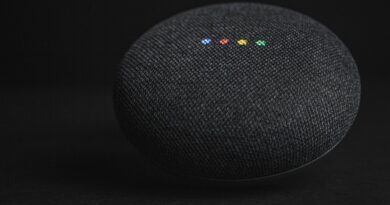
A smart speaker or display is often the easiest first device because it becomes the control point for routines, reminders, lights and media. It is also where privacy trade-offs become visible. Choose one that fits the ecosystem already used by the household and offers clear microphone mute controls, voice history settings and user profiles. If you plan to use Matter or Thread devices, confirm whether the model works as a Matter controller, a Thread border router, or both.
Smart lighting
Smart bulbs are simple for lamps and accent lighting. Smart switches are often better for ceiling fixtures used by more than one person because they keep the wall control familiar and prevent someone from cutting power to a smart bulb. Before buying smart switches, check the wiring requirements. Many models need a neutral wire, and older homes may not have one in every switch box.
Smart thermostat
A smart thermostat is most valuable when the home has regular heating and cooling demand and the HVAC system is compatible. Energy Star states that certified smart thermostats are independently certified using field data to deliver energy savings. It also notes that, for the average American household, heating and cooling account for almost half of the annual energy bill, more than $900 a year. That makes thermostat selection more than a convenience purchase, but compatibility still comes first.
Cameras and video doorbells
Cameras and doorbells can be useful, but they carry the highest privacy burden because they may record visitors, neighbors, children, delivery workers and interior spaces. Look for clear storage choices, two-factor authentication, encryption, adjustable motion zones, privacy zones, account access logs and a stated software support period. Matter support for cameras is improving, but advanced features such as object recognition, local recording and package detection may still vary by brand and platform.
Smart locks
A smart lock is only as reliable as the door it controls. If the deadbolt rubs, sticks or requires force, fix the door before installing a motorized lock. The best lock for many homes includes a keypad, phone control, temporary codes, auto-lock options and a physical backup method. Battery alerts are important, but so is the ability to enter if the battery dies or the network is offline.
Sensors and leak detectors
Sensors are less visible than cameras or displays, but they often create the smartest home experiences. A contact sensor can turn on entry lighting, confirm whether a door was left open or trigger a nighttime routine. A water leak sensor under a sink, washing machine or water heater can provide early warning before damage spreads. These devices are usually inexpensive, but they still need dependable alerts and long battery life.
Security and privacy should decide the shortlist
Security is not an optional feature for connected devices. The U.S. Federal Trade Commission advises consumers to change default usernames and passwords, use two-factor authentication when offered, keep device firmware and apps updated, and disable features they do not use. Those basic steps are especially important for cameras, routers, smart TVs, locks and voice assistants. See also: Gadgets.
In the U.S., the FCC established a voluntary Cyber Trust Mark program for wireless consumer Internet of Things products. The program is intended to help consumers identify products that meet baseline cybersecurity requirements, with a mark and QR code connected to more product information. Because the program is voluntary, buyers should still read the manufacturer’s support policy and should not assume every connected device has been evaluated.
When comparing products, give preference to brands that clearly state how long security updates will be provided. Avoid devices with vague update commitments, unclear account security, forced cloud recording for basic use or a history of abandoning products quickly. A cheaper device can become expensive if it stops receiving patches or requires a monthly plan for features that should be basic.
How to build a smart home by budget and home type
Apartment or rental
Renters should prioritize reversible devices: smart plugs, bulbs, battery cameras where allowed, portable sensors, smart speakers and removable doorbell options. Avoid replacing wiring, locks or thermostats without permission. A small setup can still feel useful if it focuses on lighting routines, entry alerts and energy awareness.
First smart home under a modest budget
Start with one smart speaker or display, two to four smart bulbs or plugs, and one or two sensors. This lets the household test routines without committing to expensive hardware. If the system proves useful, add a thermostat, lock or camera later. Buying slowly also reduces compatibility mistakes.
Family home
A family setup benefits from smart switches in shared areas, leak sensors near appliances, a thermostat, door and window sensors, a video doorbell and carefully placed outdoor cameras. Use household accounts and permissions instead of sharing a single login. For children’s rooms, think carefully before adding cameras or always-listening devices.
Energy-focused home
Prioritize an Energy Star certified smart thermostat, smart plugs with energy monitoring, whole-home energy monitoring if appropriate, and automation that reduces standby power or shifts device use. The newest Matter releases also show that energy management is becoming a more important smart home theme, but device and platform support will vary during adoption.
Common mistakes that make smart homes frustrating
- Buying by brand hype instead of platform fit. A well-reviewed device is still a poor choice if it does not work cleanly with the system used every day.
- Ignoring the router. Many smart home complaints are actually Wi-Fi coverage, band steering, IPv6, router capacity or placement problems.
- Mixing too many apps. Manufacturer apps may be necessary for setup and advanced settings, but daily control should be consolidated where possible.
- Skipping update policies. A connected lock, camera or thermostat needs long-term software support.
- Over-automating too soon. Start with routines that are easy to understand, such as evening lights, away mode, leak alerts and entry notifications.
- Forgetting manual control. Lights, locks and thermostats should still be usable by guests, children or household members who do not want to use an app.
A practical buying checklist
- Choose your main ecosystem before buying multiple devices.
- Check whether you need a hub, Matter controller or Thread border router.
- Confirm electrical, HVAC, door or mounting compatibility before ordering.
- Look for a clear software update policy and two-factor authentication.
- Decide whether you are comfortable with cloud storage or subscriptions.
- Prefer local control for critical routines where possible.
- Buy one category at a time and test reliability before expanding.
- Keep records of device names, locations, reset steps and account ownership.
The best smart home devices are not simply the newest products. They are the devices that keep working after the novelty fades. A strong smart home should reduce small daily tasks, improve awareness and comfort, and remain understandable to everyone in the household. If a device adds more maintenance than value, it is not the best choice for that home.
Frequently asked questions
What smart home device should I buy first?
For most beginners, the best first purchase is either a smart speaker or display that matches the household’s preferred ecosystem, or a small set of smart plugs and lights. These devices are relatively low risk, easy to move and useful for testing routines before investing in locks, cameras or thermostats.
Are Matter devices always better?
Matter support is a strong advantage because it can improve cross-platform compatibility, but it is not the only factor. Check whether your platform supports the specific device type and feature set you need. Some advanced functions may still require the manufacturer’s app.
Do smart home devices work without internet?
Some do, especially devices with local control through a hub or local network. Others rely heavily on cloud services. If offline operation matters, look for local automation support and avoid devices that require the cloud for basic commands.
Are smart cameras worth it?
Smart cameras can be useful for entry points, deliveries and safety awareness, but they require careful privacy decisions. Choose models with strong account security, clear storage options, privacy zones and reliable software updates. Do not place cameras where they create unnecessary privacy risks.
How many smart home apps should I use?
Use as few as practical for daily control. You may still need manufacturer apps for setup, firmware updates and advanced settings, but routines and household control are usually easier when centralized in one main platform.