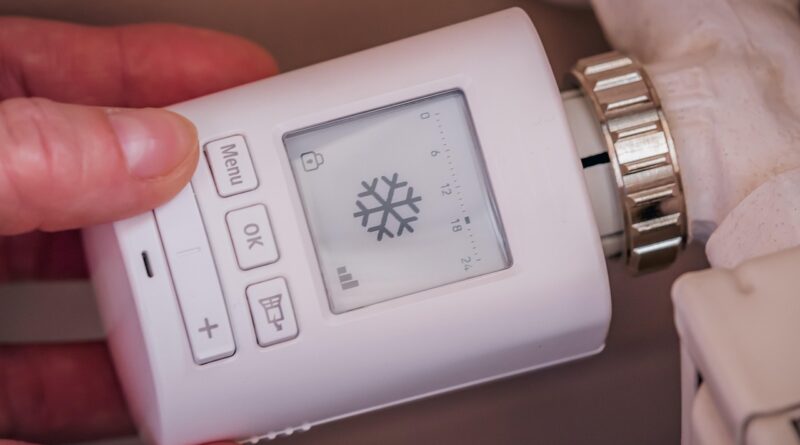
Amazon Smart Thermostat review with compatibility, features and limits
Quick verdict for buyers
The Amazon Smart Thermostat is a low-cost, Alexa-first thermostat for compatible 24V HVAC systems. It should not be treated as a premium climate hub with built-in voice hardware, remote sensors, or broad smart-home platform control. It can make sense if you already use Alexa, have a C-wire or a compatible adapter path, and mainly want schedules, app control, routines, and energy-saving automation. It is a weaker fit for line-voltage heating, dual-fuel heat pumps, 5GHz-only Wi-Fi, or buyers who need clearly documented multi-platform control. For more connected-device context, see our Smart Home coverage. (digprjsurvey.amazon.com)
What the Amazon Smart Thermostat is designed to be
Amazon introduced the thermostat during its September 2021 devices event with a launch price of $59.99 and pointed to possible utility-provider rebates for eligible customers. Resideo, the company behind Honeywell Home thermostats, described the device in November 2021 as Amazon Smart Thermostat with Honeywell Home Technology. That context matters: this is not a new product-category experiment. It is a mature, cost-focused Alexa thermostat whose value depends on system fit, installation conditions, and current energy-program eligibility rather than launch positioning. (aboutamazon.com)
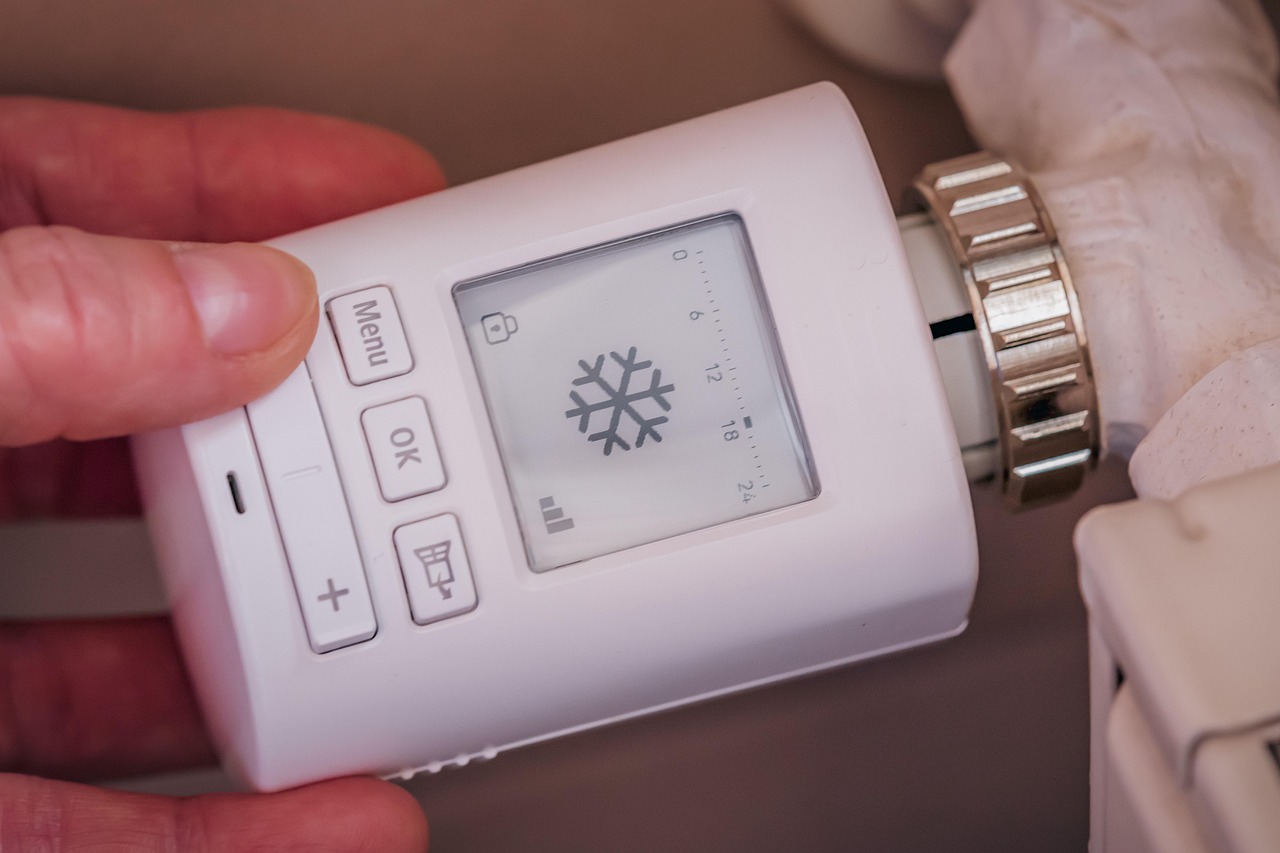
The core proposition is straightforward. The device replaces a compatible low-voltage wall thermostat with a connected model that can be configured in the Alexa app, used in routines, controlled by voice through another Alexa device, and enrolled in available energy-related features. That is enough for many homes. It is not the same proposition as a higher-end thermostat with a color display, built-in voice assistant, remote room sensors, or broad native ecosystem support.
Compatibility should decide the purchase
With smart thermostats, a low purchase price can quickly lose its appeal if the wiring is wrong. The Amazon Smart Thermostat requires a C-wire, also called a common wire, or a compatible C-wire power adapter. Amazon’s setup and wiring guidance also tells users to follow the Alexa app instructions and confirm that the wire serving the C terminal provides power from the HVAC system. (digprjsurvey.amazon.com)
C-wire and power requirements
A C-wire provides continuous low-voltage power to the thermostat. Older battery-powered thermostats may work without one because they do not need constant power for Wi-Fi. A Wi-Fi thermostat does. If there is no usable C-wire at the wall, Amazon says a C-wire adapter may be needed, and its installation guidance directs users back to the app and support flow rather than relying on wire color alone. Before purchase, the compatibility checker and a clear photo of the existing wiring are important.
Heat pumps, dual-fuel systems and high-voltage warnings
Amazon’s compatibility guidance says the thermostat works only with air-to-air and geothermal heat pumps among heat-pump systems. It does not work with heat pumps that use a backup gas or oil furnace, often referred to as dual-fuel systems. The product guide also warns that it does not replace a line-voltage thermostat, including systems marked with L1 or L2 terminals. If the old thermostat has thick wires, wire nuts, or line-voltage markings, this should not be treated as a simple DIY swap. (digprjsurvey.amazon.com)
Wi-Fi and sensor limits
Amazon’s safety and compliance information says the thermostat requires 2.4GHz Wi-Fi and is not compatible with a home that only has 5GHz Wi-Fi. The product guide also says it does not support S terminals for indoor or outdoor sensors. Buyers who want room-by-room balancing, remote sensor averaging, or outdoor-sensor logic should compare alternatives before ordering. (digprjsurvey.amazon.com)
Alexa features and daily control
Setup and control run through the Alexa app. Amazon’s setup instructions tell users to add a thermostat, choose Amazon as the brand, and follow guided steps based on whether the thermostat is already mounted. Amazon’s support area also lists common controls, including routines, temperature schedules, manual temperature adjustment, vacation mode, emergency heat activation, and Alexa Automatic Control. (digprjsurvey.amazon.com)
The key expectation to set is voice control. Despite the Alexa branding, Amazon’s guide says the thermostat does not have a built-in microphone. Other product materials also note that it does not have a speaker. To control it by voice, you need the Alexa app or a compatible Alexa-enabled device such as an Echo speaker or display. In day-to-day use, that makes the thermostat an Alexa-controlled endpoint rather than a standalone voice assistant on the wall. (m.media-amazon.com)
- Good fit: homes already using Echo devices, Alexa routines, or app-based smart-home control.
- Less ideal: homes where the thermostat itself must provide voice input, audible responses, or room-sensor expansion.
- Worth checking: whether every household member is comfortable using Alexa for climate control instead of a separate thermostat ecosystem.
Energy savings and rebates explained
The Amazon Smart Thermostat appears in the ENERGY STAR connected thermostat product information under model S6ED3R. ENERGY STAR says certified smart thermostats must demonstrate savings using a full year of anonymized, aggregated field data from homes, rather than relying only on lab estimates. ENERGY STAR’s FAQ gives an average savings figure of about 8% of heating and cooling bills, or about $50 per year, while noting that results vary by climate, comfort preferences, occupancy, and HVAC equipment. (energystar.gov)
That certification is useful, but it is not a personal guarantee. A household that already follows a tight heating and cooling schedule may save less. A household with long away periods, higher heating and cooling costs, and a willingness to accept wider temperature setbacks may save more. The thermostat’s low launch price also made rebates especially relevant, but rebate availability is local and can change by utility, program year, and enrollment terms. Amazon highlighted possible utility rebates at launch, but buyers should verify current offers directly with their energy provider before treating a rebate as part of the purchase price. (aboutamazon.com)
Trade-offs versus fuller-featured smart thermostats
The Amazon model competes less on premium hardware and more on low upfront cost, ENERGY STAR certification, and Alexa integration. The trade-off is that several features often found in higher-priced thermostats are either absent, narrower in scope, or dependent on external Alexa devices. The table below summarizes the main decision points from the official compatibility and setup information. See also: Gadgets.
| Decision point | Amazon Smart Thermostat position | What to consider |
|---|---|---|
| Price strategy | Originally launched at a low $59.99 price before rebates | Current retail price and rebates can change, so check the actual checkout cost |
| Voice control | Works through Alexa, but the thermostat itself has no built-in microphone | You need the Alexa app or a separate Alexa-enabled device for voice commands |
| HVAC fit | Built around compatible low-voltage HVAC systems and C-wire power | Dual-fuel heat pumps, line-voltage heating, and missing C-wires require caution |
| Room sensors | Does not support S terminals for indoor or outdoor sensors | Consider another thermostat if room-by-room comfort balancing is important |
| Energy case | ENERGY STAR certified connected thermostat | Savings depend on behavior, climate, utility rates, and HVAC runtime |
Installation checklist before you buy
Before buying, treat installation as the main risk area. Turn off HVAC power before touching thermostat wiring, take a clear photo of the existing wiring, label wires by terminal rather than color, and confirm whether there is a real C-wire at both the thermostat and the HVAC control board. Amazon’s installation troubleshooting guidance specifically points users to the HVAC control board to verify that the thermostat C-wire connects to a 24V common terminal when installation fails. (digprjsurvey.amazon.com)
- Confirm that the old thermostat is low voltage, not line voltage.
- Check for a C terminal with a connected wire, or plan for a compatible adapter.
- Use Amazon’s compatibility checker before purchase rather than assuming from wire colors.
- Identify whether the HVAC system is conventional, heat pump, geothermal, or dual fuel.
- Make sure the home Wi-Fi network supports 2.4GHz connections.
- Call an HVAC professional if wiring labels are missing, the control board is unclear, or the system uses high-voltage wiring.
Who should buy it, and who should skip it
The Amazon Smart Thermostat makes the most sense for a home that already uses Alexa and has a straightforward, compatible 24V HVAC system. It is especially attractive when the actual out-of-pocket price is reduced by rebates or promotions and when the buyer wants reliable basics: app control, schedules, routines, and energy-saving automation without paying for advanced display hardware or remote sensors.
Skip it, or at least slow down, if your old thermostat wiring is unusual, your heat pump uses fossil-fuel backup, your heating is line voltage, your router is 5GHz-only, or your smart-home plan depends on features not clearly documented for this model. Also compare alternatives if you want built-in voice hardware, room sensors, native support for multiple ecosystems, or more detailed HVAC accessory control.
Frequently asked questions
Does the Amazon Smart Thermostat need a C-wire?
Yes. Amazon says the thermostat requires a C-wire or a compatible C-wire power adapter. If your current thermostat does not have a C-wire, do not assume the spare wires behind the wall are usable; they must also be connected correctly at the HVAC equipment side. (digprjsurvey.amazon.com)
Does it have Alexa built in?
Not in the same way an Echo speaker does. Amazon’s guide says the thermostat does not have a built-in microphone, and related product materials state that it does not have a speaker. Voice control requires the Alexa app or a compatible Alexa-enabled device. (m.media-amazon.com)
Is it compatible with every heat pump?
No. Amazon’s compatibility guidance says it works with air-to-air and geothermal heat pumps, but not with heat pumps that use a backup gas or oil furnace. That dual-fuel exception is important because many homeowners describe their system simply as a heat pump without naming the backup heat source. (digprjsurvey.amazon.com)
Does ENERGY STAR certification mean I will definitely save $50 per year?
No. ENERGY STAR gives average savings of about 8% of heating and cooling bills, or about $50 per year, for certified smart thermostats. Individual savings vary based on climate, household behavior, comfort settings, occupancy, and HVAC equipment. (energystar.gov)
Can it connect to a 5GHz Wi-Fi-only network?
No. Amazon’s safety and compliance information says the thermostat requires 2.4GHz Wi-Fi and is not compatible with homes that only have 5GHz Wi-Fi. (digprjsurvey.amazon.com)
Bottom line
The Amazon Smart Thermostat is a practical buy when its limits match the home: Alexa is already in use, the HVAC system is compatible, a C-wire or adapter path is clear, and energy-saving basics matter more than premium thermostat features. The most important buying step is not comparing broad marketing claims; it is confirming wiring, HVAC type, Wi-Fi support, and rebate terms before ordering. If those checks pass, the thermostat can be a simple and cost-conscious smart-home upgrade. If they do not, a more flexible thermostat or a professional HVAC assessment is the safer choice.