NuFACE Mini facial toning device reviews what to know before buying
Quick verdict from NuFACE Mini reviews
If you are comparing NuFACE Mini facial toning device reviews, the practical takeaway is straightforward: the device may suit buyers who want a compact, beginner-friendly microcurrent tool for subtle facial toning, temporary de-puffing, and a more lifted-looking effect with regular use. It is not a substitute for dermatology procedures, surgery, sunscreen, retinoids, or a broader skin-care plan. The best fit is someone with mild early laxity, morning puffiness, or the patience for a five-minute device routine several times a week. It is a weaker fit for anyone expecting dramatic jowl lifting, deep wrinkle correction, or permanent contour changes without consistent use. For more product analysis, see our Reviews section.
This review reflects publicly available product information and safety literature available in November 2026. It focuses on what the device is, what users commonly praise or criticize, and where the evidence is useful, limited, or easy to overstate.
What the NuFACE Mini is
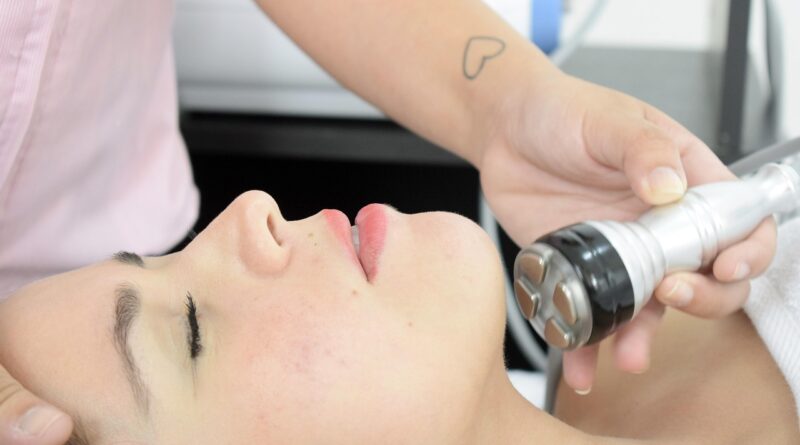
The NuFACE Mini is an at-home microcurrent facial toning device. The current retail model is commonly referred to as the MINI+, while many shoppers still search for the older name NuFACE Mini. Both names appear in consumer reviews, so buyers should check the exact version before comparing prices, accessories, and features.
According to FDA 510(k) summaries for the NuFACE Mini and NuFACE Mini Plus, the device category is an over-the-counter cosmetic facial and neck stimulation device. It uses two rounded conductive spheres that glide over skin with a conductive gel or activator. FDA clearance means the device was found substantially equivalent to a legally marketed predicate device for its intended use. It does not mean the FDA has independently verified every marketing claim in the way it would evaluate a drug approval.
| Feature | What it means for buyers |
|---|---|
| Microcurrent output | Low-level electrical current is delivered through two metal spheres while the device is moved across gel-covered skin. |
| Conductive gel required | The gel is not optional; it helps conduct the current and reduces dragging, tingling, and uneven contact. |
| Compact design | The Mini format is easier to store and travel with than larger multi-attachment systems. |
| Short routine | NuFACE recommends at least five minutes per session, five days a week for the first 60 days, then two to three times weekly for maintenance. |
| Cosmetic use | The device is intended for appearance-related facial and neck stimulation, not for treating a medical condition. |
What reviewers tend to like
The most positive NuFACE Mini reviews usually come from people who understand that microcurrent results are subtle and routine-dependent. They are not describing a surgical lift. More often, they report that the face looks a little less puffy, the brow or cheek area appears more awake, or the jawline looks slightly more defined after consistent use.
It is easier to start than larger systems
The Mini format has a clear advantage for first-time microcurrent users. It has fewer attachments to manage, a small footprint, and a straightforward glide-and-hold routine. That simplicity matters because the biggest barrier with at-home beauty electronics is often not the concept of performance; it is whether the device is convenient enough to use repeatedly.
The five-minute routine feels realistic for some users
A five-minute session is short compared with many LED masks, radiofrequency tools, or multi-step facial devices. For people who already keep a morning or evening skin-care routine, the NuFACE Mini can fit between cleansing and moisturizer. The important qualifier is for some users. A device that requires repeated use can still become a chore for anyone who dislikes routine maintenance.
Immediate cosmetic effects are the most believable
The clearest pattern across editorial reviews and buyer feedback is that immediate cosmetic effects are easier to notice than long-term transformation. A slightly lifted-looking brow, reduced morning puffiness, or a more refreshed appearance before an event is more realistic than permanent tightening. This is why the device is best judged as a maintenance and appearance tool rather than a one-time fix.
What reviewers criticize
Negative NuFACE Mini reviews tend to cluster around expectation gaps. Some buyers expect a dramatic facial lift from a small consumer microcurrent tool. Others like the device at first but stop using it because the routine, gel application, and cleaning steps become inconvenient.
- Results can be subtle: People with advanced skin laxity, deeper folds, or heavier jowls may find the visible difference too small for the price.
- Consistency is required: The recommended schedule is frequent. If the device sits unused, it cannot deliver even modest maintenance benefits.
- Gel adds ongoing cost: Conductive gel or activator is part of the system. Running out of gel can interrupt use, and some users dislike the sticky or wet feel.
- The Mini is less versatile than larger kits: The compact model is designed for simplicity. Shoppers who want targeted eye, lip, or red-light attachments may prefer a larger NuFACE system or another device category.
- Sensation varies: Some users feel little at all, while others notice tingling, a metallic taste, zaps near hairline areas, or irritation when the gel dries.
These criticisms do not mean the device is ineffective for everyone. They mean the buying decision should be based on realistic goals, tolerance for repetition, and total cost, including gel.
What the evidence can and cannot prove
Microcurrent beauty devices sit in a difficult evidence category. There is plausible reasoning behind facial electrical stimulation, and there are studies of neuromuscular electrical stimulation and home beauty devices. However, the evidence does not perfectly match every consumer device, every protocol, or every claim made in marketing copy.
A frequently cited 2012 randomized controlled trial in the Journal of Cosmetic Dermatology studied facial neuromuscular electrical stimulation in 108 healthy women over 12 weeks. Participants used the device 20 minutes per day, five days per week, and the study reported increased zygomatic major muscle thickness and subjective improvements in tone, firmness, and lift. That study is useful context, but it should not be treated as direct proof that every at-home microcurrent wand will produce the same outcome. Device type, current strength, treatment time, and study design all matter.
Dermatology commentary is also cautious about long-term safety and evidence quality. A 2026 Cutis research letter reviewed FDA MAUDE reports from January 1, 2013 through March 31, 2025 and identified adverse event reports associated with at-home microcurrent devices, mostly involving NuFACE products because those were the reports found in the database. The authors also noted major limitations: adverse event databases do not show true incidence rates, severe events are more likely to be reported, and the denominator of total users is unknown.
The fair interpretation is balanced. Short-term cosmetic improvement is plausible, especially for temporary toning and de-puffing. Large, long-term, sham-controlled studies on specific consumer devices remain limited. Buyers should therefore avoid both extremes: dismissing microcurrent entirely as useless or expecting it to perform like an in-office lifting procedure.
Safety notes before using NuFACE Mini
Because the NuFACE Mini is an electrical device used on the face and neck, safety screening matters. The product manual lists several situations where use is not recommended, including a history of epilepsy or seizures, pregnancy, active cancer or suspicious lesions, recent facial surgery unless cleared by a doctor, implanted electronic devices such as pacemakers or defibrillators, and use by children under 18. People with body-worn medical devices, heart conditions, abnormal skin sensation, recent injectables, or active skin disease should ask a qualified clinician before using any microcurrent device. See also: Gadgets.
Practical use tips
- Start with clean, oil-free skin so the conductive medium can work properly.
- Patch test the gel or activator if your skin is reactive.
- Apply enough gel to keep the skin wet during treatment; dry gel can increase tingling or dragging.
- Keep both spheres in contact with the skin during each glide or hold.
- Use the lowest comfortable intensity when starting.
- Stop if you feel pain, burning, unusual dizziness, or persistent irritation.
- Clean the spheres after each use according to the manufacturer’s instructions.
Do not use the device over broken skin, fresh wounds, infected areas, or areas where your clinician has told you to avoid stimulation. If you recently had Botox, filler, laser, surgery, or another procedure, follow your provider’s aftercare instructions rather than relying on a device review.
NuFACE Mini vs Trinity+ and other options
The Mini is best understood as the simple entry point in the NuFACE ecosystem. It is not automatically the right choice for every buyer.
| Option | Best fit | Main trade-off |
|---|---|---|
| NuFACE Mini or MINI+ | Beginners, frequent travelers, and users who want a compact microcurrent-only routine. | Fewer attachment options and less targeting around smaller facial areas. |
| NuFACE Trinity+ system | Users who want a broader kit and may use additional attachments. | Higher cost, more pieces, and potentially more routine complexity. |
| Other microcurrent devices | Buyers comparing app features, intensity levels, silicone designs, or combined current types. | Evidence and safety details vary by brand and model. |
| No-device routine | People focused on sunscreen, retinoids, moisturizers, massage, and professional treatments. | No dedicated microcurrent effect, but often lower cost and easier consistency. |
If you are unsure whether you will actually use a microcurrent device five days a week at first, the Mini format is the more sensible test than an expensive multi-attachment kit. If you already know you enjoy devices and want targeted eye or lip tools, a larger system may be more satisfying.
Is the NuFACE Mini worth it?
The NuFACE Mini is worth considering if you want a compact, FDA-cleared cosmetic microcurrent device and you are comfortable with modest, maintenance-based results. It is most persuasive for users who enjoy beauty tech, can commit to the schedule, and want a subtle lifted-looking effect rather than a major structural change.
It is less compelling if you are buying it as a solution for pronounced sagging, deep wrinkles, facial fat changes, or a sharply reshaped jawline. It is also a poor match if you dislike sticky gels, have relevant medical contraindications, or know that a five-days-a-week start-up routine is unrealistic.
The best buying mindset is cautious optimism. Treat the NuFACE Mini as a small electrical grooming tool that may improve the look of tone and puffiness with repeated use. Do not treat it as a replacement for medical advice, evidence-based skin care, or procedures designed to address significant laxity.
Frequently asked questions
Does the NuFACE Mini really work?
It may work for subtle cosmetic changes, especially temporary de-puffing and a more toned-looking appearance. The best-supported expectation is modest improvement with consistent use, not a dramatic or permanent lift.
How long does it take to see results?
Some users report an immediate refreshed look after one session, while longer-term appearance changes depend on repeated use. NuFACE recommends five minutes a day, five days a week for the first 60 days, followed by maintenance use two to three times weekly.
Can I use the NuFACE Mini without gel?
No. A conductive gel or suitable conductive medium is part of how the device works. Using it on dry skin can cause poor contact, tugging, or uncomfortable tingling.
Does microcurrent melt facial fat?
The NuFACE Mini should not be purchased with the expectation that it will melt facial fat. Consumer microcurrent devices are marketed for toning and lifting appearance, not fat reduction. If facial volume changes are a concern, speak with a dermatologist or qualified aesthetic clinician.
Who should skip it?
People who are pregnant, have implanted electronic devices, a history of seizures, active cancer, suspicious lesions, recent facial surgery without medical clearance, or significant heart concerns should avoid or seek medical advice before use. Anyone with pain, burning, dizziness, or persistent irritation should stop using the device.