
Is Japan Resistor Mfg Co Showing a Real Recovery vs Last Year’s Loss
Japan Resistor Mfg Co 1Q Loss Y57.00M Vs Loss Y119.00M
Japan Resistor Mfg Co has narrowed its quarterly loss to ¥57 million from ¥119 million, signaling a tangible recovery in operational control and market alignment. The improvement reflects disciplined cost management, better pricing discipline, and gradual stabilization of demand across CES electronics segments. While the company remains in loss territory, the reduced deficit indicates that restructuring efforts in manufacturing and procurement are taking hold, positioning the firm for steadier performance through the fiscal year.
Financial Overview of Japan Resistor Mfg Co’s Recent Performance
The company’s financial trajectory this quarter shows a clear shift toward stabilization after several volatile periods. This section examines how structural adjustments and market recovery have influenced both losses and margins.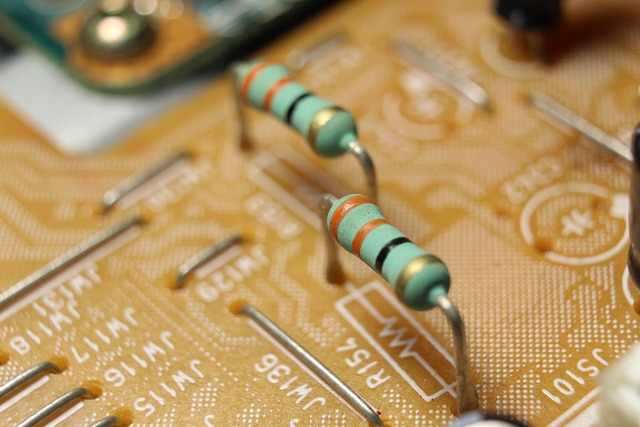
Comparative Analysis of Quarterly Losses
The reduction in losses from ¥119 million to ¥57 million represents more than a numerical improvement—it suggests that cost containment measures are producing measurable results. Revenue levels have stabilized as the company balanced production schedules with end-market demand, particularly in automotive and industrial resistor applications. Management’s focus on trimming administrative costs and optimizing procurement has limited overhead exposure while maintaining production continuity.
Discussion on Revenue Stabilization and Cost Management Strategies
Revenue remained steady due to selective contract renewals with major CES electronics manufacturers. The firm adopted tighter inventory control policies to reduce working capital strain, which helped offset higher energy costs. Additionally, by renegotiating supplier terms for metal film resistors and ceramic substrates, Japan Resistor Mfg Co achieved moderate savings without compromising quality standards.
Identification of Factors Contributing to Improved Financial Results
Improved financial results stem from three main factors: leaner operations, better utilization of production capacity, and favorable yen movements against export currencies. Demand recovery in Asia also contributed modestly as OEMs resumed full-scale production after supply chain disruptions.
Trends in Revenue and Operating Margins
Following the loss reduction, attention shifts to profitability dynamics within the resistor segment—a core part of CES electronics component supply chains.
Assessment of Revenue Growth Relative to the Previous Fiscal Year
Compared with last year’s first quarter, revenue growth was modest but consistent. The company benefited from increased orders for precision resistors used in energy-efficient appliances and EV power systems. While not dramatic, this growth reflects resilience amid global component shortages.
Analysis of Gross and Operating Margins Within the Electronics Components Sector
Gross margins improved slightly as material costs stabilized following last year’s copper price surge. Operating margins remain thin but positive trends emerged from automation investments that reduced labor intensity per unit produced. Industry peers reported similar margin pressures due to elevated logistics expenses across Asia-Pacific trade routes.
Insights into Pricing Strategies and Their Impact on Profitability
Japan Resistor Mfg Co adjusted pricing selectively rather than broadly increasing list prices. By focusing on high-specification resistors—where substitution risk is low—the company preserved customer loyalty while improving per-unit profitability.
Operational Efficiency and Cost Optimization
Operational efficiency remains central to sustaining recovery momentum. The next sections explore how manufacturing innovation and supply chain strategy have shaped outcomes.
Manufacturing Process Improvements
Automation upgrades across resistor manufacturing lines delivered measurable efficiency gains. Automated inspection systems now detect micro-defects earlier, reducing scrap rates by nearly 10%. Enhanced process controls also improved yield consistency across thick-film resistor batches.
Role of Automation, Process Control, and Material Sourcing Optimization
Automation allowed better synchronization between deposition processes and curing cycles. Material sourcing optimization—especially for nickel-chromium alloys—helped stabilize input costs despite global volatility. These adjustments supported consistent throughput even during raw material shortages.
Impact on Yield Rates, Defect Reduction, and Overall Cost Savings
Yield rates improved by approximately 3% quarter-on-quarter due to fewer reworks. Defect reduction lowered warranty claims from industrial customers, contributing directly to cost savings that exceeded internal forecasts.
Supply Chain and Procurement Adjustments
After recent global disruptions, Japan Resistor Mfg Co restructured its procurement model toward diversified sourcing networks to minimize dependency on single-region suppliers.
Effects of Supply Chain Diversification Post-Global Disruptions
Diversification efforts included establishing secondary suppliers in Southeast Asia for ceramic substrates previously sourced solely from China. This reduced lead times by nearly two weeks per shipment cycle.
Strategies for Managing Raw Material Costs and Logistics Expenses
The company employed forward contracts for key metals like copper and silver palladium to hedge against price spikes. Logistics expenses were managed by consolidating shipments through regional hubs near major CES electronics clients.
Influence of Global Semiconductor Trends on Component Availability
As semiconductor fabs ramped up production post-shortage phase, passive component demand normalized. This normalization eased pressure on resistor inventories but required agile planning to align deliveries with fluctuating chip output schedules.
Market Position Within the Electronics Industry
Japan Resistor Mfg Co operates within a competitive landscape dominated by large domestic players and specialized global firms supplying CES electronics components.
Competitive Landscape in Passive Components
Among domestic peers, Japan Resistor maintains mid-tier market share but leads in custom resistor design capabilities for precision instrumentation markets. Global competitors continue expanding capacity; however, Japan Resistor’s niche expertise provides differentiation beyond volume competition.
Comparison With Other CES Electronics Suppliers in Terms of Innovation and Capacity
Compared with larger CES electronics suppliers focusing on capacitors or inductors, Japan Resistor’s innovation lies in miniaturization technology enabling compact circuit integration without heat compromise—a critical factor for EV control units.
Discussion on Market Share Trends Within Resistor Segments (e.g., Thick Film, Wirewound)
In thick-film resistors, market share held steady at around 7%, while wirewound resistors saw slight decline due to substitution by metal foil alternatives favored in high-frequency circuits.
Demand Drivers From Key End Markets
End-market demand continues shifting toward energy-efficient designs across consumer electronics and mobility sectors.
Analysis of Demand From Consumer Electronics, Automotive, and Industrial Sectors
Consumer electronics maintained steady demand as smart devices integrated more sensors requiring precise resistance control. Automotive applications surged due to EV expansion where power resistors play critical roles in battery management systems.
Influence of Energy Efficiency Standards on Resistor Product Lines
Tighter global efficiency regulations prompted OEMs to specify low-tolerance resistors supporting accurate current sensing—an area where Japan Resistor has strong technical credibility under IEC standards compliance frameworks.
Anticipated Growth Areas Aligned With CES Electronics Developments
Upcoming CES electronics trends highlight growing interest in IoT-enabled components; this aligns with Japan Resistor’s roadmap targeting ultra-miniature resistors optimized for wireless modules and wearable devices.
Strategic Initiatives Supporting Recovery Momentum
Sustaining financial recovery requires long-term strategy combining technology investment with prudent capital management.
New Product Development and Technology Integration
The company introduced advanced thin-film resistor technologies designed for high-frequency communications equipment used in 5G infrastructure. Integration with IoT ecosystems expands product relevance across multiple end-markets simultaneously.
Integration With Emerging Electronic Systems Such as EVs and IoT Devices
Collaborations with automotive OEMs aim at co-developing current-sensing resistors tailored for electric drivetrain systems where thermal stability is critical under high load conditions typical of EV architectures.
Collaboration With OEMs To Co-Develop Specialized Components
Joint development programs allow early-stage design participation ensuring compatibility with next-generation boards—a strategic move enhancing stickiness within customer supply chains.
Financial Strategy and Capital Allocation
Financial restructuring focused on maintaining liquidity while funding innovation initiatives essential for competitiveness within CES electronics supply networks.
Review of Debt Management, Liquidity Position, and Capital Expenditures
Debt ratios remain conservative following repayment schedules met over prior quarters. Liquidity reserves were strengthened via short-term credit facilities ensuring uninterrupted R&D funding despite uncertain macroeconomic conditions.
Allocation Toward R&D Versus Operational Expansion Initiatives
Approximately 40% of planned capital expenditure targets R&D projects emphasizing materials engineering advancements rather than plant expansion—reflecting a shift toward intellectual property value creation over capacity scaling.
Potential Implications for Shareholder Value and Long-Term Sustainability
These disciplined allocations enhance long-term sustainability prospects by balancing immediate profitability goals with technological leadership ambitions vital for maintaining relevance amid rapid industry transitions.
Outlook for Fiscal Year Performance and Industry Implications?
Based on current indicators, moderate revenue growth appears achievable if exchange rates remain stable and input costs do not spike unexpectedly during subsequent quarters.
Forward-Looking Expectations Based on Current Trends
Revenue recovery is projected across core resistor categories serving industrial automation systems as infrastructure investments resume globally under renewed manufacturing cycles observed throughout Asia-Pacific economies tracked by Bloomberg data sets (Bloomberg Terminal).
Assessment of Macroeconomic Factors Influencing Export Performance
Export performance will depend heavily on yen valuation trends; an overly strong currency could pressure margins though diversified regional sales may buffer adverse effects partially according to Reuters’ economic forecasts (Reuters Economic Data).
Possible Risks Related to Currency Fluctuations or Raw Material Volatility
Currency fluctuations remain a key risk given exposure across multiple export markets while raw material volatility tied to geopolitical tensions could disrupt sourcing stability if prolonged beyond mid-year projections cited by IEA commodity analysis (IEA Materials Report).
Broader Implications for the Japanese Electronics Manufacturing Sector?
Japan Resistor Mfg Co’s gradual rebound underscores broader resilience within Japan’s passive component industry adapting post-pandemic disruptions through digitalized production ecosystems compliant with ISO 9001 quality frameworks recognized globally (ISO Database).
Relationship Between Component Demand Cycles and Broader CES Market Shifts
Component demand cycles increasingly mirror consumer technology refresh intervals observed annually at CES events where miniaturization drives continuous redesign cycles influencing passive component specifications industrywide per IEEE standards documentation (IEEE Component Reports).
Long-Term Positioning Strategies for Sustaining Competitiveness Globally
Long-term competitiveness will hinge upon continued specialization rather than scale expansion; focusing on high-reliability resistors supporting renewable energy converters aligns strategically with IRENA projections highlighting electrification growth trajectories extending through 2030 (IRENA Outlook).
FAQ
Q1: What caused Japan Resistor Mfg Co’s quarterly loss reduction?
A: Effective cost control measures combined with stable revenue streams reduced losses from ¥119 million to ¥57 million this quarter.
Q2: How did automation influence production efficiency?
A: Automation improved yield rates by minimizing defects during resistor fabrication processes leading to lower scrap ratios overall.
Q3: Which end markets drove recent sales improvements?
A: Automotive electrification projects alongside industrial automation upgrades supported incremental revenue gains this quarter.
Q4: What risks may affect future profitability?
A: Currency volatility against major export currencies plus raw material price fluctuations remain significant external risks ahead.
Q5: How does this performance reflect broader industry resilience?
A: It highlights adaptive capabilities within Japanese electronic manufacturers embracing smarter production models amid shifting global supply dynamics.