Are Transformers Electronics Signaling a Hidden Crisis in Aging Power Grids
Transformer Failures Raise Concerns Over Aging Power Distribution Networks
Aging transformer electronics are becoming a critical point of failure in global power grids. As utilities push decades-old infrastructure beyond its intended lifespan, failures in control circuits, insulation systems, and communication modules increasingly threaten grid reliability. The issue is not isolated; it reflects a systemic challenge as analog-era transformers struggle to meet digital-era demands. The solution lies in modernizing monitoring systems, reinforcing grid interconnectivity, and adopting predictive maintenance models that can detect weaknesses before they cascade into widespread outages.
The Role of Transformer Electronics in Power Grids?
Transformers are the backbone of modern electricity distribution. Their embedded electronic systems play a decisive role in stabilizing voltage levels and managing load flow across vast networks.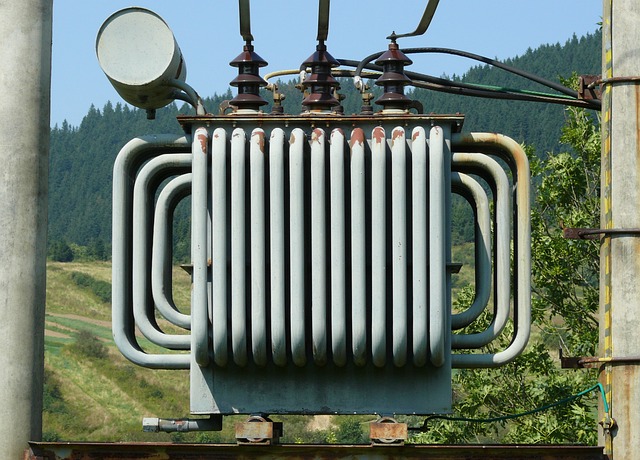
The Function of Transformers in Power Distribution
Transformers regulate voltage between high-voltage transmission lines and lower-voltage distribution circuits. Within each unit, electronic controllers balance loads and monitor efficiency to reduce energy losses. When these components degrade or malfunction, even minor voltage inconsistencies can ripple through an entire region’s network. In practice, their reliability defines the quality of delivered power—an essential metric for industrial operations and household stability alike.
Evolution of Transformer Electronics Technology
Over recent decades, transformer technology has moved from manual inspection toward digital monitoring. Smart sensors now provide real-time feedback on temperature, vibration, and gas levels inside transformer tanks. These innovations allow operators to respond before minor issues escalate into faults. Digitalization also enhances data transparency across utilities, enabling better coordination between substations during peak demand or grid disturbances.
Emerging Signs of Stress in Aging Power Infrastructure
As infrastructure ages, the strain on transformer electronics becomes visible through subtle yet telling indicators. Many units installed over 30 years ago were never designed for today’s fluctuating renewable inputs or urban load surges.
Indicators of Transformer Degradation
Frequent overheating events often signal deteriorating insulation or winding fatigue. Harmonic distortions—caused by worn-out electronic regulators—disturb power quality and accelerate component wear. Irregular voltage fluctuations further reveal internal imbalances that conventional maintenance might overlook until failure occurs.
The Impact of Environmental and Operational Factors
Environmental stress compounds aging effects. Thermal cycling from day-night temperature shifts fatigues metal cores and joints. Moisture ingress contaminates insulating oils, lowering dielectric strength. Meanwhile, chronic overloading due to population growth or electrification projects pushes legacy transformers far beyond their rated capacity, hastening breakdowns in control electronics.
The Interconnection Between Transformer Electronics and Grid Stability?
Transformer electronics form the nervous system of interconnected grids; when they falter, the consequences cascade rapidly across regions.
How Electronic Failures Affect Grid Reliability
A single malfunctioning control circuit can mismanage load transfer between substations, triggering protective shutdowns that spread through the network. Faulty sensors delay fault detection, forcing operators to rely on outdated manual checks during emergencies. Communication errors between transformers disrupt synchronization protocols essential for balancing frequency and reactive power flow.
Systemic Vulnerabilities in Legacy Grids
Legacy Supervisory Control and Data Acquisition (SCADA) systems lack the resolution needed to monitor detailed transformer health metrics. Integration challenges between old analog relays and new digital modules complicate upgrades, leaving utilities with hybrid systems prone to miscommunication. Deferred maintenance budgets only worsen fragility; one weak link can compromise multiple substations simultaneously.
Diagnostic Technologies for Monitoring Transformer Health?
Utilities increasingly deploy advanced diagnostic tools to predict failures before they disrupt service continuity.
Advanced Condition Monitoring Systems
Online dissolved gas analysis (DGA) identifies chemical signatures from internal arcing or overheating long before visual symptoms appear. Infrared thermography scans detect surface hotspots that could indicate loose connections or core damage. Vibration analysis complements these methods by revealing mechanical looseness or resonance issues that threaten stability under load changes.
Predictive Maintenance Through Data Analytics
Machine learning models trained on historical performance data now calculate failure probabilities for individual transformers with impressive accuracy. Digital twins—virtual replicas of physical assets—simulate stress scenarios such as overloads or short circuits to assess resilience under variable conditions. Cloud-based dashboards then consolidate this information for remote teams, allowing faster intervention planning without site visits.
Strategic Approaches to Reinforcing Aging Power Grids?
Modernization is not only about replacing hardware but creating smarter ecosystems where every transformer communicates efficiently within an adaptive grid.
Modernization Through Smart Grid Integration
IoT-enabled transformers equipped with embedded processors transmit continuous operational data to central control rooms. Real-time analytics interpret these signals to balance regional loads dynamically while minimizing energy waste during low-demand hours. At the same time, cybersecurity frameworks safeguard communications against intrusion attempts—a growing concern as grids become more connected.
Policy, Investment, and Infrastructure Renewal Priorities
Regulatory incentives encouraging replacement of obsolete transformer electronics reduce systemic risk exposure across national networks. Public-private partnerships have proven effective at accelerating modernization timelines by pooling technical expertise with capital investment. Establishing standardized monitoring protocols further enhances compatibility between manufacturers’ equipment and regional utility systems.
Future Outlook on Transformer Electronics and Grid Resilience?
The next generation of transformer technology promises both efficiency gains and longer service life through materials science breakthroughs and intelligent design principles.
Technological Innovations on the Horizon
Solid-state transformers are emerging as compact alternatives offering faster switching speeds and higher efficiency compared with traditional magnetic-core designs. Researchers are experimenting with self-healing polymers capable of repairing micro-cracks under thermal stress, potentially extending lifespan by decades. As renewable integration deepens—solar peaks at noon while wind surges overnight—adaptive electronic controls will be vital to manage variable inputs smoothly into stable grid output.
Building a Sustainable Framework for Next-generation Power Systems
Lifecycle management will define future reliability strategies: continuous diagnostics paired with planned refurbishment cycles rather than reactive repairs after faults occur. Collaborative research among universities, manufacturers, and utilities is shaping international standards that harmonize testing protocols for transformer electronics across borders. A proactive maintenance culture transforms resilience from a reactive defense mechanism into a predictive operational philosophy guiding tomorrow’s energy systems.
FAQ
Q1: What causes most transformer failures today?
A: Most failures stem from insulation degradation, moisture contamination in oils, or malfunctioning electronic controllers that disrupt load regulation.
Q2: How long do modern transformers typically last?
A: With proper maintenance and upgraded electronics, large power transformers can operate reliably for 40 years or more; older units often fail sooner due to outdated materials.
Q3: Why is predictive maintenance becoming essential?
A: It allows operators to identify early warning signs using data analytics instead of waiting for physical breakdowns that cause costly outages.
Q4: Are solid-state transformers commercially available yet?
A: Pilot deployments exist in select smart grid projects worldwide; broader adoption depends on cost reduction and proven field durability over time.
Q5: How does climate change affect transformer reliability?
A: Higher ambient temperatures accelerate oil aging and insulation wear, while extreme weather increases the risk of overloads during recovery phases after storms or heatwaves.