Are Cheap Bluetooth Headphones Truly Capable of Rivalling AirPods Pro
Looking for Wireless Earbuds That Rival the Latest AirPods Pro? Check Out My Recs.
Cheap Bluetooth headphones have improved rapidly, but the gap with Apple’s AirPods Pro still shows in hardware precision, acoustic tuning, and ecosystem depth. While budget models now offer ANC and decent codecs, their component quality, DSP calibration, and firmware support remain inconsistent. The AirPods Pro’s H2 chip, adaptive EQ, and tight iOS integration deliver a level of refinement that cheap Bluetooth headphones rarely match. Yet for users focused on value rather than perfection, some mid-tier wireless earbuds come surprisingly close in sound and comfort.
Evaluating the Technological Gap Between Cheap Bluetooth Headphones and AirPods Pro
The technological divide between premium and affordable earbuds stems from design philosophy and component sourcing. AirPods Pro are engineered around custom silicon and acoustic chambers tuned by Apple’s audio labs. Cheap Bluetooth headphones often rely on off-the-shelf components optimized for cost rather than performance.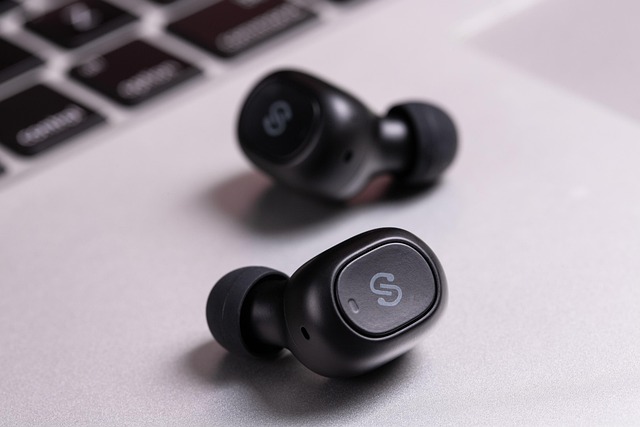
Core Hardware and Component Differences
Budget earbuds typically use generic chipsets from Realtek or Actions Semiconductor, offering basic Bluetooth 5.3 functionality but limited processing bandwidth. The AirPods Pro’s H2 chip integrates advanced DSP cores that manage active noise cancellation, spatial audio rendering, and adaptive EQ simultaneously without latency spikes. Driver quality also diverges: Apple employs custom high-excursion drivers with dual vents to balance pressure, while cheaper models use single dynamic drivers with less rigid diaphragms that distort at high volumes. Battery design follows a similar pattern—AirPods use tightly calibrated lithium-polymer cells with efficient power management ICs; budget devices often sacrifice longevity for capacity claims that degrade faster after a few hundred cycles.
Sound Engineering and Acoustic Performance
The acoustic gap becomes clearer in controlled frequency response tests. Premium models like the AirPods Pro show near-flat midrange response with subtle bass lift around 100 Hz for warmth. Cheap Bluetooth headphones tend to exaggerate low frequencies to mask limited treble extension, creating a “V-shaped” tuning that sounds lively but lacks accuracy. DSP in budget earbuds can correct tonal imbalance slightly but often introduces phase artifacts or compression at higher volumes. Consistency across genres also varies—classical tracks expose narrow soundstage and smeared imaging in cheaper models, while pop or EDM may hide these flaws under heavy bass emphasis.
Active Noise Cancellation (ANC) and Transparency Features
Noise control technologies are where price differences become most evident. ANC relies not only on microphones but also on real-time signal processing precision.
Understanding ANC Implementation Across Price Points
Cheap Bluetooth headphones usually implement feedforward ANC using one external mic per earbud. This setup cancels steady low-frequency noise but struggles with variable sounds like speech or traffic rumble due to algorithmic lag. Hybrid ANC systems in the AirPods Pro combine internal and external mics with adaptive filtering updated at microsecond intervals through the H2 chip’s neural engine. The result is lower noise floor and minimal distortion even when ambient conditions shift rapidly. In noisy environments such as subway cars or open offices, premium ANC maintains stability where budget implementations produce audible hiss or pressure imbalance.
Transparency Mode and Ambient Awareness Capabilities
Transparency performance depends on microphone array geometry and DSP gain mapping. AirPods Pro use beamforming mics positioned along the stem to capture natural spatial cues, giving a lifelike sense of openness during conversations or outdoor runs. Many cheap Bluetooth headphones attempt similar passthrough modes but suffer from muffled timbre or latency between ambient input and playback output. For safety awareness—like hearing approaching vehicles—this delay can be problematic. During calls, premium transparency modes enhance vocal clarity without amplifying wind noise; inexpensive designs rarely achieve this balance.
Connectivity, Latency, and Compatibility Considerations
Wireless stability defines user satisfaction more than raw sound metrics do. Codec efficiency and chip-level optimization determine how seamless listening feels across devices.
Bluetooth Stability and Codec Optimization
Most cheap Bluetooth headphones rely on SBC codec by default due to wide compatibility but limited bit rate (around 328 kbps). Some mid-range options add AAC or aptX support for better fidelity on Android phones. The AirPods Pro prioritize AAC over Apple’s proprietary H2 channel protocol that synchronizes left-right transmission with ultra-low jitter timing below 200 microseconds. This reduces latency during video playback or gaming to nearly imperceptible levels compared to 250–300 ms delays common in cheaper sets.
Integration with Ecosystems and Smart Features
Ecosystem integration remains Apple’s strongest differentiator. Instant pairing via iCloud sync allows automatic switching between iPhone, iPad, MacBook, or Apple TV without manual reconnecting steps. Spatial Audio adapts head tracking data from gyroscopes within each earbud for immersive playback—a feature absent in most budget products due to missing motion sensors or computational limits. Third-party apps for cheap Bluetooth headphones offer basic EQ sliders or button remapping but seldom deliver firmware-level enhancements comparable to Apple’s ecosystem updates.
Ergonomics, Design Philosophy, and Build Quality
Design affects not only comfort but also acoustic sealing critical for both bass response and effective ANC performance.
Structural Design Choices in Affordable Earbuds
Affordable earbuds vary between compact bean-shaped shells and stem-based copies of AirPods’ silhouette. Fit stability depends heavily on nozzle angle precision; cheaper molds often compromise ergonomics leading to air leakage that weakens low-end response. Water resistance ratings differ too—AirPods Pro carry IPX4 certification suitable for sweat exposure while many budget units claim similar protection without verified testing standards like IEC 60529 compliance.
Materials Engineering and Longevity Factors
Material fatigue becomes evident after months of daily use. Hinges on charging cases made from thin ABS plastic loosen quickly compared to reinforced polycarbonate shells used by premium brands. Magnet strength inside lids affects closure feel; weaker magnets lead to accidental openings during transport which can drain batteries prematurely. Over time these small engineering details separate well-built products from disposable ones despite similar initial appearances.
Battery Life, Charging Efficiency, and Power Management Systems
Battery performance reflects both chemistry quality and firmware calibration accuracy controlling charge-discharge cycles.
Battery Density Versus Playback Duration Trade-offs
AirPods Pro employ custom-shaped lithium-polymer cells optimized around energy density rather than raw capacity numbers—each cell delivers consistent voltage curves over hundreds of cycles maintaining above 80% health after two years of daily recharges per IEC testing protocols. Cheap Bluetooth headphones may advertise longer playback times initially due to larger cells but lack intelligent energy management circuits causing faster degradation within months of heavy usage.
Charging efficiency also differs: USB-C ports on newer budget models provide convenience yet lack dynamic current regulation found in proprietary MagSafe systems ensuring balanced thermal control during fast charging sessions.
Microphone Systems and Call Quality Analysis
Voice pickup remains an overlooked metric though it shapes user perception more than frequency charts do.
Microphone Array Architecture Comparison
Premium beamforming arrays in AirPods Pro isolate speech through multiple directional mics calibrated by machine learning models trained on thousands of voice samples under varied noise conditions (as documented by IEEE audio processing studies). Cheap Bluetooth headphones typically use single MEMS microphones placed near the nozzle tip resulting in inconsistent pickup angles especially outdoors where wind turbulence dominates recordings.
Voice Processing Algorithms in Budget Devices
Low-cost DSP chips handle voice enhancement through static filters instead of adaptive AI-based cancellation used by high-end products. During VoIP calls this leads to fluctuating clarity when background chatter changes suddenly—a frequent complaint among users comparing conference call experiences between tiers.
Software Experience and Firmware Support Lifecycle
Software defines how hardware evolves post-purchase; sustained updates extend usability beyond physical durability limits.
App Integration and User Interface Design
Major brands maintain companion apps enabling EQ customization or touch control mapping updates via over-the-air firmware delivery pipelines secured under ISO/IEC cybersecurity frameworks. Generic manufacturers behind cheap Bluetooth headphones rarely release consistent updates after launch leaving bugs unresolved indefinitely.
Long-Term Reliability Through Software Maintenance
Firmware optimization directly influences latency reduction over time as codec stacks mature through iterative patches—a process absent from most unbranded devices whose support ceases within months of release leaving professionals reliant on stable connections underserved by such ecosystems.
Market Dynamics Influencing Price-to-Performance Ratios
Cost-performance balance depends not just on technology but also supply chain maturity across global OEM networks.
Economies of Scale in Audio Manufacturing
Large-scale production enables component standardization reducing per-unit costs without drastic quality loss when managed properly through ISO-certified facilities across Shenzhen or Penang regions where many ODMs operate efficiently under automated assembly lines certified by IEC standards for electroacoustic devices.
Consumer Perception Versus Measurable Performance
Perceived value often diverges from measurable metrics like total harmonic distortion plus noise (THD+N) or signal-to-noise ratio (SNR). Branding weight heavily influences expectations even when lab results show marginal audible differences within human hearing thresholds defined by AES research committees—highlighting how marketing narratives sustain premium pricing despite narrowing technical margins among mid-tier competitors.
FAQ
Q1: Are cheap Bluetooth headphones reliable for daily commuting?
A: They work fine for casual travel though durability varies widely; consistent build quality is rare below mid-range pricing tiers.
Q2: Do budget earbuds support spatial audio features?
A: Most lack gyroscopes required for head tracking so spatial effects remain simulated rather than dynamic like those in AirPods Pro.
Q3: How long do batteries last before degrading noticeably?
A: Typically six months to a year depending on usage patterns since inexpensive cells lack advanced charge controllers found in premium models.
Q4: Can firmware updates improve sound quality?
A: Only if manufacturers actively maintain software pipelines; many stop releasing patches soon after launch limiting future refinements.
Q5: What specs matter most when comparing cheap Bluetooth headphones?
A: Focus on codec support (AAC or aptX), verified IP rating compliance, microphone count for calls, and case hinge durability over inflated battery claims.