Can an Electronic Parts Store Truly Give Gadgets a Second Chance
Electronic Parts Outlet Gives Gadgets a Second Chance
Modern electronics rarely reach the end of their true potential. Devices are often discarded for minor defects or outdated components, yet most can be revived through proper repair and part replacement. An electronic parts store plays a central role in this cycle, bridging manufacturers, technicians, and consumers to extend product lifespans. This restoration ecosystem not only curbs e‑waste but also supports sustainable economic models that value reuse over replacement.
The Concept of Giving Gadgets a Second Chance
The idea of extending the usefulness of electronic devices is no longer niche—it’s an essential response to global e‑waste challenges. Each refurbished gadget represents both a technical achievement and an environmental victory.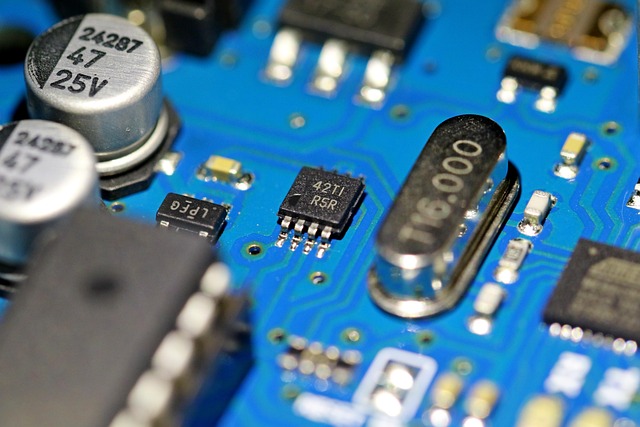
Understanding the Lifecycle of Modern Electronics
Electronic devices are frequently replaced long before their core systems fail. Often, it’s a degraded capacitor, worn connector, or unsupported firmware that pushes users toward new purchases. Extending the lifecycle of these products reduces material extraction and manufacturing emissions. Repairing or refurbishing relies on access to compatible components—without them, even simple fixes become impossible. A robust electronic parts store network ensures that technicians can locate precise replacements quickly, keeping older devices viable.
The Role of Electronic Parts Stores in Circular Economy
In the circular economy model, every component has residual value. Electronic parts stores serve as intermediaries connecting manufacturers who produce components with technicians who restore end products. They supply both current and legacy parts, helping prevent premature disposal. By enabling reuse and repurposing, these stores anchor sustainability within the electronics industry. Access to quality components also encourages responsible consumption habits among professionals and consumers alike.
How Electronic Parts Stores Support Device Restoration
The contribution of electronic parts suppliers extends beyond simple retail—they underpin the technical infrastructure that makes device restoration practical at scale.
Sourcing and Supplying Critical Components
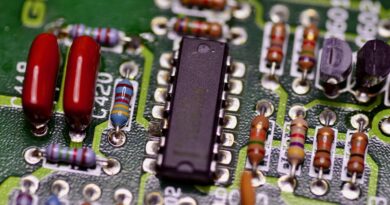
A typical electronic parts store stocks semiconductors, resistors, capacitors, connectors, microcontrollers, sensors, and other essentials required for repairs. Some specialize in sourcing legacy or discontinued parts critical for maintaining older industrial equipment or consumer electronics. Partnerships with original manufacturers help guarantee authenticity and performance reliability—a crucial factor when replacing precision components in medical instruments or aerospace systems.
The Importance of Quality Control in Component Supply
Quality control defines trust within this market. Counterfeit components can cause catastrophic failures or safety hazards. Therefore, reputable suppliers implement rigorous testing procedures aligned with ISO 9001 standards and ensure RoHS compliance to limit hazardous substances. Traceability systems record each part’s origin and batch data so technicians can verify authenticity before installation. This transparency builds long-term confidence between suppliers and repair professionals.
Technical Challenges in Reviving Electronic Devices
Repairing modern electronics is far from straightforward; it demands both technical skill and deep component knowledge.
Compatibility Issues Between Old and New Components
When original parts are obsolete, engineers must identify substitutes with similar voltage tolerances, pin layouts, or timing parameters. Even small deviations can alter circuit behavior. Firmware dependencies further complicate replacements since some chips rely on proprietary code sequences to function correctly. Cross-reference databases and datasheets remain indispensable tools for finding safe replacements without redesigning entire circuits.
Managing Repairs at the Microcomponent Level
As circuit boards shrink, repairs increasingly occur at microscopic scales. Surface-mount technology (SMT) requires precision reflow soldering stations and microscopes to handle fine-pitch packages like BGA chips. Techniques such as reballing restore damaged solder joints on processors or memory modules. Before any replacement occurs, advanced diagnostic tools—thermal cameras, oscilloscopes, logic analyzers—help pinpoint failure points accurately to avoid unnecessary part swaps.
The Economic Impact of Electronic Parts Stores on the Repair Ecosystem
Beyond technical advantages, electronic parts stores sustain an entire repair economy that benefits small workshops as much as large enterprises.
Supporting Independent Repair Technicians and Workshops
Independent repair shops thrive when they have reliable access to affordable components. Quick sourcing reduces turnaround times while lowering dependency on OEM service centers that often charge premium rates or restrict access to spare parts. This independence fosters local entrepreneurship and keeps repair expertise circulating within communities through shared experience networks among technicians.
Enabling Cost-Efficient Refurbishment Programs for Businesses
Corporations frequently refurbish returned or outdated IT equipment instead of disposing of it outright. Bulk purchasing from electronic parts stores allows them to replace faulty modules at a fraction of new hardware costs. For large-scale refurbishment programs—common in telecom or data center sectors—this approach reduces operational expenses while supporting sustainability reporting metrics tied to ESG goals.
Sustainability Implications of Extending Gadget Lifespans
The environmental benefits of giving gadgets a second life extend well beyond individual repairs—they influence global resource efficiency trends.
Reducing E-Waste Through Component Reuse
Each repaired device diverts kilograms of waste from landfills annually while conserving rare earth metals embedded in circuit boards and magnets. Extending device lifespans aligns with international e‑waste reduction targets set by agencies like the United Nations Environment Programme (UNEP). By promoting component reuse through efficient supply chains, electronic parts stores directly contribute to these global sustainability objectives.
Encouraging Responsible Consumer Behavior Through Accessibility of Parts
When spare parts are easy to find online or locally, consumers are more likely to repair than replace broken gadgets. This accessibility nurtures a culture where maintenance becomes normal practice rather than an exception. Many suppliers also run educational programs explaining basic diagnostics or safe soldering techniques—initiatives that enhance public technical literacy while reducing throwaway habits.
Future Directions for Electronic Parts Distribution in a Sustainable Market
As digital transformation reshapes logistics and commerce, electronic component distribution is evolving toward smarter integration across platforms.
Integration of Digital Platforms for Part Identification and Procurement
AI-powered search engines now help users locate compatible components using parametric filters such as voltage range or package type within seconds. Real-time inventory tracking across multiple warehouses improves availability forecasts while predictive analytics anticipate demand spikes for obsolete components before shortages occur. These innovations streamline procurement processes across industries from consumer electronics to industrial automation.
Collaboration Between Manufacturers, Distributors, and Repair Networks
Future sustainability depends on collaboration across the entire electronics chain—from chip fabrication plants to local repair shops. Joint initiatives could standardize labeling formats under IEC guidelines so every component carries consistent identification data accessible through shared databases. Such transparency minimizes counterfeit risks while improving resilience against supply disruptions caused by geopolitical events or raw material shortages.
FAQ
Q1: Why are electronic parts stores vital for sustainable technology?
A: They provide access to authentic components that allow devices to be repaired instead of discarded, reducing e‑waste generation globally.
Q2: How do these stores verify part authenticity?
A: Through supplier certification programs following ISO standards and traceability systems documenting production batches.
Q3: What types of businesses benefit most from refurbishment programs?
A: Large enterprises managing IT assets or industrial equipment gain major cost savings by sourcing affordable replacement modules from specialized suppliers.
Q4: Are there risks when substituting obsolete components?
A: Yes; mismatched electrical parameters can damage circuits if engineers don’t cross-check datasheets carefully before installation.
Q5: How does digitalization change component distribution?
A: Online catalogs with AI-driven search tools simplify sourcing while predictive analytics help distributors manage inventory efficiently across markets.