Could An Electrolytic Capacitor Failure Trigger a Pressure Washer Recall
Pressure Washer Recall and Aluminum Electrolytic Capacitors
Electrolytic capacitors are often overlooked in pressure washer design, yet they sit at the heart of every control board and power supply. Their failure is one of the most common hidden causes behind product recalls in this category. When these components degrade, they can trigger unpredictable electrical behavior, leading to safety hazards such as overheating, short circuits, or even fire risk. For manufacturers, understanding how capacitor reliability shapes overall product safety is not optional—it’s essential for compliance and brand protection. The connection between capacitor health and system dependability defines whether a pressure washer survives years of use or ends up on a recall list.
The Connection Between Electrolytic Capacitors and Pressure Washer Reliability?
In modern pressure washers, electronic control systems regulate motor speed, manage power conversion, and maintain safety interlocks. Electrolytic capacitors play a central role in these circuits by stabilizing voltage levels and filtering noise from the power supply. Their reliability directly determines whether these functions remain consistent under varying load conditions.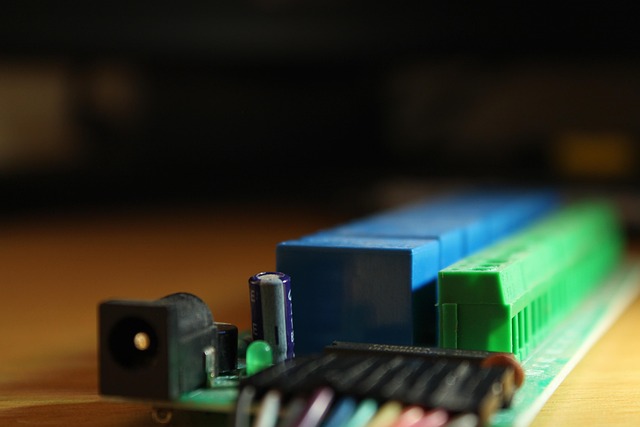
The Role of Electrolytic Capacitors in Pressure Washer Electronics
Electrolytic capacitors stabilize voltage and filter electrical noise in control circuits. They are used extensively in motor controllers, inverter boards, and low-voltage DC supplies that govern pump operation. In compact designs typical of residential washers, capacitors compensate for transient spikes caused by switching loads or fluctuating mains input. A degraded capacitor can alter timing signals or cause false triggers in protection logic, making the entire system unstable.
Common Failure Mechanisms of Aluminum Electrolytic Capacitors
Aluminum electrolytic capacitors fail primarily due to electrolyte evaporation or chemical breakdown under heat stress. High ambient temperatures accelerate this process by increasing internal pressure within the sealed canister. Overvoltage exposure can also damage the dielectric oxide layer, resulting in short circuits or open failures. Repeated ripple current overloads further degrade performance by raising equivalent series resistance (ESR), which increases self-heating and accelerates wear.
Identifying Failure Symptoms and Their Impact on Pressure Washer Functionality?
When an electrolytic capacitor begins to fail inside a pressure washer’s control board, symptoms rarely appear immediately. Instead, they manifest as intermittent faults that confuse both users and technicians.
Electrical Instability and Control Circuit Malfunctions
Fluctuating output voltage from a failing capacitor can cause erratic motor speeds or prevent startup altogether. In some cases, unstable DC rails lead to false activation of thermal protection systems even when no real overheating occurs. Such instability may also interfere with feedback loops that regulate water pressure electronically, producing inconsistent spray output or pulsation during operation.
Physical Indicators of Capacitor Failure in Field Units
Technicians inspecting failed units often find visible signs: bulging tops due to internal gas buildup or venting marks around the scored aluminum lid. Leakage of electrolyte leaves brownish residues that corrode printed circuit board traces and connectors nearby. In severe cases, overheated capacitors exhibit burn marks—evidence of localized shorting or thermal runaway events that compromise adjacent components.
Assessing Safety Risks Associated with Capacitor Failures in Pressure Washers?
Capacitor failure doesn’t just affect performance; it introduces genuine safety risks that regulators take seriously. Electrical faults within sealed enclosures can escalate quickly if unaddressed.
Potential for Electrical Hazards and Fire Risks
A shorted electrolytic capacitor can draw excessive current through copper traces not designed for sustained load, causing them to overheat. Arcing inside the control housing may ignite dust particles or plastic insulation materials used near high-voltage nodes. If isolation distances degrade due to melted insulation or conductive residue from leaked electrolyte, users may face electric shock hazards when touching metallic housings connected to ground faults.
Mechanical and Operational Consequences of Electronic Malfunctions
Beyond electrical hazards, mechanical effects can be equally dangerous. A sudden motor shutdown triggered by circuit instability might create abrupt pressure drops followed by surges when power returns—stressing hoses and fittings beyond their rated limits. If control logic fails entirely, automatic shutoff valves might remain open during idle cycles, allowing uncontrolled water discharge that could damage surrounding equipment.
Evaluating Recall Triggers Related to Component-Level Failures?
Regulatory agencies worldwide monitor consumer products for patterns indicating systemic component failures. When electrolytic capacitors are identified as root causes of hazardous incidents, manufacturers must act swiftly to evaluate recall necessity.
Regulatory Standards Governing Product Safety Recalls
Consumer product safety frameworks require prompt reporting when electronic assemblies pose fire or shock risks during normal use. Compliance with IEC 60335-1 (household appliance safety) and UL 1012 (power supply standards) is mandatory for global distribution. Post-market surveillance data often includes field failure rates of key components like electrolytic capacitors as part of reliability documentation submitted to authorities.
Criteria for Determining Recall Necessity Due to Capacitor Defects
A recall decision hinges on both frequency and severity of reported failures relative to production volume. If multiple incidents link capacitor malfunction directly to hazardous outcomes—such as smoke emission or user injury—manufacturers must initiate corrective measures immediately. These may include redesigning boards with higher-rated capacitors, replacing affected batches through service campaigns, or issuing firmware updates that reduce voltage stress during startup cycles.
Preventive Measures for Manufacturers and Suppliers?
Avoiding future recalls requires disciplined engineering practices from both OEMs and component suppliers. The focus should shift from reactive correction to proactive reliability assurance throughout design life cycles.
Improving Component Selection and Quality Assurance Processes
Selecting capacitors rated appropriately for operating temperature (typically 105 °C) and ripple current conditions is fundamental. Manufacturers should audit suppliers regularly to verify consistency in electrolyte composition and sealing quality since small variations can dramatically affect lifespan predictions. Accelerated life testing—combining thermal cycling with electrical stress—helps validate endurance claims before mass production begins.
Enhancing Design for Reliability (DfR) Practices in Pressure Washer Electronics
Design engineers increasingly incorporate DfR principles early in development stages to minimize latent defects. Improved heat dissipation layouts around high-dissipation transistors reduce local temperature gradients affecting nearby capacitors. Integrating diagnostic circuitry capable of monitoring ESR drift allows predictive maintenance alerts before catastrophic failure occurs. Applying conformal coatings protects against moisture ingress—a common issue when washers operate outdoors under humid conditions.
Future Outlook: Reliability Engineering and Risk Mitigation Strategies?
As smart maintenance technologies evolve, manufacturers gain new tools for tracking component health across deployed units.
Integration of Predictive Maintenance Technologies
Embedded sensors measuring ESR variation over time now enable continuous condition monitoring without disassembly. Predictive analytics platforms analyze this data fleet-wide to schedule servicing before degradation reaches critical thresholds—a practice already common in industrial drives but now extending into consumer appliances like pressure washers.
Collaboration Between OEMs, Component Vendors, and Regulators
Long-term improvement depends on transparent collaboration across the supply chain. Shared databases documenting capacitor reliability metrics help identify weak formulations early during qualification phases. Engaging certification bodies such as IEC committees at design inception ensures alignment between compliance requirements and actual field performance expectations—a step that reduces surprises once products reach market scale.
FAQ
Q1: Why do aluminum electrolytic capacitors fail more often than other types?
A: They rely on a liquid electrolyte that gradually evaporates under heat stress; solid polymer types avoid this but cost more.
Q2: Can a faulty capacitor cause total power loss in a pressure washer?
A: Yes, if it sits on the main DC bus or startup circuit; once its capacitance drops below threshold, voltage rails collapse instantly.
Q3: What preventive maintenance helps detect early capacitor wear?
A: Measuring ESR rise using handheld meters during scheduled service checks provides an early indicator before visible swelling appears.
Q4: Are all recalls involving capacitors due to fire hazards?
A: Not always; some recalls address intermittent shutdowns or non-compliance with electromagnetic compatibility limits rather than direct hazards.
Q5: How long should quality electrolytic capacitors last inside a pressure washer?
A: Typically between 3 000 to 10 000 hours depending on ambient temperature; every 10 °C rise above rated conditions roughly halves expected lifespan per Arrhenius aging models recognized by IEC standards.