Are Refurbished Consumer Cellular Phones Worth Buying in 2026?
Are Refurbished Consumer Cellular Phones Worth Buying?
If you are shopping for refurbished consumer cellular phones, price is only one part of the decision. The phone still has to activate on the service, work well in daily use, and come with clear support if a fault appears. For more practical device guides, you can also browse the Gadgets section. A refurbished phone can sit between a brand-new model and a random used phone from a private seller, but the details need to be checked.
Lower Upfront Cost
The main reason people look at refurbished phones is easy to understand. New phones cost a lot now, and many users do not need the latest camera chip or the fastest processor. If a new midrange phone costs about $399 and a certified returned version is $299, that $100 saving can pay for several months of phone service. That is a normal household choice, not just a tech hobby choice.
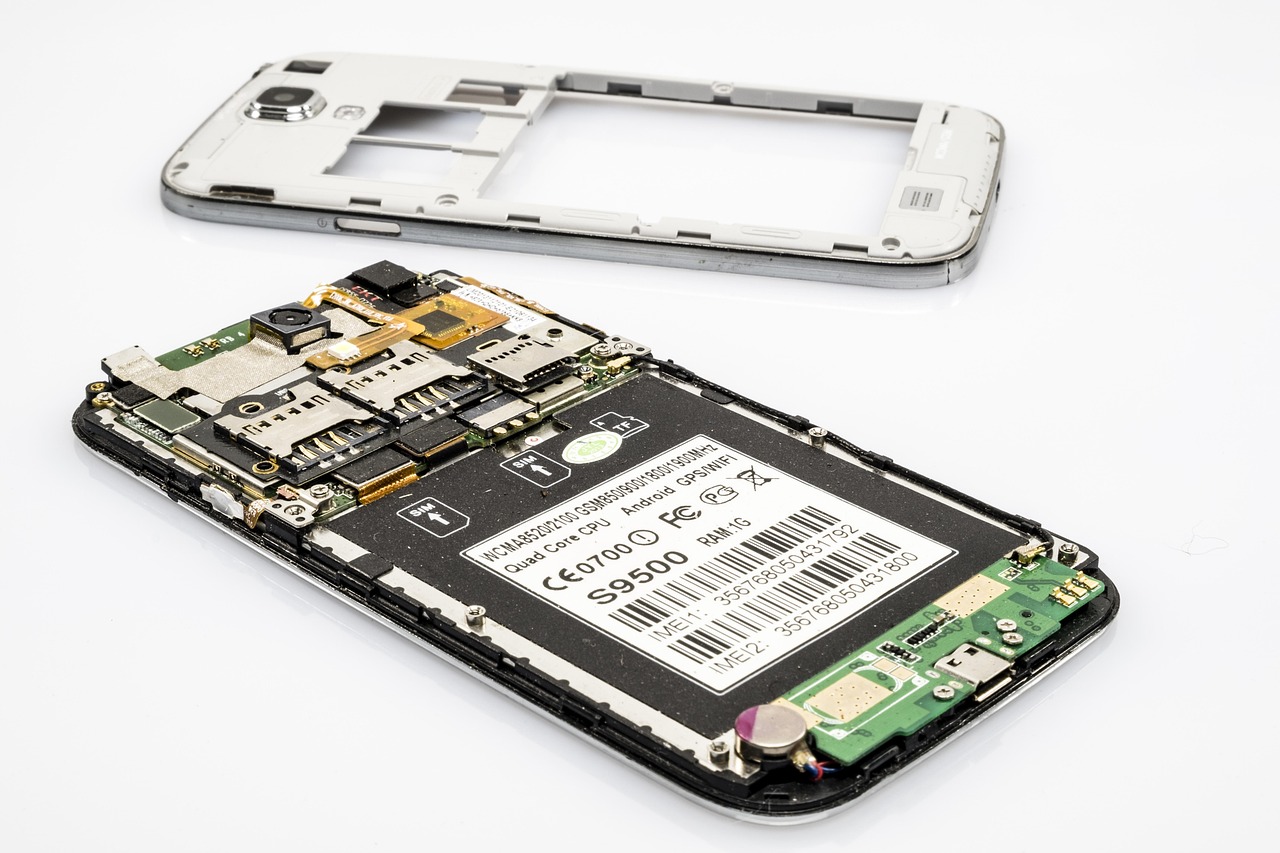
Consumer Cellular says on its own help page, accessed in July 2026, that when available it may offer a “certified risk-free returned device” during a new device purchase. The company describes these devices as discounted, supplied with a charging cord, and covered by a manufacturer warranty. That wording matters because it gives the buyer more to rely on than a no-name used phone with no paperwork.
Familiar Brands and Simple Plans
Many Consumer Cellular customers are not buying phones to win a spec sheet comparison. They may want a Samsung, Motorola, or iPhone that handles calls, text, photos, maps, banking apps, and video chats with family. A refurbished device from a familiar brand can cover those needs, especially when it is only one to three model years old.
Pew Research Center’s 2025 U.S. survey found that 98% of American adults own a cellphone of some kind and 91% own a smartphone. Among adults age 65 and older, 78% own a smartphone, while 16% own a cellphone that is not a smartphone. Those numbers help explain why a simple, reliable refurbished smartphone can be a better fit than a large flagship for many buyers.
Better Fit for Light Users
If you mainly call, text, check email, read news, take casual photos, and use a few apps, a properly tested refurbished phone can feel close to new. It may not suit heavy gaming or all-day 4K video recording. For normal daily use, a clean device with a good battery and current software support often does the work without much trouble.
There is also a small real-world point that buyers forget: hand feel. A slightly older phone may have a smaller body, a physical SIM tray, or a simpler button layout. For some users, that is not a step down. It just makes the phone easier to live with.
What Should You Check Before Buying?
A low price only helps if the phone activates cleanly and works where you live. Before you buy, check the network rules, the phone condition, and the seller promise. If you skip one of these, the deal can turn into a weekend of support calls.
Unlocked GSM Compatibility
Consumer Cellular’s help center says a bring-your-own phone must be unlocked by the previous carrier and compatible with GSM network technology. The company also points customers to a device compatibility check or customer service. This is not a small note at the bottom of the page. It is the first thing to confirm.
Before payment, ask for the exact model number, not just iPhone 13 or Galaxy A series. Regional models can support different bands, even when the phone name looks the same. If the phone is still locked to another carrier, it may not activate even if the hardware looks clean. If you already use Consumer Cellular, the company says you may be able to insert your SIM card into the new phone, but compatibility still comes first.
Battery Health and Charging
Battery condition is where many used-phone problems start. A refurbished listing should state battery health, charging behavior, and whether the battery has been replaced. For iPhones, check the battery health percentage in settings. For Android phones, ask whether the seller tested charging speed, cable connection, and shutdown behavior below 20%.
A fair rule is simple: if the battery is weak, the price needs to leave room for a replacement. Do not accept works fine as enough proof. A phone can power on and still have a worn battery that drains fast during navigation or video calls.
Clean IMEI and Return Window
The IMEI is the phone’s identity number. It should not be reported lost, stolen, blocked, financed with an unpaid balance, or tied to an account lock. Ask the seller to confirm the IMEI status before shipping. If you buy through a marketplace, use the platform’s official checks when they are available.
Read the return window line by line. Is it 14 days, 30 days, or final sale? Who pays return shipping? Are cosmetic marks excluded? No reliable public source publishes one fixed failure rate for all refurbished Consumer Cellular phones, so it is not honest to claim one risk percentage for every phone. A clear return policy is your working safety net.
How Do Certified Pre-Owned Options Compare With Regular Used Phones?
People use used, refurbished, and certified pre-owned as if they mean the same thing. They do not. The seller’s process is what decides how much confidence you should have.
Carrier-Checked Devices
A certified pre-owned or certified returned phone is usually checked against a stated process. Consumer Cellular’s public help information says its available certified risk-free returned devices include a manufacturer warranty and a charging cord. That is a better starting point than a loose phone from a drawer with no receipt.
Carrier-sold devices may also be easier when activation questions come up because the seller and service provider are connected. That does not mean every certified phone will be perfect. It does mean you have a clearer place to go if the phone will not register on the network.
Marketplace Seller Risk
Marketplace phones can cost less, and some are in very good shape. The risk is uneven testing. One seller may test the camera, speaker, microphone, Face ID, charging port, and IMEI. Another may wipe the screen, take three photos, and list it as refurbished. The same word can mean two very different standards.
If you buy from a third-party seller, look for written test results, real photos of the exact device, clear grading, and a return policy. Avoid listings that hide the model number or show stock photos only. A small scratch on the frame is usually not a problem. A vague activation history is a problem.
Warranty Differences
Warranty language matters more than clean product photos. A 90-day functional warranty is not the same as a one-year manufacturer warranty. Cosmetic grading is not the same as functional testing. Water resistance is also hard to judge because many refurbished phones may have been opened for repair, and the seals may not match factory-new condition.
When you compare offers, write down three items: warranty length, return window, and who handles repairs. If the answer is not clear, assume you may be the person left to solve the issue. That usually changes how good the price looks.
Which Features Matter Most for Daily Use?
Do not buy a refurbished phone by camera megapixels alone. For Consumer Cellular service, the best phone is the one that is compatible, comfortable, secure, and easy to keep charged. A phone with poor battery life will annoy you quickly, even if the spec sheet looks strong.
Clear Screen and Loud Speaker
Screen brightness and speaker volume matter in daily use. If you read outdoors, check that the screen is not dim or badly scratched. If you take calls on speaker, test the speaker and microphone before you decide to keep the phone.
For older users or anyone with hearing needs, check hearing-aid compatibility ratings and call clarity. A budget phone with a loud speaker can be better than a premium phone with a cracked earpiece. It sounds basic, but many buyers test the camera and forget to test real phone calls.
5G, VoLTE, and eSIM Support
At minimum, the phone should support modern voice calling such as VoLTE and the network bands needed in your area. 5G is useful if the price is close, but 4G LTE can still handle many normal tasks. The main point is not the logo in the status bar. It is stable calling, messaging, and data. See also: Components.
eSIM support can help if you switch devices often or travel. Some users still prefer a physical SIM because it feels easier to manage. If you are buying for a parent, do not ignore that preference. A small SIM tray tool in a kitchen drawer may cause less stress than a QR-code activation session.
Storage, Cameras, and Updates
For most buyers, 64 GB is the low end today. Choose 128 GB if you keep many photos, videos, podcasts, or offline maps. Cameras on recent refurbished phones are usually fine for family photos, receipts, and video calls, but you should still check for lens scratches and focus problems.
Software updates matter more than many buyers think. A phone that no longer gets security updates may still run, but it is not a good choice for banking apps or password-heavy daily use. Before buying, check the manufacturer’s current update policy for that model and avoid devices stuck on old software.
Why Can a Refurbished Phone Be a Smarter Environmental Choice?
A refurbished phone is not only about saving money. It can also reduce waste by keeping a working device in use for longer. That matters because phones contain useful materials, and global e-waste continues to grow.
Longer Device Life
Keeping a phone useful for another year or two spreads the original manufacturing impact over more time. This makes sense when the device still has a good screen, working cameras, clean storage, and a healthy battery. You are not giving up much in daily use, but you are delaying another new-device purchase.
IDC reported in its 2025 used smartphone forecast commentary that global used smartphone shipments were expected to grow 3.2% year over year in 2025, while new smartphone shipments were projected to grow 1%. IDC linked this shift to trade-in programs, better refurbished quality, and environmental awareness. The point is clear enough: second-life phones are no longer a tiny side market.
Lower E-Waste Pressure
The Global E-waste Monitor 2024, published by ITU and partners, reported that the world generated 62 billion kilograms of e-waste in 2022. Only 22.3% was documented as formally collected and recycled in an environmentally sound way. Phones are only one part of that total, but they are easy to notice because people replace them often.
Buying refurbished does not solve e-waste by itself. Still, it supports reuse, and reuse usually sits above recycling in practical waste reduction. Reuse keeps the whole device working, not just the recovered metal.
Responsible Recycling for Old Phones
When you replace a phone, do not leave the old one in a junk drawer for years. The U.S. Environmental Protection Agency’s electronics donation and recycling guidance, accessed in July 2026, says electronics contain metals, plastics, and glass that take energy to mine and manufacture. The EPA also cites a U.S. Geological Survey estimate that recycling one million cell phones can recover 35,000 pounds of copper, 772 pounds of silver, 75 pounds of gold, and 33 pounds of palladium.
Before recycling, back up your data, sign out of accounts, remove SIM and memory cards, and run a factory reset. Then use a certified recycler, retailer take-back program, or trusted donation route. This plain checklist protects your privacy and the materials inside the device.
How Can You Buy and Set Up Safely?
The safest refurbished phone purchase follows a simple process. That is not a bad thing. A few checks before and after delivery can catch most serious problems while the return window is still open.
Price Checks Before Checkout
Run the numbers before checkout, not after the box arrives. Compare the refurbished price with the new price, not just with one other used listing. If the saving is only 5% to 10%, a new phone may be worth the extra money for the fresh battery and full retail return path. If the saving is 25% to 40% and the warranty is solid, the refurbished offer becomes more interesting.
- Confirm the exact model number and storage size.
- Check that the device is unlocked and GSM compatible.
- Read the warranty and return policy before payment.
- Ask whether accessories are original, replacement, or generic.
- Keep screenshots of the listing until the return window ends.
First-Day Testing List
Test the phone on the same day it arrives. Do not wait until next weekend. Insert the SIM, make a call, send a text, use mobile data, connect Wi-Fi, pair Bluetooth, test GPS, charge to 100%, and take photos with every camera. Try the fingerprint reader or face unlock if the phone includes it.
Also check for account locks. On iPhone, confirm Find My iPhone is off before you accept the device. On Android, confirm the previous Google account is removed. A phone that looks new but cannot finish setup is not really a phone. It is a paperweight with glass.
Data Transfer and Security
After activation, update the operating system and apps before loading sensitive data. Move contacts, photos, and messages using the phone maker’s official transfer tool. Then set a strong passcode, turn on automatic updates, and add account recovery options.
If the phone is for a family member who is not comfortable with tech, keep the home screen simple. Put Phone, Messages, Camera, Maps, and Contacts where they are easy to find. Delete clutter apps. A clean setup can matter more than a faster processor.
FAQ
Q1: Are refurbished Consumer Cellular phones the same as used phones? A: Not always. A refurbished or certified returned phone should have some level of inspection, cleaning, and warranty support. A regular used phone may come with no testing or return protection.
Q2: Can any unlocked phone work with Consumer Cellular? A: No. Consumer Cellular says a bring-your-own phone must be unlocked and compatible with GSM network technology. Check the exact model before buying.
Q3: Is battery health more important than cosmetic grade? A: Usually, yes. A small scratch may not affect daily use, but a weak battery can cause problems every day. Ask for battery details before you pay.
Q4: How much storage should a refurbished phone have? A: Choose 128 GB if possible, especially if you keep many photos or videos. A 64 GB phone can work for light users, but it fills up faster.
Q5: Should you recycle your old phone after upgrading? A: Yes, if you cannot reuse, sell, or donate it safely. Back up your files, remove accounts and cards, reset the phone, and use a trusted electronics recycling route.