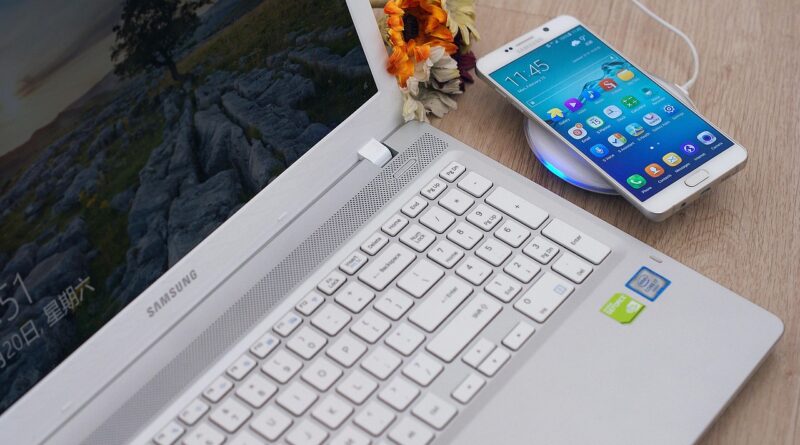
Samsung consumer electronics in 2026 and the shift to connected AI devices
Why Samsung consumer electronics matter in 2026
Samsung consumer electronics are no longer best understood as separate product lines. The company is positioning phones, TVs, appliances and home controls as parts of a connected AI environment. For buyers, that means a Samsung TV, Galaxy phone, refrigerator or washer is increasingly designed to operate through a shared interface rather than as a stand-alone product.
For the gadget industry, the shift matters because Samsung can draw on scale across smartphones, televisions, appliances, semiconductors and software at a time when many consumer electronics categories are mature and highly competitive. Samsung’s public FY2025 figures list KRW 333.6 trillion in consolidated sales, while its Device eXperience division, the consumer-facing division that includes mobile devices, TVs and appliances, accounted for KRW 188.0 trillion, or 52% of net sales.
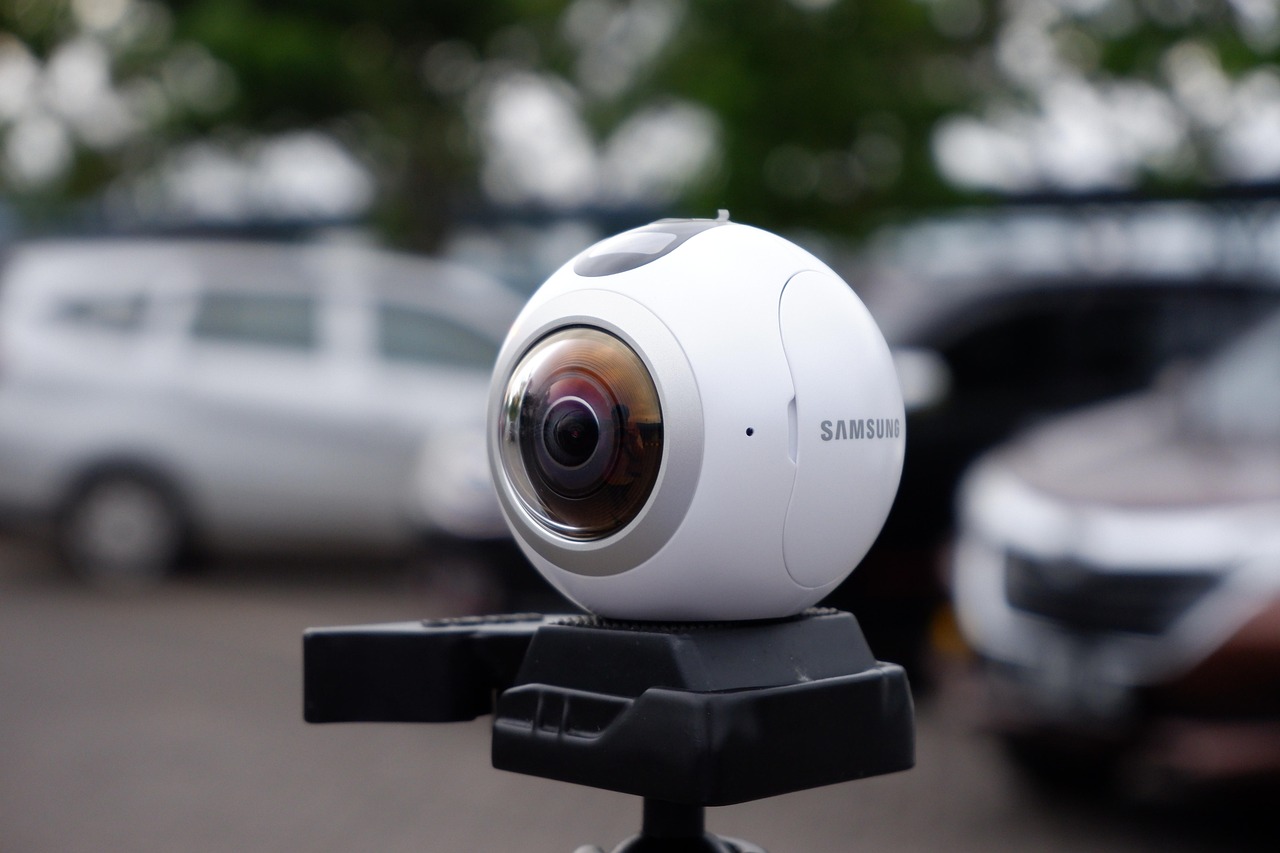
The practical direction is clear. Premium displays and mobile devices remain the commercial anchors. SmartThings is becoming the connective layer for the home. AI is being added where it can automate settings, personalize screens, manage energy use or reduce friction in everyday tasks.
The portfolio is broader than phones
Samsung is often associated first with Galaxy smartphones, but its consumer electronics footprint is much wider. Samsung Electronics organizes much of its consumer-facing hardware inside the Device eXperience division. According to Samsung’s own business descriptions, that division covers finished products such as TVs, refrigerators, washing machines, air conditioners, smartphones, network systems, computers and medical equipment.
For a Gadgets audience, the most relevant areas are Mobile eXperience, Visual Display and Digital Appliances. Mobile eXperience includes smartphones, tablets and wearables. Visual Display includes TVs, monitors and related screen products. Digital Appliances includes refrigerators, laundry, cooking appliances, dishwashers, air conditioning and connected home appliance categories.
This range gives Samsung room to design interactions across device types. A Galaxy phone can act as a controller. A TV or Smart Monitor can function as a smart home hub in certain models. A refrigerator screen can become a family dashboard. A washer, dryer or air conditioner can be monitored through SmartThings where supported. The ecosystem argument is that each device can become more useful when it works with other compatible Samsung and third-party products.
That same ecosystem approach also creates risk. A connected-device strategy only works if setup is simple, software support is reliable, privacy controls are clear and compatibility claims match real product models. Consumers should check exact model support instead of assuming that every Samsung-branded device includes every SmartThings, Matter or AI feature.
Market signals from TVs and smartphones
Samsung’s 2026 consumer electronics story is shaped by two large markets: televisions and smartphones. Both are mature categories, but they still influence brand visibility, retail traffic and ecosystem adoption.
| Area | Recent signal | Why it matters |
|---|---|---|
| Overall company scale | Samsung reported KRW 333.6 trillion in FY2025 consolidated sales and about KRW 37.8 trillion in R&D expenditure. | Large R&D capacity supports long-term work across AI, displays, chips, software and appliances. |
| Device eXperience division | Samsung’s public facts and figures table lists DX sales at KRW 188.0 trillion in 2025, or 52% of net sales. | Consumer-facing products remain a major part of Samsung Electronics even as semiconductors drive cyclical profit swings. |
| TVs | Samsung said Omdia data placed it as the global TV market revenue-share leader for the 20th consecutive year in 2025, with a 29.1% overall TV market share. | TV leadership gives Samsung a strong base for AI screens, home hubs and premium display innovation. |
| Premium TVs | The same Omdia-based Samsung announcement reported 54.3% share in TVs priced above $2,500 and 52.2% share above $1,500 in 2025. | Premium segments matter because advanced displays and AI features usually appear there first. |
| Smartphones | Counterpoint Research estimated Samsung held 19% global smartphone shipment share in 2025, while IDC’s final Q1 2026 data put Samsung at 62.4 million units and 21.2% share. | Samsung remains one of the two largest global smartphone vendors, giving it a major control point for connected device experiences. |
The smartphone data also shows why Samsung cannot rely on brand size alone. Counterpoint estimated that Apple led 2025 global smartphone shipments with 20% share, while Samsung followed at 19%. IDC’s June 23, 2026 final historical data for Q1 2026 showed the overall smartphone market down 2.9% year over year to 293.8 million units, even though Samsung and Apple were the only top-five vendors in that table to post year-over-year growth. Samsung’s mobile business remains strong, but it operates in a market where replacement cycles, memory pricing, premium demand and regional competition all affect performance.
AI is becoming the organizing layer
Samsung’s consumer electronics messaging in 2026 is heavily centered on AI. At CES 2026, Samsung presented its vision for AI living and described appliances as moving from ordinary home products toward home companions. The wording is promotional, but the direction is concrete: Samsung wants AI to connect device behavior, user context and household routines.
TVs as AI screens
In televisions, AI is not limited to voice commands. It can affect picture optimization, content discovery, accessibility, smart home dashboards and device control. Samsung’s shareholder communication for 2025 highlighted Vision AI as part of the company’s premium TV direction, alongside Neo QLED, OLED and newer display technologies.
That does not mean every buyer needs AI on a television. The more realistic value is that the TV is becoming a large, always-visible interface for the connected home. A premium TV can become a control surface for cameras, appliances, energy status, music, calls and other household functions. Whether consumers accept that role will depend on interface quality and privacy expectations, but the strategic logic is clear.
Appliances as home companions
In appliances, Samsung is applying AI to more specific jobs: food recognition, recipe suggestions, laundry optimization, energy management, maintenance alerts and remote monitoring. In early 2026 Samsung also discussed AI Vision built with Google Gemini for kitchen appliances, showing how the company is pairing its hardware with larger AI services.
The challenge is separating useful automation from novelty. A refrigerator that recognizes ingredients may be useful for some households, but not every buyer will pay extra for it. A washer that adjusts cycles, an air conditioner that follows energy targets or a dishwasher that integrates into off-peak scheduling may offer clearer everyday value. The strongest AI features are likely to be the ones that save time, reduce energy use or make device management easier without requiring constant user attention.
SmartThings is the connective tissue
SmartThings is central to Samsung’s consumer electronics strategy because it gives the company a software layer across phones, TVs, monitors, appliances, sensors and third-party smart home devices. Samsung’s own SmartThings material says certain Samsung TVs released after 2022, selected Smart Monitors, specific soundbars, Family Hub refrigerators and SmartThings hubs can include hub capabilities. Exact model and regional support vary, so buyers should verify compatibility before purchasing.
Interoperability is especially important because most homes are mixed-brand environments. Samsung supports Matter, the open smart home standard backed by a broad industry group that includes companies such as Amazon, Apple, Google and Samsung. Matter is intended to reduce compatibility friction across smart home products, although it does not make every feature universal. A device may connect through Matter while still reserving advanced settings for the manufacturer’s own app. See also: Components.
For Samsung, SmartThings has two strategic benefits. It keeps Galaxy users engaged with the broader Samsung ecosystem, and it lets Samsung appliances and TVs participate in a larger smart home rather than being limited to a single-brand setup. For consumers, the benefit is convenience, but the buying advice is cautious: check for Matter support, hub requirements, regional availability, subscription terms if applicable and whether the specific feature you want works with your exact device model.
Energy and sustainability are becoming product features
Energy efficiency is no longer just a label on an appliance box. It is becoming part of the connected-device experience. Samsung’s 2025 Sustainability Report stated that, as of the end of 2024, the DX division had reached a 93.4% renewable energy transition rate and reduced average power consumption by 31.5% compared with 2019 across seven product categories through high-efficiency energy technologies. The same report said recycled content was used in 31% of plastic parts in Samsung products as of 2024, and that Samsung operated e-waste collection programs in about 80 countries.
These figures should be read carefully. They are company-reported sustainability metrics, not independent product reviews, and some refer to 2024 performance rather than 2026 results. Still, they help explain why connected energy tools are becoming part of Samsung’s device pitch. SmartThings Energy and AI Energy Mode are designed to help users monitor consumption and, on supported products, adjust settings to reduce usage.
For households, the important question is not whether a product has an AI label. The question is whether it can show understandable energy data, automate sensible settings and avoid sacrificing performance in ways that frustrate users. For the industry, energy-aware appliances could become more important as utilities, regulators and consumers focus on peak demand, electricity costs and sustainability claims.
What this means for buyers and the gadget market
The shift in Samsung consumer electronics has several practical implications.
- Buying a single device is becoming an ecosystem decision. A Samsung TV, phone or appliance may be more useful if the household already uses SmartThings or Galaxy devices.
- Model verification matters more than brand recognition. AI features, Matter support, hub functions and energy tools vary by product line, year and region.
- Premium features will continue to appear first at higher price points. Samsung’s strength in premium TVs suggests that advanced screens and AI interfaces will often launch in flagship models before spreading downward.
- Software support is part of product value. The usefulness of connected appliances depends on app quality, updates, security, compatibility and long-term service reliability.
- AI needs to prove everyday value. Consumers are more likely to accept AI features that save time, lower energy use, improve accessibility or make setup easier.
Samsung’s advantage is breadth. Few electronics companies can combine smartphones, TVs, appliances, displays, memory, sensors, software and smart home infrastructure at comparable scale. Its challenge is focus. Too many overlapping features can confuse buyers, and smart home ecosystems still face friction when devices, standards and apps do not align perfectly.
In 2026, the most useful way to understand Samsung’s consumer electronics direction is not to ask which single gadget is most advanced. The better question is how well Samsung can make its devices work together in ordinary homes. If the company can make AI and SmartThings feel practical rather than decorative, its consumer electronics portfolio will remain highly relevant in the next phase of connected living.
Frequently asked questions
What are Samsung consumer electronics?
Samsung consumer electronics generally refers to the company’s consumer-facing products, including Galaxy mobile devices, TVs, monitors, home appliances, sound-related devices and connected home products. Within Samsung Electronics, many of these products sit inside the Device eXperience division.
Is Samsung still a major TV brand in 2026?
Yes. Based on Samsung’s March 2026 announcement citing Omdia data, the company held the global TV market revenue-share lead for the 20th consecutive year in 2025, with a reported 29.1% overall TV market share.
How important is SmartThings to Samsung devices?
SmartThings is important because it connects supported Samsung devices and many third-party smart home products. It can be used for device control, automation, energy monitoring and Matter-compatible smart home setups, but support depends on the exact product and region.
Does every Samsung appliance include AI features?
No. AI features vary by product category, model year, price tier and country. Buyers should check the specification page for the exact appliance model rather than assuming that all Samsung appliances include AI Energy Mode, AI Vision or full SmartThings support.
Why is Samsung adding AI to home appliances and TVs?
Samsung is adding AI to make devices more adaptive and easier to manage. In practice, the strongest uses include picture optimization, energy management, food and laundry assistance, smart home control, accessibility and personalized recommendations.