
How Did the Las Vegas CES Convention Reach Nearly 150000 Attendees This Year
Attendance for CES in Las Vegas Rose to Nearly 150,000
The latest Las Vegas CES convention drew close to 150,000 attendees, signaling a strong rebound for global technology events. This surge was driven by post-pandemic recovery, expanded exhibitor categories, and renewed corporate interest in physical engagement. CES has reasserted its role as a central hub for unveiling innovation and shaping annual tech trends. The event’s scale highlights how in-person conventions are regaining strategic importance across the technology ecosystem.
Overview of CES and Its Growing Global Influence
The Consumer Electronics Show (CES) has long been regarded as a barometer for global technology trends. Its expansion over decades reveals not just the evolution of consumer electronics but also the shifting dynamics of innovation ecosystems worldwide.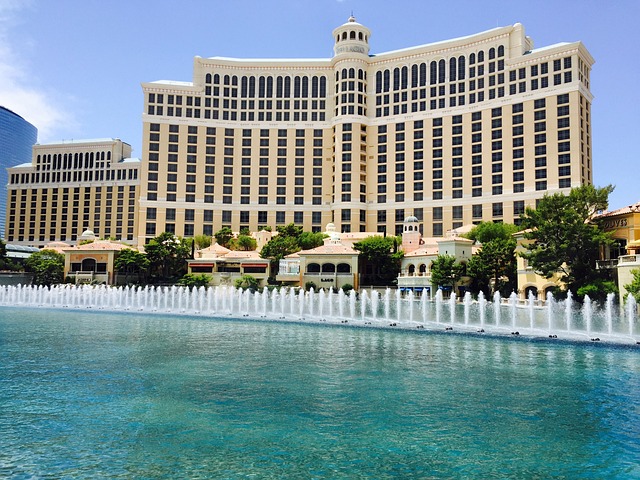
The Evolution of the Las Vegas CES Convention
When CES debuted in 1967, it was a modest trade show featuring radio and television equipment. Over time, it transformed into a global showcase where industries from automotive to artificial intelligence converge. The Las Vegas venue became synonymous with this transformation due to its unmatched capacity to host mega-events. The city’s infrastructure—spanning large exhibition halls, hotel capacity, and transport connectivity—made it an enduring home for CES.
Strategic Importance of CES in the Tech Industry
CES functions as a launchpad for emerging technologies and partnerships that often define the year ahead. Major corporations unveil flagship innovations while startups use the platform to secure funding or visibility. Because it occurs each January, CES effectively sets the tone for product roadmaps and investment priorities across sectors ranging from digital health to smart mobility.
Factors Behind the Surge to Nearly 150,000 Attendees
The near-150,000 attendance figure reflects more than pent-up demand; it demonstrates renewed confidence in physical gatherings as engines of innovation exchange.
Post-Pandemic Recovery and Renewed Demand for In-Person Events
After several years dominated by virtual or hybrid formats, professionals sought direct interaction again. Many companies prioritized being physically present to rebuild brand recognition and reconnect with partners. As international travel restrictions eased, delegations from Asia-Pacific and Europe returned in force, adding a distinctly global flavor missing during pandemic years.
Expansion of Exhibitor Categories and Industry Verticals
CES’s thematic diversification played a major role in attracting new audiences. Beyond traditional consumer electronics, exhibitors showcased sustainability solutions, AI-driven analytics tools, autonomous vehicles, and health technologies. This cross-pollination between industries encouraged collaboration among sectors that previously had little overlap—an appealing prospect for investors scouting interdisciplinary opportunities.
Cross-Industry Collaboration Attracting Professionals from Diverse Backgrounds
The inclusion of new verticals created synergy across industries such as energy storage meeting automotive design or healthcare intersecting with wearable tech. These intersections made CES not just an exhibition but a living laboratory where ideas could be tested against market realities.
The Role of Marketing, Partnerships, and Media Coverage
Behind every successful convention lies meticulous coordination among organizers, sponsors, and media partners who amplify its reach far beyond the exhibition floor.
Global Marketing Campaigns Driving Attendance Growth
Targeted digital campaigns highlighted innovation themes while emphasizing experiential engagement rather than product promotion alone. Professional networks helped spread awareness months before opening day. Collaborations with leading tech media outlets brought global attention through live broadcasts and interviews with industry leaders.
Strategic Collaborations Between Organizers and Industry Stakeholders
Corporate sponsorships provided logistical muscle that allowed CES to scale without compromising attendee experience. Partnerships with international trade bodies enabled coordinated participation from multiple countries through official delegations. Joint initiatives with universities added academic depth through research showcases and student innovation challenges.
Infrastructure, Logistics, and Experience Design in Las Vegas
Las Vegas’s ability to host events on this scale is no coincidence—it is built into the city’s DNA.
How Las Vegas Supports Mega Conventions Like CES
The Las Vegas Convention Center offers millions of square feet of exhibit space connected by efficient transport systems including monorails and shuttle networks. Nearby hotels accommodate tens of thousands of guests within walking distance. City authorities coordinate closely with event organizers on traffic management and security protocols to maintain seamless operations throughout the week-long event period.
Enhancing Attendee Experience Through Technology Integration
Digital check-in systems minimized wait times while mobile navigation apps guided visitors across sprawling venues efficiently. Interactive installations—such as AR-driven product demos or immersive sound chambers—transformed booths into experiences rather than static displays. These enhancements contributed significantly to attendee satisfaction scores reported by organizers afterward.
Emerging Trends Observed During This Year’s CES Attendance Growth
Beyond raw numbers, this year’s attendance revealed deeper structural shifts in how global technology communities interact at large-scale events.
Increased Presence of International Delegations and Startups
Delegations from South Korea, Japan, Germany, and the UAE marked increased representation compared with pre-pandemic levels. Startup zones like Eureka Park featured hundreds of early-stage ventures pitching prototypes ranging from robotics to climate-tech solutions. Investors used these zones as scouting grounds for next-generation disruptors poised for acquisition or partnership deals.
Hybrid Engagement Models Complementing Physical Attendance
While physical presence dominated headlines, virtual components continued playing a supporting role. Remote participants accessed live streams or replayed keynote sessions afterward through official platforms—extending engagement well beyond those physically present in Nevada. Data collected from these hybrid systems offered valuable insights into audience behavior that will inform future editions’ planning strategies.
Implications for Future Global Tech Conferences
CES’s resurgence offers lessons applicable far beyond Las Vegas about how major conventions can adapt amid shifting professional expectations.
Lessons from CES Attendance Growth for Other Events
Events seeking similar growth should diversify their content themes to appeal across multiple professional communities instead of focusing narrowly on one niche sector. Balancing physical spectacle with digital accessibility expands reach without diluting quality engagement. Moreover, partnerships between host cities, industry associations, and media entities form the backbone of sustainable expansion models seen at CES.
Anticipating Next Year’s Trends in Convention Participation
Looking ahead, hybrid accessibility will likely remain integral as organizers refine ways to merge live interaction with remote participation seamlessly. Sustainability practices—from carbon offset programs to recyclable booth materials—may emerge as central planning pillars given growing environmental scrutiny within corporate travel policies. Finally, data-driven personalization could redefine attendee experiences: customized schedules based on interests may replace static agendas altogether.
FAQ
Q1: Why did attendance at the Las Vegas CES convention rise so sharply?
A: The increase stemmed from post-pandemic recovery combined with broader exhibitor diversity and stronger international participation once travel restrictions lifted.
Q2: What makes Las Vegas ideal for hosting CES?
A: Its extensive convention infrastructure, proximity between venues and hotels, plus robust logistics support make it uniquely capable of handling events exceeding 100,000 visitors efficiently.
Q3: How did hybrid participation influence overall engagement?
A: Hybrid access extended reach globally by allowing remote professionals to join virtually while maintaining strong onsite networking value for those attending physically.
Q4: Which industries saw greater representation at this year’s event?
A: Sectors like sustainability technology, health innovation, AI applications, mobility solutions, and digital entertainment each expanded their footprint significantly compared with previous years.
Q5: What trends might shape future editions of CES?
A: Expect continued hybrid integration, deeper sustainability commitments across exhibitors and organizers alike, plus increased use of analytics to personalize attendee journeys dynamically within large-scale conventions like CES.