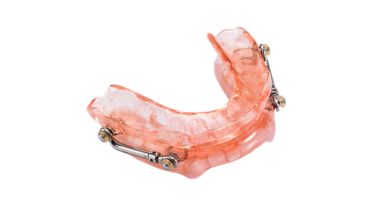
Eddie by Giddy reviews and what buyers should know before trying it
Quick verdict
Eddie by Giddy reviews are most useful when read as feedback on a niche erectile dysfunction support device, not as evidence of a universal ED solution. Eddie may make sense for men who can get an erection but have trouble maintaining firmness, particularly when venous outflow is part of the problem. It is less likely to be enough on its own if the main issue is poor blood inflow, low desire, medication side effects, hormonal factors, anxiety, or an undiagnosed cardiovascular condition.
The strongest argument for Eddie is its targeted design: a U-shaped wearable constriction device intended to slow blood leaving the penis while avoiding some comfort issues associated with traditional circular rings. The main cautions are sizing, price, the learning curve, replacement parts, and the strict safety rule that constriction devices should not be worn for prolonged periods. For more product analysis, visit our Reviews section.

What is Eddie by Giddy?
Eddie by Giddy is a wearable, over-the-counter external penile rigidity device sold for erectile dysfunction support. It is not a pill, pump, implant, app-connected gadget, or electronic stimulator. It is a passive mechanical device worn around the base of the penis with a tension band. The basic purpose is to allow blood to enter the penis during arousal and then reduce venous outflow so firmness lasts longer.
Public FDA device records list Eddie by Giddy under Giddy Holdings, Inc. as an over-the-counter external penile rigidity device with product code LKY. Those records also identify it as a penile ring used for the management of ED by helping maintain an erection adequate for intercourse. This distinction matters. Phrases such as FDA registered or Class II medical device should not be read as meaning the FDA reviewed Eddie in the same way it reviews a new prescription drug, or that the device is FDA-approved for every buyer’s situation.
The manufacturer describes Eddie as a U-shaped or horseshoe-style device rather than a full circular ring. The stated benefit of this shape is more targeted pressure while leaving space around the urethra. The product is sold in multiple sizes, and the manufacturer emphasizes fit: a device that is too loose may do little, while one that is too tight may be uncomfortable or unsafe. As checked on September 21, 2026, the manufacturer’s product page listed a single Eddie device at $188. Buyers should still confirm current pricing, replacement band costs, refund terms, and resizing policies before ordering.
What public reviews tend to praise and criticize
Public Eddie by Giddy reviews are mixed, which is not surprising for a device whose usefulness depends on anatomy, ED cause, fit, technique, and expectations. Positive reviews commonly mention firmer erections, easier maintenance after arousal, more comfort than rigid metal rings, and interest in a non-drug option. Negative reviews often focus on sizing problems, pinching, cost, bands wearing out, difficulty putting the device on, or disappointment when Eddie does not create an erection by itself.
| Common review theme | What it means for buyers |
|---|---|
| Works when sized correctly | Fit is central. Too loose may do little; too tight can increase discomfort and injury risk. |
| More comfortable than some rings | The U-shaped design may appeal to users who dislike full circular constriction rings, but comfort is personal. |
| Does not replace arousal | Eddie is meant to help maintain firmness, not automatically produce an erection. |
| Cost is a frequent complaint | The upfront price is higher than many standard rings, and replacement bands may add ongoing cost. |
| Learning curve matters | Some users report needing several attempts to find the right placement and tension. |
The useful takeaway is not that Eddie always works or never works. Reviews point to a narrower use case: a user who can become aroused and achieve at least some erection, but wants help maintaining rigidity long enough for sex.
Evidence and regulation to understand
Several public sources help put Eddie by Giddy in context. The FDA’s public device database lists Eddie as an over-the-counter external penile rigidity device and shows it is exempt from premarket submission. That supports its placement in a regulated medical device category, but it should not be interpreted as the kind of efficacy review consumers may associate with approval of a new prescription drug.
A relevant peer-reviewed comparison was published in The Journal of Sexual Medicine in January 2025. In that randomized crossover survey study, 50 men were enrolled and 49 completed the study. Participants tried two medical-grade penile constriction devices, Eddie by Giddy and FirmTech, during a two-week timeframe. The study reported that 80% of participants would recommend FirmTech compared with 53% for Eddie by Giddy. It also reported that Eddie was perceived to improve erectile firmness more among participants with ED than among those without ED. The limitations are important: it was a single-center, patient-reported study, and participants used each device only a small number of times.
That study does not prove Eddie is ineffective. A more balanced reading is that Eddie may help firmness for some men with ED, but it may not be the easiest or most preferred device for every user. For shoppers comparing ED rings, that is more useful than relying on star ratings alone.
Safety, fit, and when to talk with a clinician
Safety is the part of Eddie by Giddy reviews buyers should not skip. Constriction devices work by limiting blood outflow, so prolonged or excessive constriction can be harmful. FDA guidance for external penile rigidity devices says labeling for constriction rings should warn against falling asleep while wearing one and should limit use to no longer than 30 minutes per session, with time between uses. Mayo Clinic patient guidance for tension rings used with penis pumps gives the same practical warning: do not leave a tension ring in place for more than 30 minutes because cutting off blood flow too long may injure the penis.
Buyers should be especially cautious if they have Peyronie’s disease, a history of priapism, urethral stricture, bleeding disorders, anticoagulant use, reduced genital sensation, significant penile pain, or recent pelvic or urologic surgery. ED can also be an early sign of diabetes, high blood pressure, cardiovascular disease, or other medical conditions. The American Urological Association guideline advises that men with ED should be told ED may be a risk marker for underlying cardiovascular disease and other health conditions that may warrant evaluation.
The FDA’s MAUDE adverse event database includes at least one report involving bruising or hematomas after use of a Giddy external penile rigidity device. MAUDE reports are safety signals and do not prove causation by themselves, but they reinforce a practical point: use the least constrictive fit that works, stop if there is pain or discoloration, and seek urgent medical help if a device becomes stuck or symptoms are severe. See also: Gadgets.
Who may be a reasonable fit for Eddie
Eddie may be worth considering if you want a non-drug, over-the-counter device and already understand that ED devices are not one-size-fits-all. It may be most relevant for users who can get an erection with stimulation but lose firmness too quickly. It may also interest people who cannot use PDE5 inhibitor medications such as sildenafil or tadalafil because of contraindications, side effects, or clinician advice.
- Better fit: users who can achieve partial or full erections but need help maintaining rigidity.
- Possible fit: users combining a device with clinician-approved ED medication or a vacuum erection device.
- Poor fit: users expecting the device to create an erection without arousal or adequate blood inflow.
- Use caution: users with pain, penile curvature, bruising tendency, blood-thinning medication, or unclear ED cause.
Men with new, worsening, or unexplained ED should not treat the symptom as only a bedroom inconvenience. A device may help performance, but it does not diagnose or treat cardiovascular, endocrine, neurological, or psychological causes.
How Eddie compares with other ED options
Eddie sits between simple consumer rings and more established medical ED treatments. It is more specialized than a basic ring, less invasive than injections or implants, and different from a vacuum pump because it does not draw blood into the penis. That distinction is important for expectations.
| Option | Main role | Key limitation |
|---|---|---|
| Eddie by Giddy | Helps maintain firmness by reducing venous outflow | Requires correct fit and does not create arousal or blood inflow by itself |
| Standard constriction ring | Low-cost mechanical support | May be less comfortable, less adjustable, or more likely to block the urethra depending on design |
| Vacuum erection device | Uses vacuum pressure to draw blood into the penis, then a ring helps maintain it | Can feel mechanical and requires setup; bruising or discomfort can occur |
| PDE5 inhibitor medication | Improves erectile response for many men by affecting blood-flow signaling | Not suitable for everyone, especially with nitrate medications or some heart conditions |
| Injections or implants | Used when less invasive options fail or are unsuitable | Require medical supervision and carry higher commitment or procedural risk |
The practical question is not whether Eddie is better than every alternative. It is whether its tradeoff fits the problem. If the primary issue is maintaining an erection, a constriction device may be relevant. If the primary issue is achieving one, a pump, medication, medical evaluation, or a combination approach may be more appropriate.
Buying checklist before ordering
- Confirm your goal. Are you trying to maintain firmness, or are you unable to get an erection at all?
- Check sizing carefully. Follow current manufacturer sizing instructions and avoid guessing if measurements are required.
- Review replacement costs. Bands and device wear can affect long-term value.
- Read return and resizing terms. Policies for intimate medical devices can differ from ordinary consumer electronics.
- Plan safe use. Do not wear a constriction device beyond recommended time limits, and stop if pain, numbness, swelling, or unusual discoloration occurs.
- Talk with a clinician. This is especially important if ED is new, sudden, worsening, or associated with diabetes, heart disease, high blood pressure, pelvic surgery, or medication changes.
Frequently asked questions
Is Eddie by Giddy FDA approved?
Public FDA records list Eddie as an over-the-counter external penile rigidity device, but buyers should not interpret that as the same thing as FDA approval of a drug. In plain terms, Eddie is in a regulated device category; that does not guarantee it will work for every user.
Does Eddie by Giddy give you an erection?
No. Eddie is designed to help maintain an erection by limiting blood leaving the penis. It still depends on arousal and enough blood flow into the penis. If you cannot get an erection at all, Eddie is unlikely to solve the problem by itself.
How long can you wear Eddie?
Constriction devices should not be worn for prolonged periods. FDA guidance and major medical patient resources commonly use 30 minutes as the maximum wear time for tension rings. Remove the device sooner if there is pain, numbness, swelling, coldness, or color change.
Is Eddie worth the price?
It may be worth considering if your main issue is maintaining firmness and you value a purpose-built, non-drug device. It may feel expensive if you mainly need a basic ring, if sizing takes trial and error, or if replacement bands become a recurring cost.
What is the biggest risk in relying on reviews?
The biggest risk is assuming another buyer’s result will predict yours. ED has many possible causes, and a constriction device addresses only one part of the erection process. Reviews are helpful for comfort and usability clues, but medical evaluation matters when symptoms are persistent or new.