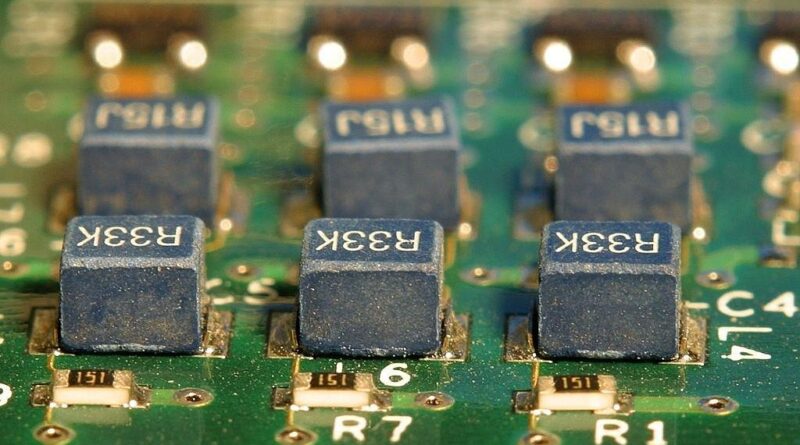
What Are Passive Electrical Components and Why Do They Still Decide Circuit Reliability
What Are Passive Electrical Components?
If you design, source, or repair electronics, passive electrical components are the small parts that help active ICs work the way the circuit designer planned. You find them in phone chargers, motor drives, routers, LED lights, thermostats, and battery packs. In the Components market, they are not just low-cost items around the main chip. They control current, store charge, reduce noise, and protect boards when the electrical environment gets rough.
TE Connectivity describes a passive component as a device that can receive energy and then dissipate, absorb, or store it. Its examples include resistors, capacitors, inductors, and transformers. That is a practical rule for daily engineering and sourcing work: if the part cannot make signal gain by itself, its job is to manage energy that is already in the circuit. (te.com)
Parts That Do Not Add Gain
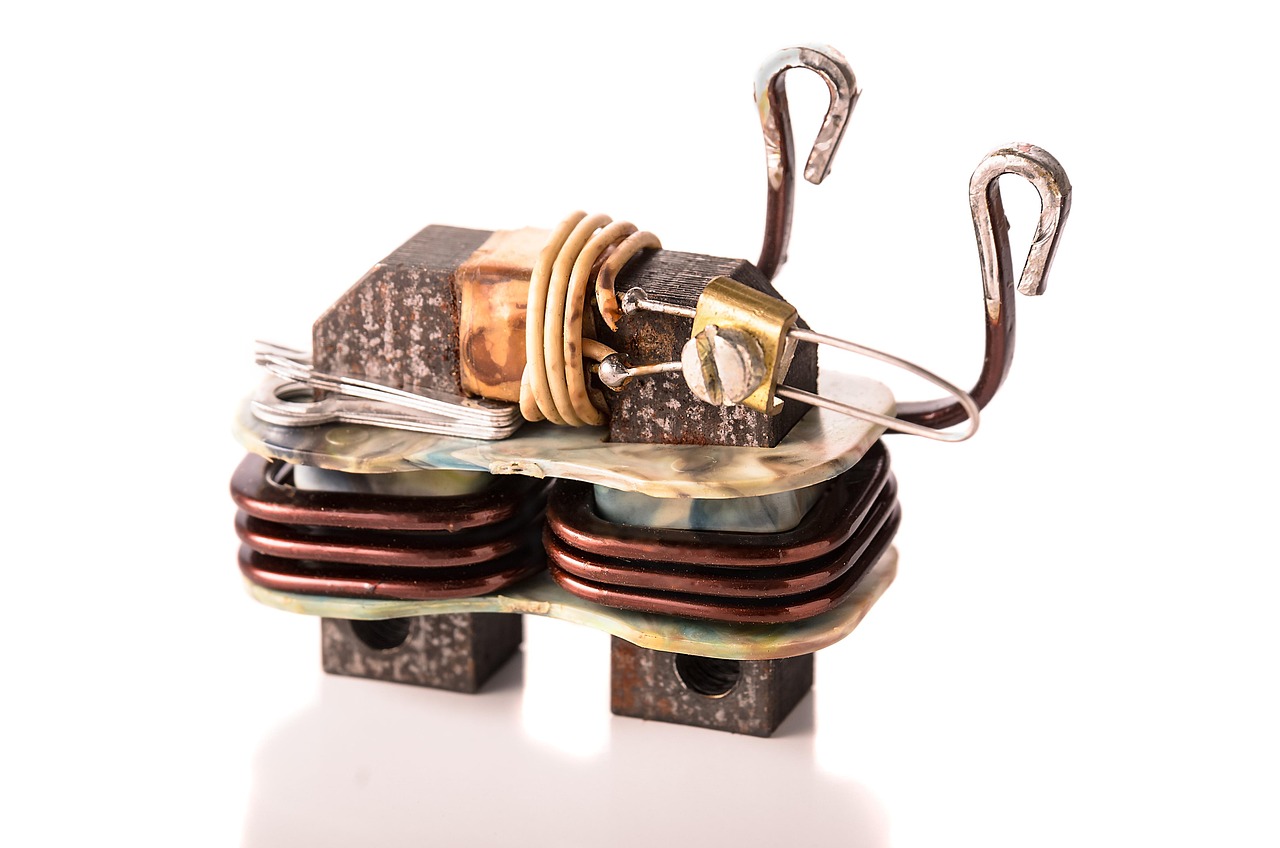
A transistor can switch or amplify. An op amp can lift a small sensor signal. A passive part does not do that on its own, and this is the main difference. A resistor drops voltage and limits current. A capacitor stores electric charge. An inductor stores magnetic energy and resists a quick current change. These parts look simple on a schematic, but their effect on the board is not small.
Energy Storage and Dissipation
Passive parts either hold energy for a short time or turn it into heat. That sounds plain until a 5 V rail drops during wireless transmission, or a motor driver sends noise back into the board. In that moment, the right capacitor, ferrite bead, or resistor value is not a detail. It can decide whether the product passes testing or keeps resetting on the bench.
The RCL Core
Most working circuits begin with R, C, and L: resistance, capacitance, and inductance. After that, designers add transformers, fuses, thermistors, varistors, filters, and ferrites when the application needs them. Together, these parts form the main passive family used in everyday products. They build timing networks, filters, dividers, pull-ups, snubbers, impedance matching paths, and safety barriers.
Why Do Passive Components Matter So Much in Real Circuits?
A modern board may be sold around its processor, display, wireless chip, or power device, but the passive network around those parts decides how the board behaves in real use. WSTS reported in March 2026 that the global semiconductor market grew 26% in 2025 to USD 796 billion. This number is not passive component revenue, but it shows how many electronic systems are being built around active silicon. The point is easy to see in factory and design work: as active electronics become faster and denser, passive parts face tighter electrical and mechanical limits. (wsts.org)
Noise Starts Small
Noise often starts with a small switching edge, a loop that is too large, or a missing bypass capacitor. A 100 nF ceramic capacitor close to a microcontroller power pin is common because it gives fast local charge. The power plane and regulator cannot always react quickly enough on their own. If the capacitor is placed too far away, the value may still be right, but the circuit result can be wrong.
Power Rails Need Local Help
Regulators do not carry the whole job by themselves. Input capacitors deal with cable and battery impedance. Output capacitors help when the load changes. Resistor dividers set feedback voltage, and inductors carry ripple current in buck converters. A low-cost inductor with high DC resistance can run hot, waste power, and limit load current, even if the schematic looks acceptable.
Tiny Parts Affect Yield
Small passive parts also affect production yield. A 0201 capacitor saves board area, but it needs tighter placement accuracy, better solder paste control, proper inspection, and more careful rework. In a prototype lab, fixing one part by hand is only a delay. In a batch of 20,000 units, the same issue can hit cost, delivery, and customer confidence.
Which Passive Components Should You Know First?
You do not need to remember every catalog series at the start. It is better to learn what each part does in an actual product. A resistor is not only a number of ohms. A capacitor is not only a capacitance value. An inductor is not only a coil. Each one has limits that matter when temperature, frequency, voltage, size, and cost start to push the design.
Resistors Set Current and Signals
Resistors limit LED current, pull logic pins to known states, divide voltage for ADC inputs, set amplifier gain, and sense current. In purchasing work, thick film chip resistors appear everywhere because they are low cost and easy to source. In precision circuits, thin film or foil types may be needed because drift and noise can become part of the measurement error.
Capacitors Hold Charge and Shape Timing
Capacitors smooth power rails, block DC, pass AC, form timing circuits, reduce ripple, and help filters work. Ceramic capacitors are small and fast. Aluminum electrolytics give higher bulk capacitance. Film capacitors are often chosen when stability, ripple current, or high voltage matters. There is no single best capacitor for every job. The better choice is the one that fits the circuit conditions.
Inductors Fight Current Change
Inductors are used in DC-DC converters, EMI filters, RF matching networks, and common mode chokes. They resist sudden current change, which is useful for power conversion and filtering. The main risk is saturation. If load current pushes the core too hard, inductance drops, ripple increases, and the part can heat faster than expected.
How Do Specifications Change Your Part Choice?
The value shown in a schematic is only the first step. Real components have tolerance, temperature drift, voltage behavior, frequency behavior, parasitic resistance, parasitic inductance, package stress, and aging. A sound part choice comes from checking the working conditions, not just the headline value in the catalog.
Resistance Tolerance and TCR
Tolerance tells you the starting error. Temperature coefficient of resistance, or TCR, tells you how much the value changes when temperature changes. A Vishay technical paper compares resistor materials and lists, for the +25 °C to +125 °C range, thick film at about +100 ppm/°C, thin film at about +10 ppm/°C, and foil near +1 ppm/°C in its table. In simple terms, a low-cost 1% resistor can be fine for an LED. It may not be good enough for a high accuracy sensor front end. (vishay.com)
Effective Capacitance Under Bias
Ceramic capacitor labels can confuse new buyers. A part marked 10 µF may not behave like 10 µF after DC voltage is applied. Murata explains that high dielectric constant ceramic capacitors, including X5R, X6S, and X7R types, can change capacitance under DC bias. For a 3.3 V regulator, you need to check effective capacitance at the working voltage. The nominal capacitance on the catalog line is not enough by itself. (murata.com)
Inductor Saturation and DCR
Inductors need checks on saturation current, heating current, DC resistance, shielding, and core material. Lower DCR usually means less heat. It can also mean a larger body or a higher price. Shielded inductors help nearby circuits by reducing magnetic field spread. In compact IoT products, that small gray block can affect battery life and radio stability more than buyers expect. See also: Gadgets.
Where Do Passive Components Fail in the Real World?
Failure is not always obvious. A resistor may drift, a ceramic capacitor may crack, an electrolytic may dry out, or a surge part may weaken after repeated hits. Automotive and industrial designs treat this seriously because heat, vibration, humidity, and voltage spikes are normal working conditions. They are not rare events in the field.
Heat Ages Every Part
Heat speeds up aging. Resistors can change value, electrolytic capacitors lose life, plastics discolor, solder joints fatigue, and nearby hot parts can cook components that looked safe by themselves. This is why layout matters. A capacitor placed next to a hot MOSFET may meet every datasheet limit on paper. In the finished product, it may still age badly.
Mechanical Stress Cracks Ceramics
Multilayer ceramic capacitors are reliable in normal use, but board flex can crack them. Long boards, snap-off panels, screw holes, and connector insertion forces all create stress. If a capacitor sits near a board edge or a mounting hole, give it more clearance if the layout allows it. Soft termination, a different orientation, or another package style can also reduce the cracking risk.
Surges Expose Weak Margins
Surges, electrostatic discharge, and inductive kickback test passive margins very quickly. The Automotive Electronics Council lists AEC-Q200 as a stress test qualification document for passive components, which shows how seriously the industry treats passive reliability under hard conditions. Even if your product is not automotive, the same thinking is useful. Qualify the part for the working environment, not just the neatest line in the BOM. (aecouncil.com)
How Should You Choose Passive Electrical Components for a BOM?
Choosing passive electrical components is both circuit work and supply work. You need the right electrical behavior, a package your factory can place, a supplier base that can ship, and enough margin for field use. These line items may look boring, but they appear many times across one board. A small mistake can repeat across the whole build.
Start With Circuit Function
Write down the job before selecting the part. Is the resistor setting gain, sensing current, discharging a capacitor, or pulling a logic pin? Is the capacitor for bulk energy, high frequency bypassing, timing, coupling, or safety isolation? Is the inductor filtering noise or storing power in a converter? The function points you toward the right technology before you spend time comparing part numbers.
Check Derating and Packages
Derating means using a part below its maximum stress. For capacitors, check voltage, ripple current, temperature, and real capacitance. For resistors, check power, pulse load, tolerance, and TCR. For inductors, check saturation, heating, and DCR. Then look at package size, because a part that saves 1 mm may create hours of assembly trouble if your factory is not set up for it.
Keep Approved Alternates
A practical BOM usually includes alternates. Choose parts with common values, standard footprints, and more than one approved manufacturer when the design allows it. This does not mean swapping parts without review. It means checking the same real limits each time: dielectric, tolerance, voltage rating, impedance, current rating, temperature grade, and reliability level.
- Use nominal value only as the first filter, not the final choice.
- Read graphs for capacitance, impedance, current, and temperature behavior.
- Place decoupling capacitors close to the pins they serve.
- Keep high current loops short in switching power circuits.
- Ask the assembler about package limits before shrinking every part.
FAQ
Q1: What Are Passive Electrical Components? A: Passive electrical components are parts that store, dissipate, absorb, or transfer electrical energy without creating signal gain by themselves. Common examples include resistors, capacitors, inductors, transformers, ferrites, thermistors, and protection parts.
Q2: Are Passive Components Less Important Than ICs? A: No. ICs may handle the main processing or switching, but passive parts set bias, filter noise, store local energy, shape timing, and protect circuits. A poor passive choice can make a good IC look unreliable.
Q3: Why Does a Ceramic Capacitor Lose Capacitance in Use? A: Many high dielectric ceramic capacitors change capacitance when DC voltage is applied. Temperature and aging can also affect them. Always check effective capacitance under the actual working voltage.
Q4: What Specs Matter Most for Resistors? A: Start with resistance value and tolerance, then check power rating, TCR, voltage rating, pulse load, noise, package size, and long-term stability. Precision circuits often need more than a standard thick film resistor.
Q5: How Can You Reduce Passive Component Risk in Production? A: Use proven packages, add sensible derating, place parts carefully, keep approved alternates, and review supplier availability early. Small passive parts can create large production delays if they are chosen too late.