Can Cricut Machine Ideas Transform Valentine’s Day Into a Handmade Experience
50 Cricut DIY Valentine’s Day Ideas That’ll Give Your V-Day a Handmade Touch
Valentine’s Day crafting has evolved from simple paper hearts to sophisticated, machine-cut designs that blend creativity with precision. The modern crafter now turns to smart cutting tools like Cricut machines to produce professional-quality gifts at home. These devices have transformed the way handmade items are conceptualized and executed, offering endless customization options for cards, décor, and wearable art. The appeal lies in creating something deeply personal yet polished enough to rival store-bought products. For experts in design and crafting, mastering these tools opens doors to more intricate artistry and sustainable production methods that redefine what it means to give from the heart.
Exploring the Role of Cricut Machines in Modern Valentine’s Day Crafting
Handmade Valentine’s gifts have taken on new significance as consumers seek authenticity and emotional connection over mass-produced items. This shift is not merely aesthetic—it reflects a broader cultural trend toward slow making and digital craftsmanship that values both skill and sentiment.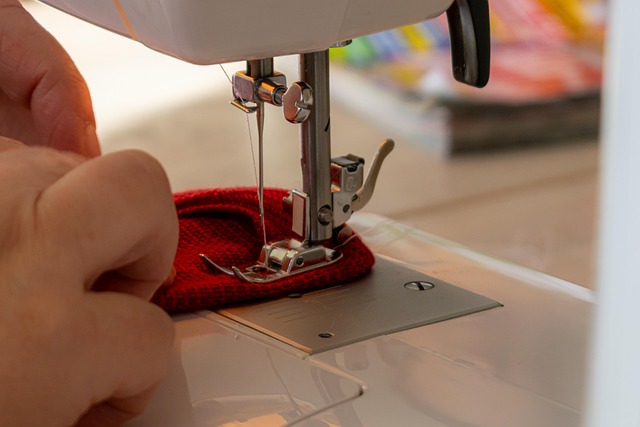
The Shift From Store-Bought Gifts to Personalized, Handcrafted Creations
Over recent years, personalization has become central to gift-giving culture. Instead of generic cards or chocolates, crafters use Cricut machines to produce monogrammed cards or engraved keepsakes tailored to the recipient’s taste. This movement signals a return to meaningful gestures where design choices express individuality rather than conformity.
How Digital Crafting Tools Bridge Traditional Artistry With Modern Design
Cricut machines combine old-world craftsmanship with digital precision. They allow artisans to translate hand-drawn sketches into cut-ready designs through intuitive software interfaces. This hybrid approach preserves the tactile satisfaction of crafting while benefiting from technological accuracy.
The Growing Appeal of Handmade Experiences in Consumer Culture
The market for handmade goods continues to expand as buyers favor authenticity over automation. In Valentine’s gifting, this translates into experiences—crafting together or exchanging custom-made décor—that evoke emotional resonance beyond commercial exchange.
Why Cricut Machines Have Become Central to DIY Valentine’s Projects
Cricut machines have become indispensable tools for professional makers due to their ability to merge efficiency with artistry. Their versatility across materials—from cardstock to fabric—makes them ideal for producing everything from delicate stationery to durable apparel embellishments.
Precision Cutting and Design Flexibility for Intricate Patterns
Cricut’s adaptive tool system enables fine cutting of lace-like motifs or layered paper structures without manual trimming errors. For experts, this precision expands creative possibilities previously limited by hand-cutting techniques.
Integration With Design Software for Customized Gift Creation
Design platforms such as Cricut Design Space or Adobe Illustrator allow creators to import vector graphics directly into their projects. This integration streamlines workflow and ensures consistent scaling across multiple materials—a critical advantage when producing sets of coordinated Valentine’s pieces.
Efficiency in Producing Professional-Quality Crafts at Home
What once required industrial equipment can now be achieved on a desktop machine. Professionals appreciate how batch production features reduce turnaround time while maintaining craftsmanship standards suitable for boutique retail or client commissions.
Innovative Cricut Machine Ideas for Valentine’s Day Creations
Creative professionals continually push boundaries with new cricut machine ideas that transform ordinary materials into extraordinary expressions of affection.
Personalized Cards and Stationery Concepts
Layered paper compositions add texture and depth, turning simple greeting cards into dimensional art pieces. Foil accents applied through Cricut foil transfer kits introduce metallic highlights reminiscent of luxury print finishes. Typography-driven layouts using vector art lend each card a designer feel suited for exhibition or sale.
Custom Home Décor Projects for Romantic Ambiance
Vinyl wall decals featuring romantic quotes can instantly elevate interior spaces without permanent alteration. Paper flower arrangements crafted from precision-cut templates mimic botanical realism while offering longevity beyond fresh blooms. Candle wraps designed through perforated patterns diffuse light softly—ideal for intimate dinner settings.
Wearable Valentine’s Day Designs Using Cricut Technology
Iron-on vinyl transfers transform plain T-shirts or tote bags into personalized fashion statements celebrating love themes. Layered fabric appliqués create depth on garments while maintaining flexibility after washing. Heat press tools ensure adhesion quality comparable to commercial textile printing processes.
Material Choices and Design Techniques for Professional Results
Selecting the right materials is crucial for achieving clean results that meet professional expectations in texture, finish, and durability.
Selecting Appropriate Materials for Different Cricut Projects
Cardstock suits layered papercraft; adhesive vinyl excels in décor applications; faux leather works well for accessories; fabric remains popular for apparel designs. Matching material type with compatible blades—fine-point, deep-cut, or rotary—prevents tearing or uneven edges.
Evaluating Material Compatibility With Various Cricut Blade Types
Each blade type performs optimally within specific density ranges: fine-point handles thin media like paper; deep-cut accommodates chipboard; rotary excels on textiles requiring smooth motion cuts without drag marks.
Tips for Achieving Clean Cuts and Minimizing Waste During Production
Using sharp blades, adjusting pressure settings per material thickness, and arranging shapes efficiently on the mat reduces offcuts significantly—a small but vital step toward sustainable production habits.
Advanced Design Techniques to Elevate Handmade Quality
For seasoned designers, mastering advanced digital layering techniques distinguishes hobbyist output from gallery-worthy work.
Multi-Layered SVG File Manipulation for Complex Compositions
By stacking multiple SVG layers with varying opacity or color fills, creators simulate dimensionality similar to relief sculpture—especially effective in shadow boxes or framed artworks.
Use of Color Theory and Texture Contrast to Enhance Visual Impact
Combining complementary hues enhances vibrancy while contrasting matte and glossy textures introduces tactile intrigue—an often-overlooked factor influencing perceived craftsmanship value.
Combining Digital Design Principles With Tactile Craftsmanship
Digital precision provides structure; hand-finishing adds soul. Mixing machine accuracy with manual embellishment creates a signature aesthetic unattainable through automation alone.
Integrating Technology and Creativity in Valentine’s Day Crafting Workflow
As design ecosystems evolve, professional makers integrate technology seamlessly into their creative process—from concept visualization through final assembly.
Leveraging Design Software for Efficient Project Planning
Cricut Design Space offers layout optimization tools that preview cutting paths before execution, minimizing trial errors. Importing vector files from Illustrator further refines composition control across diverse project types.
Importing Vector Graphics From Professional Design Tools Like Adobe Illustrator
Experts often develop base artwork externally using industry-standard platforms before importing it into Cricut software environments where scaling precision remains intact throughout production cycles.
Streamlining Workflow Through Project Templates and Reusable Assets
Templates accelerate repetitive tasks such as envelope liners or tag sets while ensuring brand consistency across product collections—a practical necessity in commercial craft enterprises.
Enhancing Collaboration and Sharing Within the Crafting Community
Digital connectivity fosters collaboration among makers globally who exchange cut files, critique techniques, or co-develop themed collections around holidays like Valentine’s Day.
Digital Sharing of Cut Files Through Online Maker Platforms
Professionals distribute SVG templates online under open licenses encouraging adaptation while preserving attribution—a model promoting innovation within ethical boundaries.
Collaborative Projects That Merge Multiple Crafting Disciplines
Hybrid projects combining papercraft with textile embroidery illustrate how interdisciplinary collaboration enriches creative outcomes beyond single-medium constraints.
The Role of Social Media in Showcasing Handmade Valentine Creations
Platforms dedicated to visual storytelling amplify exposure for independent artisans whose detailed process videos attract audiences seeking authenticity over algorithmic perfectionism.
Sustainable Crafting Practices Using Cricut Machines for Valentine’s Day Projects
Eco-consciousness increasingly defines modern craftsmanship standards as creators balance artistry with environmental responsibility.
Eco-Conscious Material Selection and Waste Reduction Strategies
Recyclable cardstock or biodegradable vinyl substitutes reduce ecological footprint without compromising aesthetics. Efficient layout planning ensures minimal scrap generation during cutting sessions—a measurable sustainability metric even small studios can adopt effectively.
Repurposing Leftover Materials From Previous Projects Creatively
Offcuts become embellishments: tiny hearts from excess vinyl sheets serve as confetti; trimmed fabric edges transform into ribbon ties—a mindset valuing resourcefulness over disposal culture.
Implementing Efficient Cutting Layouts To Minimize Offcuts and Waste Generation
Strategic nesting within design software maximizes sheet usage ratios exceeding 85%, aligning artisanal production with responsible manufacturing benchmarks observed across eco-design sectors globally (ISO 14006).
Promoting Longevity and Reusability in Handmade Gifts
Durability reinforces emotional attachment when gifts outlast seasonal relevance through thoughtful modularity or timeless aesthetics.
Designing Keepsakes Intended for Long-Term Use Beyond Valentine’s Day
Metallic-foil framed prints featuring abstract love motifs transition seamlessly into year-round décor pieces rather than disposable novelties tied solely to February 14th celebrations.
Creating Modular Components That Can Be Repurposed Seasonally
Interchangeable decorative panels allow recipients to refresh displays seasonally without discarding core structures—a principle paralleling circular design frameworks adopted by sustainable product designers worldwide (IEEE Sustainability Initiative).
Emphasizing Craftsmanship as a Sustainable Alternative to Mass Production
Each handcrafted item embodies time investment absent in factory output—an intangible yet powerful sustainability argument rooted in valuing human labor over mechanized repetition cycles common within consumer goods industries tracked by Bloomberg Green reports on artisanal economies (2023).
The Future of Handmade Experiences Through Digital Crafting Tools
Emerging technologies continue redefining what constitutes “handmade,” blending algorithmic assistance with human intuition across evolving maker ecosystems.
Emerging Trends in Personalized Gift Creation Using Smart Cutting Machines
AI-driven pattern generators already suggest motif variations based on user style history; mixed-media expansions incorporating engraving modules hint at cross-disciplinary convergence between printmaking traditions and digital fabrication frontiers recognized by IEA innovation studies (2024).
Expansion Into Mixed-Media Projects Combining Print, Cut, and Engraving Techniques
Future iterations may merge laser etching precision with inkjet overlays enabling hybrid textures impossible via single-process workflows—an exciting direction attracting both technologists and traditional artists alike.
Growth of Niche Markets Centered on Artisanal Digital Craftsmanship
Microbrands specializing in digitally handcrafted goods occupy growing market segments where consumers equate uniqueness with premium value—a trend reflected across global handmade marketplaces reporting double-digit annual growth rates since 2021 (Reuters Creative Economy Index).
The Evolving Role of Makers in Redefining Holiday Traditions
Crafters today act as cultural interpreters translating emotion into form through digital means that still feel profoundly human-centered despite technological mediation.
How Expert Crafters Influence Consumer Expectations Around Personalization
By setting higher standards of creativity through visible process transparency online, expert makers recalibrate public perception toward valuing bespoke experiences over convenience-based consumption cycles typical during holidays like Valentine’s Day.
The Balance Between Automation Efficiency and Human Creativity in Craftwork
Automation handles repetition; creativity dictates narrative coherence—the synergy produces work both efficient yet emotionally resonant when viewed under contemporary design theory frameworks discussed by ISO TC130 graphic technology committees (2023).
Reimagining Holidays Like Valentine’s Day as Opportunities for Meaningful Creation Rather Than Consumption
Through accessible tech like Cricut machines paired with thoughtful intent, holidays regain purpose: fostering connection via shared creation instead of passive purchasing behavior dominating conventional retail metrics reported annually by IEA consumer studies division (2022).
FAQ
Q1: What makes Cricut machines ideal for professional Valentine crafts?
A: Their precision cutting capabilities handle complex designs quickly while integrating seamlessly with industry-standard software used by designers worldwide.
Q2: Which materials work best for high-end card projects?
A: Heavyweight cardstock combined with foil accents produces tactile richness comparable to boutique print finishes found in luxury stationery lines.
Q3: How can waste be minimized during large-scale production runs?
A: Optimizing cutting layouts digitally before execution significantly reduces offcuts—an approach aligned with ISO environmental management recommendations (ISO 14001).
Q4: Are there sustainable alternatives available within Cricut-compatible supplies?
A: Yes, biodegradable vinyls and recycled papers maintain structural integrity while supporting eco-friendly studio practices gaining traction among certified green manufacturers globally.
Q5: How do AI advancements influence future DIY craft trends?
A: Smart design platforms incorporating predictive pattern generation streamline ideation phases allowing artists more time refining aesthetic details rather than repetitive drafting tasks common pre-automation era workflows.