
Are Refurbished Consumer Cellular Phones Driving the US$135.4 Billion Market Growth by 2033
Refurbished and Used Mobile Phones Market to Reach US$ 135.4 Billion by 2033 Expands Amid Circular Economy and Affordable Smartphone Demand
The global market for refurbished consumer cellular phones is entering a new growth phase, shaped by sustainability goals, affordability pressures, and rapid technological improvements. Analysts project the market to reach around US$135.4 billion by 2033, underscoring how circular economy models are transforming mobile device consumption. With refurbished phones now offering near-original performance and certified reliability, both consumers and corporations are rethinking what “new” really means in the smartphone era.
Market Overview of Refurbished Consumer Cellular Phones
The refurbished mobile phone sector has evolved from a niche resale category into a structured global industry. This transformation is not only driven by economic necessity but also by environmental imperatives and technological maturity.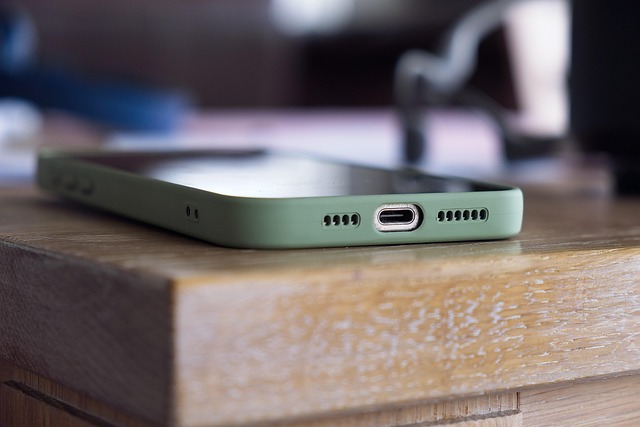
Current Market Landscape and Growth Projections
The market for refurbished consumer cellular phones is expanding rapidly as consumers seek affordable yet high-quality alternatives to new devices. Industry forecasts suggest that valuation could reach about US$135.4 billion by 2033, supported by circular economy policies emphasizing reuse and waste reduction. Leading players are investing in advanced refurbishment technologies such as automated diagnostics, AI-based grading, and precision component replacement to maintain consistency across large-scale operations.
Economic and Environmental Drivers Behind Market Expansion
Rising retail prices for flagship smartphones have made refurbished models an attractive alternative for cost-conscious buyers. Simultaneously, governments are tightening e-waste regulations to encourage reuse over disposal. Corporate sustainability programs now include take-back initiatives that recover used devices for refurbishment rather than recycling them prematurely—a shift that saves energy and preserves materials.
The Role of Refurbished Consumer Cellular Phones in the Circular Economy
Refurbished phones play a central role in extending product lifecycles within the broader circular economy framework. Their reuse not only reduces waste but also reshapes supply chains toward long-term resource efficiency.
How Refurbishment Supports Sustainability Goals
By extending the lifespan of smartphones, refurbishment directly cuts down electronic waste volumes worldwide. Many manufacturers have introduced take-back or trade-in schemes that facilitate device recovery at end-of-use stages. Reusing components such as screens or batteries significantly lowers carbon emissions compared with manufacturing new ones from scratch.
Business Models Supporting Circular Value Chains
Trade-in programs have become key tools for engaging consumers while maintaining steady supply streams of pre-owned devices. Original equipment manufacturers (OEMs) increasingly collaborate with certified refurbishers to create closed-loop systems where devices are collected, repaired, tested, and resold under one ecosystem. Data security technologies ensure personal information is completely erased during refurbishment—an essential trust factor in this market.
Technological Advancements in Refurbishment Processes
Technological innovation has redefined how refurbished devices are processed and evaluated. Automation, AI integration, and software optimization have collectively raised product standards closer to those of new units.
Innovations Enhancing Device Quality and Performance
Automated diagnostic platforms now detect hardware faults with remarkable accuracy, reducing human error in testing phases. AI-driven grading systems evaluate cosmetic conditions consistently across thousands of units daily. Moreover, modern cleaning techniques combined with micro-soldering repairs restore nearly original performance levels even on heavily used smartphones.
Integration of Software Optimization in Refurbished Devices
Software updates play a crucial role in ensuring longevity for refurbished consumer cellular phones. Many refurbishers preload updated operating systems that improve performance stability while applying the latest security patches to comply with privacy standards like GDPR or ISO/IEC 27001 guidelines. Some operators even use cloud-based monitoring tools after resale to track performance anomalies remotely—an emerging quality assurance practice.
Consumer Behavior and Market Demand Dynamics
Consumer attitudes toward refurbished electronics have shifted dramatically over the past five years. Trust mechanisms such as warranties and certification labels now underpin growing acceptance among both individual users and enterprises.
Shifting Perceptions Toward Refurbished Devices
Certified refurbishment programs backed by recognized brands have normalized second-life ownership among mainstream buyers. Younger consumers view value-for-money as more important than owning brand-new gadgets each year. Online marketplaces further enhance transparency through verified listings, standardized grading criteria, and customer reviews that reduce perceived risk.
Price Sensitivity and Accessibility as Key Demand Catalysts
Economic uncertainty continues to make affordability a decisive factor driving demand for refurbished phones. The availability of lower-cost 5G-enabled models has opened access to advanced connectivity for wider demographics, especially in emerging economies. Subscription-style upgrade plans offered by carriers also encourage regular exchanges within the refurbished ecosystem rather than outright new purchases.
Competitive Landscape and Strategic Developments Among Industry Players
Competition within the refurbished mobile segment is intensifying as global brands formalize their participation through partnerships or acquisitions aimed at vertical integration.
Major Participants in the Refurbished Mobile Ecosystem
Large smartphone makers now partner with certified refurbishers to retain brand integrity across secondary markets while ensuring consistent quality levels. Specialist firms focus on high-volume processing using automated lines capable of handling tens of thousands of units monthly. Telecom operators increasingly bundle refurbished options into their service plans to attract budget-conscious customers without compromising device reliability.
Strategic Partnerships, Mergers, and Acquisitions Shaping Growth Trajectories
Industry consolidation is accelerating through mergers between refurbishers, logistics providers, and resellers seeking operational efficiency at scale. Such integration streamlines supply chains from collection to resale while improving traceability across each stage of refurbishment. Capital investment into regional processing hubs supports faster turnaround times and localized inventory management strategies aligned with sustainability goals.
Regulatory Environment Influencing the Refurbished Phone Market
Policy frameworks significantly influence how refurbished consumer cellular phones move through international markets—from data handling compliance to environmental certifications.
Government Policies Encouraging Device Reuse and Recycling
Many jurisdictions now enforce e-waste directives requiring producers to manage end-of-life electronics responsibly under frameworks inspired by EU WEEE or similar national acts. Tax incentives are being introduced for businesses adopting sustainable refurbishment operations or sourcing certified reused components domestically. Standardization bodies such as IEC work on defining quality benchmarks that distinguish professional-grade refurbishment from informal repair practices.
Compliance Challenges Faced by Industry Stakeholders
Despite progress, varying import-export regulations complicate cross-border resale activities for used electronics. Data protection laws mandate verified erasure procedures before resale; failure can lead to penalties under privacy acts like GDPR or CCPA equivalents elsewhere. Certification disparities between regions create inconsistencies that limit uniform branding opportunities across global markets—a challenge many players aim to resolve through mutual recognition agreements.
Future Outlook: Pathways Toward a Sustainable Mobile Ecosystem by 2033
Looking ahead, technological convergence with sustainability objectives will shape how refurbished devices integrate into mainstream consumption patterns over the next decade.
Emerging Trends Shaping Long-Term Market Potential
AI-enabled predictive maintenance could soon allow real-time diagnostics predicting component failure before it occurs—further extending usable lifespans of refurbished units. Blockchain-based traceability systems promise transparent tracking from initial sale through multiple ownership cycles, reinforcing consumer confidence in authenticity claims. Modular design adoption will simplify part replacement processes making future devices inherently more repairable.
Strategic Opportunities for Stakeholders Moving Forward
Building localized refurbishment centers near key consumer markets can cut logistics costs while reducing transport-related emissions substantially. Educating buyers about certified refurbishment benefits remains vital for sustained growth since misconceptions still linger around quality perception gaps versus new products. Finally, advanced data analytics will help refurbishers forecast demand fluctuations accurately allowing balanced inventory levels across diverse regional markets.
FAQ
Q1: What defines a refurbished consumer cellular phone?
A: It’s a pre-owned device restored through professional testing, repair, cleaning, and certification processes before resale at reduced cost compared with new models.
Q2: How do warranties work on refurbished phones?
A: Most certified refurbishers provide limited warranties covering hardware defects similar to those offered on new devices though duration may vary by provider.
Q3: Are refurbished phones environmentally beneficial?
A: Yes—they extend product lifecycles reducing e-waste generation while saving raw materials otherwise required for manufacturing replacements.
Q4: Do refurbished devices support software updates?
A: Certified units typically come preloaded with updated operating systems including current security patches ensuring continued compatibility with apps and networks.
Q5: Which regions show fastest growth in this market?
A: Asia-Pacific currently leads due to rising smartphone penetration rates coupled with affordability concerns driving adoption among first-time smartphone users.