How Are Consumer Electronics Retail Stores Redefining Mass Affluent Shopping Habits
Consumer Electronics Are A Growing Category For The Mass Affluent: Here’s How They Shop
The mass affluent are reshaping the retail map for consumer electronics. They seek premium technology that enhances lifestyle without crossing into ultra-luxury territory. Their purchasing behavior blends digital research, in-store experience, and value-driven decision-making. Retailers catering to this group must merge personalization, service, and innovation to stay relevant. Consumer electronics retail stores are no longer just points of sale—they’re becoming curated experience hubs that align with the aspirations of this influential demographic.
The Changing Landscape of Mass Affluent Shopping
Mass affluent consumers are driving a quiet revolution in how modern retail operates. They expect exclusivity and convenience but remain pragmatic about value and functionality.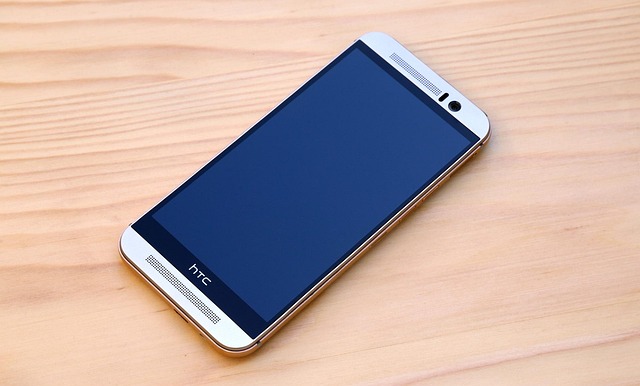
Defining the Mass Affluent Segment in Modern Retail
The mass affluent typically occupy the upper-middle-income bracket, with disposable income that allows for discretionary spending on technology, travel, and lifestyle products. Unlike luxury buyers who chase brand prestige, they focus on quality, reliability, and meaningful innovation. Their digital literacy is high—they compare specifications, read expert reviews, and often use price-tracking tools before committing to a purchase. This group is comfortable navigating both online and offline channels, seeking seamless transitions between them.
Shifting Preferences Toward Experience and Value
Experiential retail has become central to attracting this segment. They prefer immersive shopping environments where they can test products or interact with knowledgeable staff rather than simply browsing shelves. What appeals most is premium service—personalized consultations or exclusive previews—without paying luxury markups. Technology adoption plays a dual role: it enhances convenience but also strengthens emotional ties when brands respect their time and intelligence.
The Role of Consumer Electronics Retail Stores in Influencing Behavior
Consumer electronics retail stores have evolved from transactional spaces into lifestyle destinations. For the mass affluent, these stores represent both discovery and validation points within their buying journey.
Evolution of the Consumer Electronics Retail Model
Retailers have moved from product-centric displays toward experience-driven formats where customers can explore real-life applications of devices. Omnichannel strategies now connect e-commerce platforms with physical showrooms through synchronized pricing and inventory systems. Many leading chains extend their branding beyond gadgets into lifestyle narratives—positioning themselves as enablers of connected living rather than mere sellers of hardware.
Store Design and In-Store Experience Enhancements
Modern store layouts feature interactive demo zones where visitors can try smart home setups or compare device performance side by side. Lighting design mimics natural environments to highlight screen clarity or sound quality. Personalized consultations help translate complex specifications into practical benefits, increasing confidence at the point of sale. These sensory cues—sound texture from speakers or tactile feedback from wearables—play a measurable role in influencing purchase intent.
Digital Integration as a Catalyst for Engagement
Digital integration defines how mass affluent shoppers interact with brands today. They expect continuity across devices, platforms, and physical locations.
Omnichannel Shopping Journeys Among the Mass Affluent
Their path to purchase often begins online through research or influencer content but concludes in-store after hands-on validation. Mobile apps enable virtual demos using AR tools or allow scheduling appointments with specialists before visiting consumer electronics retail stores. Real-time inventory visibility ensures they don’t waste trips—a detail that strongly affects satisfaction rates among time-sensitive professionals.
Data Analytics and Personalization Strategies
Retailers deploy CRM systems to tailor communications based on prior purchases or browsing behavior. Predictive analytics helps forecast upgrade cycles—for instance, identifying when a customer might replace a smartphone or add a compatible device to an existing ecosystem. However, this data-driven precision must balance privacy concerns; affluent consumers are particularly alert to overreach in data collection practices.
Brand Positioning and Product Strategy in Consumer Electronics Retailing
Positioning for this demographic requires subtlety: offering aspirational products without alienating value-conscious sensibilities.
Curating Premium Yet Accessible Product Portfolios
Successful retailers blend flagship models with high-quality mid-tier alternatives that deliver near-premium performance at reasonable prices. Limited-edition collaborations with tech innovators create buzz while preserving exclusivity appeal. Increasingly, sustainability influences curation decisions—energy-efficient appliances or repairable devices resonate strongly with environmentally aware buyers seeking long-term value rather than short-lived novelty.
Building Trust Through Expertise and Consultation Services
Expert staff remain critical differentiators in consumer electronics retail stores. Customers rely on well-trained consultants who can demystify technical jargon and match solutions to real needs—whether configuring a smart home network or comparing laptop processors for creative work. Loyalty programs now emphasize continuity of service such as extended warranties or upgrade support instead of simple discount accumulation.
The Influence of Lifestyle Trends on Purchase Decisions
Affluent consumers link technology choices directly to personal identity and lifestyle aspirations.
Smart Living as a Status Symbol Among the Mass Affluent
Connected living has become synonymous with sophistication: integrated ecosystems linking phones, wearables, lighting systems, and appliances project efficiency as much as taste. Smart homes are not merely functional—they’re aesthetic statements reflecting control over time and environment. Sustainability also plays into this narrative; energy-saving automation aligns environmental responsibility with daily convenience.
The Rise of Health-Tech and Wellness-Oriented Electronics
Wearables capable of monitoring heart rate variability or sleep cycles have entered mainstream use among affluent professionals prioritizing well-being. Health-tech integration extends beyond fitness bands to include air purifiers with app control or posture-correcting devices used during remote work sessions. Retailers increasingly position these items as aspirational investments in longevity rather than mere gadgets—a framing that resonates deeply post-pandemic.
Future Directions for Consumer Electronics Retail Stores Targeting the Mass Affluent
The next phase will be shaped by emerging technologies redefining engagement boundaries between retailers and shoppers.
Emerging Technologies Reshaping Retail Experiences
AI-powered recommendation engines now personalize store displays dynamically based on visitor profiles captured via mobile check-ins or loyalty apps. Robotics handle logistics tasks like restocking demo units while freeing staff for higher-value interactions. Virtual showrooms accessible through VR headsets allow remote exploration of entire product lines—a development especially attractive for busy urban professionals who prefer curated experiences over crowds.
Strategic Collaborations Between Brands and Retailers
Collaborations across sectors will deepen: fintech partnerships offering installment options appeal to cash-flow-conscious affluent buyers; automotive tie-ins showcase connected car ecosystems alongside home automation gear; co-branded events combine entertainment with education around new launches. Such alliances blur traditional category lines but strengthen emotional connection through shared values around innovation, design, and lifestyle enhancement.
FAQ
Q1: What defines mass affluent consumers in electronics retail?
A: They are upper-middle-income individuals who prioritize quality technology that improves life efficiency while maintaining strong value awareness.
Q2: Why do experience-driven stores appeal more than traditional outlets?
A: Because these shoppers want tactile engagement—testing features firsthand builds trust more effectively than static displays or online descriptions.
Q3: How important is sustainability for this demographic?
A: Very important; eco-friendly design adds perceived sophistication while aligning purchases with broader social responsibility goals.
Q4: Which technologies will transform future shopping experiences?
A: AI personalization engines, robotics-assisted service models, and immersive virtual showrooms are leading innovations shaping next-generation consumer electronics retail stores.
Q5: How do retailers maintain loyalty among affluent customers?
A: Through continuous service excellence—expert consultation, post-purchase support, tailored upgrade programs—and transparent communication about data use policies that respect privacy expectations.