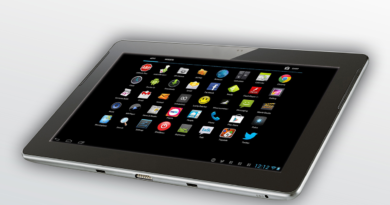
Amazon Fire tablet reviews after the Alexa Tablet launch
Amazon Fire tablet reviews need an important update after Amazon’s October 2026 announcement. Fire tablets can still be good value for casual entertainment, Kindle reading, Prime Video, Audible, web browsing and family use. They are no longer the only Amazon tablet option, however. On October 8, 2026, Amazon announced a new Alexa Tablet lineup with built-in Google Play access, higher prices and more ambitious hardware. That shifts the role of the older Fire HD 8, Fire HD 10 and Fire Max 11. They are most worth considering when the price is low, the buyer is comfortable with Fire OS, or the priority is a child-friendly bundle. For more device coverage, visit our Reviews section.
What changed for Amazon tablet buyers in October 2026
The shift is bigger than a routine spec refresh. Amazon announced the Alexa Tablet 12 Pro, Alexa Tablet 11 and Alexa Tablet 8 on October 8, 2026, with shipping in the United States, Mexico and Canada scheduled for October 14, 2026. Amazon described the range as an all-new tablet lineup with Alexa+ integration and access to Google Play Store.

That matters because traditional Fire tablets run Fire OS, Amazon’s Android-based software environment. Fire OS works well if a household already uses Amazon services, but it has historically been more limited than a standard Android tablet for people who want Google apps, existing Google Play purchases or a broader productivity app catalog. In buying terms, Fire tablets are now best viewed as budget Amazon-service tablets rather than general Android replacements.
The Alexa Tablets also reset price expectations. Amazon listed the Alexa Tablet 8 from $229.99, Alexa Tablet 11 from $329.99 and Alexa Tablet 12 Pro from $499.99 at launch. Those prices sit above the usual Fire value proposition, creating a clearer split: choose a discounted Fire tablet for simple media use, or pay more for Amazon’s newer tablet platform with broader app access.
The Fire tablet lineup at a glance
Amazon’s developer specifications and software security update pages identify several recent Fire models that remain relevant for shoppers comparing new, discounted, refurbished or remaining retail stock. The key mainstream models are Fire HD 8 from 2024, Fire HD 10 from 2023 and Fire Max 11 from 2023.
| Model | Key hardware facts | Best fit | Main caution |
|---|---|---|---|
| Fire HD 8 2024 | 8-inch 1280 x 800 display, 3GB or 4GB RAM, 32GB or 64GB storage, microSD up to 1TB, Fire OS 8 | Cheap reading, streaming, travel and kids’ use | Screen and speakers are basic compared with larger models |
| Fire HD 10 2023 | 10.1-inch 1920 x 1200 display, 3GB RAM, 32GB or 64GB storage, microSD up to 1TB, stylus and keyboard support sold separately, Fire OS 8 | Best balance for video, reading and light productivity | Still limited by Fire OS and modest RAM |
| Fire Max 11 2023 | 11-inch 2000 x 1200 display, 4GB RAM, 64GB or 128GB storage, microSD up to 1TB, Wi-Fi 6, stylus and keyboard support sold separately, Fire OS 8 | Larger screen, stronger Fire performance and premium-feeling build | Less compelling if priced close to newer Alexa Tablets or iPads |
All three should be judged through the same lens: display size, app limitations, update horizon, actual selling price and whether the buyer wants Amazon’s ecosystem or a more open app experience.
How each Fire tablet reviews in real use
Fire HD 8 is the budget pick only when the price is right
The Fire HD 8 is the easiest Fire tablet to place. It is small, portable and usually attractive only when sold at a deep discount. The 2024 model’s 8-inch screen, 32GB or 64GB storage options and microSD expansion make it practical for ebooks, downloaded videos, basic games and couch or travel browsing.
The trade-off is that it feels like a budget device. Independent reviews of the 2024 Fire HD 8 have generally praised its low price and adequate battery life, while criticizing the screen, speakers, cameras and Fire OS restrictions. The spec sheet points in the same direction: 1280 x 800 resolution is acceptable for casual use, but it is not ideal for sharp text, detailed comics, productivity work or high-quality streaming.
Buy it for simple consumption. Skip it if you want a tablet that feels fast for years, replaces a laptop, or gives you a full Google app experience without workarounds.
Fire HD 10 is the safest Fire recommendation for most adults
The Fire HD 10 is the model that best fits the phrase “cheap but useful.” Its 10.1-inch 1920 x 1200 display is a meaningful step up from the HD 8, especially for movies, web pages, recipes and comics. It also supports a Made for Amazon stylus and keyboard accessory, although those add-ons should not be confused with a true laptop replacement.
Because it has only 3GB of RAM, the Fire HD 10 should be treated as a light-use tablet. It is fine for streaming, reading, email, video calls and a handful of casual apps. It is less convincing for heavy multitasking, creative work or demanding games. Published reviews of the 2023 model commonly describe it as a strong budget entertainment tablet with the same familiar software caveat: Amazon’s ecosystem is front and center.
For many households, this is the Fire tablet to buy if the price is meaningfully below newer alternatives. It gives you the screen size that makes a tablet feel worthwhile without pushing into premium pricing.
Fire Max 11 has the best Fire hardware but the hardest value case
The Fire Max 11 is Amazon’s most capable Fire-branded tablet. Its 11-inch 2000 x 1200 display, 4GB RAM, 64GB or 128GB storage, Wi-Fi 6 support and premium-feeling build make it more appealing than earlier budget Fires. It also offers optional keyboard and stylus accessories, which can make it look like a low-cost productivity tablet.
The problem is value. Reviews from outlets including Tom’s Guide and The Guardian praised the Fire Max 11’s hardware improvements but pointed to Fire OS and app limitations as the factor that holds it back. That criticism matters more after the Alexa Tablet launch. If the Fire Max 11 is deeply discounted, it may still be a good entertainment tablet. If it is priced close to an Alexa Tablet 11, a recent iPad or a mainstream Android tablet with Google Play, the case becomes weaker.
The Fire Max 11 is best for someone who wants the biggest Fire screen and is already comfortable inside Amazon’s content ecosystem. It is not the best pick for someone buying mainly for Google Workspace, YouTube-native features, Android flexibility or long-term productivity. See also: Gadgets.
Fire Kids tablets are about the bundle, not better hardware
Fire Kids and Kids Pro models are usually based on regular Fire hardware, but sold with child-focused software, a protective case, Amazon Kids+ content and a two-year worry-free guarantee. Amazon’s warranty materials identify Fire Kids Tablet and Fire Kids Pro Tablet devices as covered by a two-year worry-free limited warranty, which is the central reason many parents choose them over a standard Fire model.
The better question is not whether the Kids version is faster. It usually is not meaningfully faster than the equivalent standard Fire tablet. The question is whether the included case, parental controls, content subscription and warranty justify the price difference. For younger children, that bundle can be more useful than a slightly better spec sheet.
Software and update support should decide the purchase
Fire OS is the deciding factor in almost every Amazon Fire tablet review. Amazon’s Fire developer materials describe Fire OS as Android-based, but Fire tablets are built around Amazon services and the Amazon Appstore rather than the standard Google Android experience. That is fine for Prime Video, Kindle, Audible, Amazon Music, Silk Browser and many mainstream streaming apps. It is less ideal if daily use depends on Google Play, Gmail, Google Docs, YouTube app features, certain banking apps, classroom apps or niche Android tools.
Security support is more reassuring than many budget tablets, but it varies by model. Amazon’s current software security update page lists Fire HD 8 2024 support at least through December 31, 2029, Fire HD 10 2023 support at least through December 31, 2029 and Fire Max 11 2023 support at least through July 31, 2030. Those dates do not mean the hardware will feel fast until then, but they are useful for avoiding older used models with shorter support windows.
Another limitation is that Fire OS 8 on recent Fire tablets corresponds to Android 11 API level 30 in Amazon’s developer specifications. That is serviceable for many apps, but it is not the same as buying a current mainstream Android tablet with a newer Android base and direct Google Play support.
Who should buy a Fire tablet now
- Buy a Fire HD 8 if you want the lowest practical price for reading, cartoons, travel entertainment or a secondary household screen.
- Buy a Fire HD 10 if you want the best balance of screen size, price and casual performance in the Fire family.
- Buy a Fire Max 11 only if it is discounted enough to beat newer Alexa, Android and iPad alternatives on value.
- Buy a Fire Kids model if parental controls, a protective case, Kids+ content and the two-year worry-free guarantee are more important than raw performance.
- Skip Fire tablets if you need Google Play, Google productivity apps, heavy multitasking, premium gaming, advanced drawing or a tablet that can replace a laptop.
The best Fire tablet deal is rarely the model with the highest list price. It is the model whose limitations match the actual use case. A discounted Fire HD 10 can be a better purchase than a Fire Max 11 at full price. A Kids model can be smarter than a standard tablet for a young child. But a new Alexa Tablet may be the better long-term choice for buyers who have been frustrated by Fire OS.
Fire tablets versus Alexa Tablets
| Question | Fire tablet answer | Alexa Tablet answer |
|---|---|---|
| Lowest cost? | Usually Fire, especially during discounts | Higher starting prices at launch |
| Google Play access? | Not the standard built-in experience | Amazon announced built-in Google Play Store access |
| Best for Amazon content? | Strong for Kindle, Prime Video, Audible and Kids | Also built around Amazon services, with broader app access |
| Best for productivity? | Limited, even with keyboard accessories | More promising, especially on larger models, but final judgment depends on real-world reviews |
| Best bargain? | Fire HD 10 or HD 8 when heavily discounted | Potentially better long-term value if apps matter more than price |
Editorially, the Fire line still has a place, but it should be judged more narrowly than before. It is a budget entertainment and family tablet line. The Alexa Tablet family appears to be Amazon’s answer for buyers who want a more complete tablet experience, though buyers should still wait for detailed long-term reviews before assuming it solves every weakness.
Frequently asked questions
Are Amazon Fire tablets still worth buying?
Yes, but mainly at the right price and for the right use. Fire tablets are still useful for streaming, Kindle reading, Audible, casual games, web browsing and child profiles. They are less attractive for productivity, Google apps and demanding Android users.
Which Amazon Fire tablet is best for most people?
The Fire HD 10 is the safest general recommendation because its 10.1-inch Full HD display is much better for video and reading than the smaller HD 8, while its price is usually below larger premium tablets. The answer changes if the Fire Max 11 is heavily discounted.
Should I buy a Fire Max 11 or an Alexa Tablet 11?
If the prices are close, the Alexa Tablet 11 is more compelling on paper because Amazon announced Google Play access and newer positioning for the Alexa Tablet line. The Fire Max 11 still makes sense if it is discounted sharply and you are satisfied with Fire OS.
Do Fire tablets support Google Play?
Fire tablets are not designed around the same built-in Google Play experience as mainstream Android tablets. They use Fire OS and Amazon’s app ecosystem. If Google Play apps are essential, consider the newer Alexa Tablets or another Android tablet.
Are Fire Kids tablets different from regular Fire tablets?
The main difference is the bundle. Fire Kids models typically pair Fire tablet hardware with a child-friendly case, parental controls, Kids+ content and a two-year worry-free guarantee. The bundle can be worth it for families even when the core hardware is similar.