Apple TV reviews and whether the 4K streaming box is worth it in 2026
Quick verdict
Most Apple TV reviews now turn on a practical buying question: is the Apple TV 4K still worth paying for when many TVs already have streaming apps and cheaper boxes support 4K HDR? For the right household, yes. For everyone else, the answer is less automatic. Apple’s current U.S. store listing, checked on September 14, 2026, shows the Apple TV 4K 3rd generation in two versions: Wi-Fi with 64GB storage at $199 and Wi-Fi + Ethernet with 128GB storage at $249. That makes it a premium purchase, not an impulse add-on. In return, buyers get a fast interface, broad HDR support, Dolby Atmos, tight Apple ecosystem integration and, on the 128GB model, Ethernet plus Thread networking for smart-home use. (apple.com)
If you use an iPhone, AirPods, Apple Music, Apple Photos, HomePods or HomeKit accessories, Apple TV 4K feels less like a basic streaming box and more like a living-room extension of your existing setup. If you only need Netflix, YouTube, Prime Video and occasional sports on a spare TV, a lower-cost Roku, Fire TV or Google TV device may be enough. For more buying guides in consumer electronics, visit our Reviews section.
What current Apple TV reviews are really judging
Apple TV can refer to three different products: the Apple TV 4K hardware box, the Apple TV app, and the Apple TV+ subscription service. This review focuses on the hardware. The distinction matters because many searchers looking for Apple TV reviews are not asking whether a specific show is worth watching; they want to know whether Apple’s streaming device improves everyday TV use.
The current Apple TV 4K hardware was introduced by Apple on October 18, 2022, with availability beginning November 4, 2022. Apple’s announcement highlighted the A15 Bionic chip, HDR10+ support, Dolby Vision support, and a two-model split: 64GB Wi-Fi and 128GB Wi-Fi + Ethernet with Thread. Those choices still shape the 2026 buying decision because the more expensive version is the only one with wired networking and Thread support. (apple.com)
Editorial reviews from outlets such as Tom’s Guide, Ars Technica, Digital Trends and What Hi-Fi have generally treated the Apple TV 4K as a premium streamer with unusually smooth performance, strong picture handling and high ecosystem value. The recurring criticism is not a lack of polish. It is that the price is hard to justify for viewers who do not use Apple services or smart-home features. (tomsguide.com)
Hardware and pricing snapshot
| Feature | Apple TV 4K Wi-Fi | Apple TV 4K Wi-Fi + Ethernet |
|---|---|---|
| Storage | 64GB | 128GB |
| Current Apple U.S. store price checked September 14, 2026 | $199 | $249 |
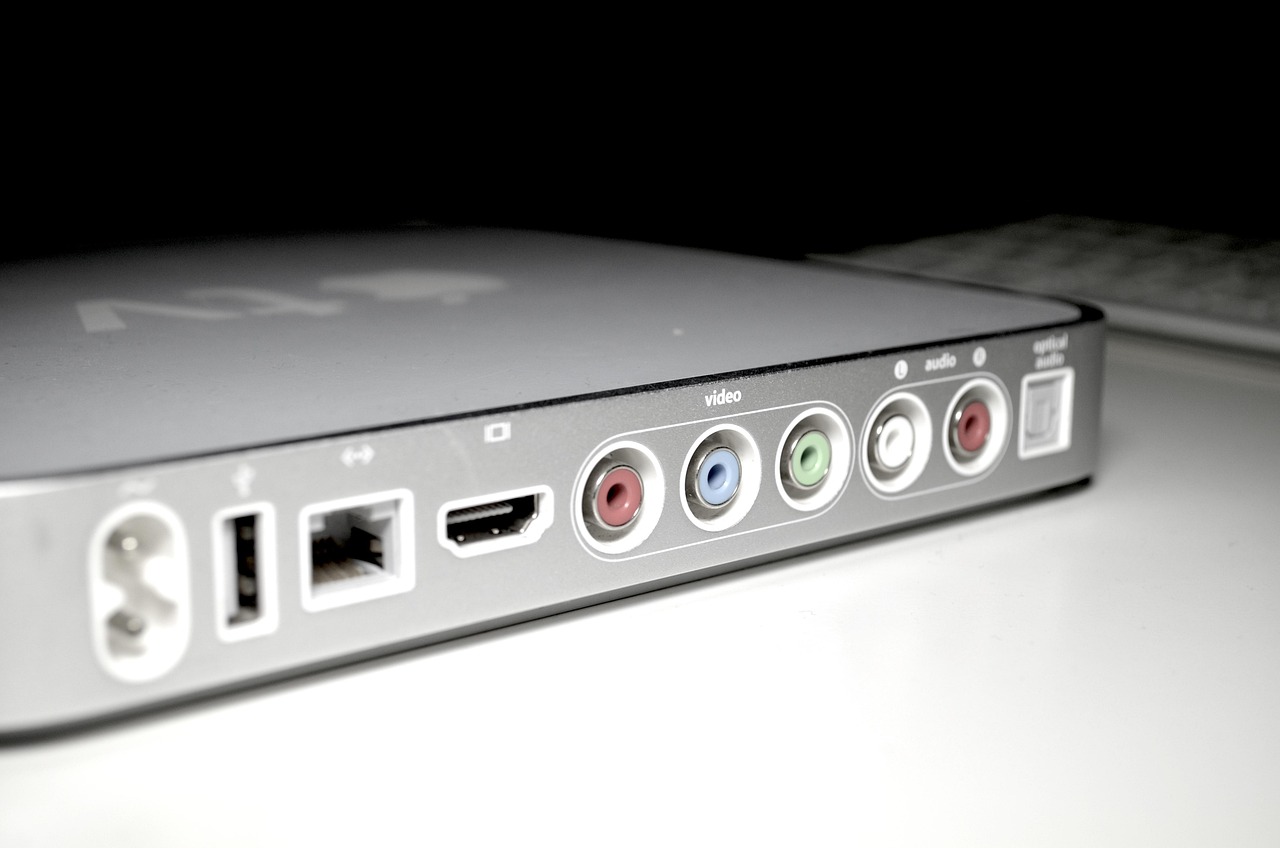
| Wired Ethernet | No | Yes |
| Thread networking | No | Yes |
| Remote | Siri Remote with USB-C | Siri Remote with USB-C |
| HDMI cable in box | No | No |
The price increase from the original 2022 launch pricing is important for value analysis. Apple’s 2022 announcement described a starting price of $129, while the current Apple Store listing shows $199 for the 64GB model and $249 for the 128GB model. That does not change the device’s strengths, but it does change how confidently reviewers should recommend it to budget-conscious buyers. (apple.com)
The package contents also matter. Apple’s store listing says HDMI and USB-C cables are sold separately. Buyers who want Dolby Vision or 4K HDR should budget for a suitable HDMI cable if they do not already have one. It is a small cost compared with the box itself, but it is still worth noting because lower-cost streamer buyers often expect a simple, all-in setup. (apple.com)
Picture, sound and performance
Apple TV 4K supports the major HDR formats most buyers care about: Dolby Vision, HDR10+, HDR10 and HLG, with Apple’s technical specifications listing Dolby Vision and HDR10+/HDR10/HLG playback up to 2160p at 60 frames per second. Apple also lists Dolby Atmos among supported audio formats. In plain English, the box is a strong fit for modern 4K TVs, including Samsung models that rely on HDR10+ instead of Dolby Vision. (apple.com)
Picture quality from a streaming box depends on more than format support. App behavior, network stability, TV settings and source bitrate all matter. Apple TV 4K cannot turn a low-bitrate stream into disc-quality video, but it gives compatible services and TVs a capable hardware path. Its support for both Dolby Vision and HDR10+ is one reason reviewers often rate it above cheaper devices that may support fewer formats or feel slower in daily use.
Performance is the other core strength. The A15 Bionic chip was already more than enough for basic menu navigation when the 2022 model arrived, and that headroom still helps in 2026. Apps open quickly, scrolling feels responsive, and Apple Arcade or casual living-room games benefit from stronger graphics performance than most streaming sticks offer. Apple said at launch that the A15 model delivered up to 50 percent faster CPU performance and up to 30 percent faster GPU performance than the prior generation, though the real-world value depends on whether you use games and heavier apps. (apple.com)
The 64GB versus 128GB choice
For buyers choosing Apple TV 4K as a main-room device, the 128GB model is the safer recommendation. The storage difference matters if you install many games, fitness apps or streaming apps, but Ethernet and Thread are the bigger reasons to step up. Wired Ethernet can reduce wireless congestion and improve consistency in homes with thick walls, crowded Wi-Fi or high-bitrate streaming. Thread matters if you are building a Matter-compatible smart home and want Apple TV 4K to act as part of that infrastructure.
The 64GB model still makes sense when the Apple TV will sit close to a strong Wi-Fi router, the household does not use Thread accessories, and the buyer wants Apple’s interface without paying for features they will not use. But the price gap is relatively small compared with the total cost of the product, so many households considering Apple TV 4K in the first place may find the 128GB model easier to justify.
- Choose 64GB Wi-Fi if you mainly stream video, use reliable Wi-Fi and do not need Thread.
- Choose 128GB Wi-Fi + Ethernet if the box is for a main TV, gaming, smart-home control, or a room where Wi-Fi sometimes struggles.
- Do not buy either model only for storage unless you know you will install many apps or games; the connectivity difference is the more meaningful split.
Where Apple TV 4K beats built-in smart TV apps
The strongest everyday argument for Apple TV 4K is consistency. Many smart TVs launch with acceptable software but slow down over time, show more ads, or receive uneven app support depending on the TV brand and model year. Apple TV 4K separates the streaming experience from the TV panel, so replacing the TV is not the only way to improve navigation, app switching and voice control.
Apple’s ecosystem features are also useful when they match your devices. iPhone setup is quick, the Apple TV Remote is available from iPhone Control Center, AirPods can be used for private listening, Apple Photos can become a living-room screen, and HomePod integration can simplify audio in some rooms. None of these features is essential for every buyer, but together they create a smoother experience than a generic app grid. See also: Gadgets.
Software support is another point in Apple’s favor. Apple’s support log shows continuing tvOS updates, with tvOS 26 adding the Liquid Glass design, Apple TV app poster-art changes, profile improvements, Apple Music Sing updates and FaceTime-related changes, while later tvOS 26.x updates include performance and stability improvements. That ongoing software layer helps explain why older Apple TV boxes often remain usable longer than many inexpensive streaming sticks. (apple.com)
Where Apple TV 4K falls short
The first weakness is price. At $199 and $249 on Apple’s current U.S. store listing, Apple TV 4K costs substantially more than many 4K-capable streamers, especially during retail sales. Buyers should not pay that premium unless they value the cleaner interface, speed, privacy posture, Apple integration, Ethernet, Thread or gaming headroom.
The second limitation is local-media flexibility. Apple’s listed video formats cover mainstream streaming formats well, but the official technical specifications do not list AV1 video support. That may not matter for common streaming apps today, but home-theater users with local libraries, unusual files or specific codec requirements should verify their playback chain before assuming Apple TV 4K can replace every specialized media player. (apple.com)
The third limitation is that Apple’s clean experience can also feel controlled. Some viewers prefer Android-style sideloading, more file-system freedom, broader emulator options or a remote with more dedicated service buttons. Apple TV 4K is not designed for that audience. It is designed for a polished, managed, mainstream living-room experience.
Apple TV 4K versus Roku, Fire TV and Google TV Streamer
Apple TV 4K is no longer the only premium streaming box with strong format support. Google’s official specifications for Google TV Streamer list Dolby Vision, HDR10, HDR10+, HLG, Gigabit Ethernet and Thread border-router support. Amazon says the Fire TV Stick 4K Max 2nd generation supports Wi-Fi 6E, Dolby Vision, HDR10+, HDR and Dolby Atmos. Roku’s Ultra positioning emphasizes 4K, HDR10+, Dolby Vision, Dolby Atmos, Wi-Fi 6 and its rechargeable Voice Remote Pro. (store.google.com)
| Device family | Why choose it | Why Apple TV may still win |
|---|---|---|
| Apple TV 4K | Fast interface, Apple ecosystem, Dolby Vision, HDR10+, Atmos, optional Ethernet and Thread | Best fit for iPhone, AirPods, HomePod, Apple Arcade and HomeKit users |
| Google TV Streamer | Google services, Matter/Thread support, Google TV recommendations | Apple TV has a more Apple-centered setup and cleaner integration with Apple devices |
| Roku Ultra | Simple app-first interface, strong remote, broad streaming support | Apple TV feels more premium and integrates better with Apple services |
| Fire TV Stick 4K Max | Compact, often discounted, strong Amazon and Alexa integration | Apple TV offers more processing headroom and avoids a stick-style form factor |
The fair conclusion is not that Apple TV 4K is automatically better for every home. It is better when the user experience around the device matters as much as raw format support. For a main living-room TV used every day, that can be worth paying for. For a guest bedroom or secondary screen, the premium is harder to defend.
Buying recommendation
Buy Apple TV 4K if
- You want a fast, stable streamer for a main 4K TV.
- Your household already uses iPhone, AirPods, Apple Music, Apple Photos, Apple Arcade or HomeKit.
- You own a Samsung HDR10+ TV and want strong HDR format coverage without losing Dolby Vision support for other displays.
- You want Ethernet or Thread and are willing to buy the 128GB model.
- You dislike slow, ad-heavy or aging built-in smart TV interfaces.
Consider an alternative if
- You only need basic 4K streaming at the lowest possible cost.
- You prefer Alexa, Google Assistant or Roku’s simpler remote-first interface.
- You need advanced local-media codec support that Apple does not officially list.
- You are buying for a secondary TV where speed and ecosystem features matter less.
- You are waiting for a future hardware refresh and your current streamer still works well.
For most Apple households, the 128GB Wi-Fi + Ethernet model is the version to buy if the budget allows. For everyone else, Apple TV 4K should be compared honestly against cheaper devices rather than treated as a default purchase. It is a refined streamer, but its value depends on how much you will use that refinement.
Frequently asked questions
Is Apple TV 4K better than a smart TV app platform?
Often, yes, especially on older or slower TVs. Apple TV 4K can provide faster navigation, more consistent app switching and better long-term software support than many built-in TV platforms. However, if your current TV apps are fast and support the formats you need, the upgrade is a convenience rather than a necessity.
Should I buy the 64GB or 128GB Apple TV 4K?
The 128GB model is the better long-term choice for a main TV because it adds Ethernet and Thread, not just more storage. The 64GB model is fine for simple streaming over reliable Wi-Fi, but it omits the connectivity features that make Apple TV 4K more than a premium app box.
Does Apple TV 4K support Dolby Vision and HDR10+?
Yes. Apple’s technical specifications list Dolby Vision, HDR10+, HDR10 and HLG support up to 4K at 60 frames per second. That broad HDR support is one of the device’s strongest home-theater features.
Is Apple TV 4K worth it if I do not use Apple devices?
It can be, but the case is weaker. Non-Apple households still get a fast streamer with strong picture and audio support, but they lose many of the ecosystem advantages that help justify the premium price. Roku, Fire TV or Google TV may offer better value for those buyers.