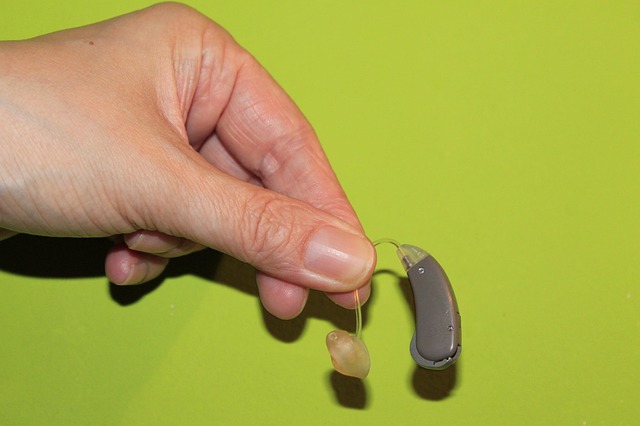
Are Beltone Hearing Aid Reviews Reflecting True Clinical Performance
OnePlus Tipped To Launch Compact Tablet With 8.8-Inch OLED Screen, Snapdragon 8 Gen 5
OnePlus is preparing to enter the compact tablet market with a new device featuring an 8.8‑inch OLED display and Qualcomm’s latest Snapdragon 8 Gen 5 processor. This move signals a strategic shift for the brand, which aims to strengthen its ecosystem beyond smartphones and wearables. The upcoming one plus tab is expected to balance portability, performance, and premium design, targeting users who want a small yet powerful tablet for entertainment and productivity. Based on current trends, this launch could redefine OnePlus’s position in the Android tablet segment.
The Emergence of OnePlus in the Compact Tablet Segment
As tablets evolve from niche productivity tools into mainstream devices, OnePlus sees an opportunity to fill the gap between large-screen tablets and smartphones. The company’s entry reflects both consumer demand for mobility and its ambition to create a cohesive ecosystem similar to Apple’s or Samsung’s.
Positioning of OnePlus in the Tablet Market
OnePlus’s first major step into the tablet space came with its larger-format Pad series, which emphasized integration with OxygenOS and cross-device connectivity. That model established a foundation for future iterations by focusing on smooth performance and balanced pricing. The new compact one plus tab continues this direction but aims at users seeking lighter devices without losing flagship power.
The global tablet market has seen renewed growth due to remote work, hybrid education, and streaming consumption. Compact tablets—especially those under nine inches—have become attractive because they combine smartphone-like convenience with extended screen real estate. Competitively, Apple dominates this subcategory through its iPad Mini line, while Samsung’s Galaxy Tab A‑series and Xiaomi’s Pad 6 models cater to Android users seeking affordability or specific features.
Strategic Importance of a Compact Form Factor
An 8.8‑inch form factor positions OnePlus between portability and usability. For commuters or students, such size fits easily into backpacks while providing enough space for note-taking or video playback. It also responds to ergonomic expectations: smaller bezels enhance immersion without compromising grip comfort.
Balancing productivity and entertainment remains key. A display under nine inches can still handle split-screen multitasking or stylus input if optimized through software scaling. This product also supports OnePlus’s broader diversification—offering more entry points into its ecosystem beyond phones and earbuds.
Display Innovation: The 8.8-Inch OLED Experience
Display technology has always been central to user perception of quality. By adopting OLED over LCD, OnePlus signals its intent to deliver premium visual fidelity even in smaller devices.
Technical Overview of the OLED Panel
The 8.8‑inch OLED panel is expected to feature high resolution—likely around 2K—with a refresh rate near 120 Hz for fluid motion rendering. OLED offers self-emissive pixels that provide deeper blacks and higher contrast ratios compared with traditional LCD panels. Its color accuracy benefits creative professionals who rely on consistent tone reproduction across devices.
Power efficiency also improves because individual pixels can turn off completely when displaying black content, extending battery life during dark-mode usage or video playback sessions.
Visual Experience and User Interaction Enhancements
For multimedia consumption, OLED delivers superior dynamic range that enhances HDR content from platforms like Netflix or YouTube. Gamers benefit from faster response times that reduce ghosting during rapid sequences.
Professional users may appreciate factory-calibrated color profiles aligned with DCI‑P3 standards, ensuring reliable visual output for photo editing or design tasks. Integration with OxygenOS further refines touch response through adaptive refresh control tuned for smaller screens.
Performance Architecture: Snapdragon 8 Gen 5 Integration
Performance defines how far a compact tablet can stretch beyond casual use. The Snapdragon 8 Gen 5 chipset brings next-generation computing power within an energy-efficient envelope suited for thin designs.
Hardware Capabilities and Efficiency Gains
Built on an advanced node process—likely 3 nm—the Snapdragon 8 Gen 5 combines high-performance CPU cores with an upgraded Adreno GPU capable of console-level rendering in mobile environments. AI acceleration modules improve multitasking by predicting user behavior patterns across apps.
Thermal management becomes crucial in compact chassis; vapor-chamber cooling or graphite layering may be employed to maintain sustained frequencies without throttling under load.
Benchmark Expectations and Real-world Implications
Compared with tablets using older flagship chips like Snapdragon 8+ Gen 1 or Apple’s A15 Bionic, performance gains could reach double-digit percentages in both graphics throughput and AI computation speed. Such metrics translate into smoother gaming experiences, faster app switching, and enhanced camera processing when used for AR features or document scanning.
Battery longevity often trades off against peak output; however, Qualcomm’s latest efficiency cores are designed to minimize idle drain while maintaining responsiveness during heavy workloads such as video editing or cloud collaboration tasks.
Design Philosophy and Build Quality Considerations
Design remains central to OnePlus identity—clean lines, tactile materials, and functional simplicity rather than ornamental excess define its hardware aesthetic.
Material Choices and Ergonomic Design Language
The upcoming one plus tab is likely crafted from aluminum alloy for rigidity while keeping weight below 400 grams for easy one-handed use. Rounded edges improve comfort during prolonged reading sessions or sketching activities.
OnePlus traditionally favors matte finishes that resist fingerprints yet reflect subtle gradients under light—traits consistent with its minimalist design ethos across smartphones like the OnePlus 12 series.
Connectivity and Port Configuration Insights
Connectivity options should include USB‑C supporting high-speed data transfer and display output modes compatible with external monitors. Stylus input may be supported via magnetic attachment along one edge, while keyboard accessories could transform it into a lightweight workstation setup.
Wireless capabilities will likely feature Wi‑Fi 7 readiness alongside optional 5G variants for always-connected productivity scenarios such as field reporting or cloud-based collaboration tools used by professionals on the move.
Software Ecosystem and Cross-device Integration
Software optimization defines how effectively hardware potential translates into daily usability—a critical differentiator among Android tablets today.
OxygenOS Optimization for Tablet Use Cases
OxygenOS on tablets adapts familiar phone gestures into multi-window workflows: drag-and-drop file sharing between apps, floating windows for quick reference notes, or persistent taskbars resembling desktop environments. Split-screen execution benefits from dynamic scaling algorithms that adjust interface density based on orientation changes.
Security patches remain part of OnePlus’s long-term support roadmap; enterprise users can expect regular updates addressing privacy compliance standards similar to ISO/IEC security frameworks applied in mobile ecosystems globally.
Interoperability Within the OnePlus Ecosystem
Cross-device continuity enhances workflow fluidity: clipboard sharing between phone and tablet allows seamless text transfer; file relay functions synchronize documents instantly via local Wi‑Fi links without third-party cloud dependency. Pairing with OnePlus Buds ensures automatic audio switching when attending calls across devices.
This interoperability aligns with OPPO’s unified ecosystem initiative built upon shared ColorOS base code—enabling resource pooling across brands under the same corporate umbrella while maintaining distinct user experiences per product line.
Market Outlook and Expert Perspectives on Adoption Potential
Industry analysts view this release as part of a broader push among Android manufacturers to reclaim share from Apple in premium compact categories where differentiation through design and display quality matters most.
Competitive Landscape Analysis in Compact Tablets Segment
The iPad Mini continues setting benchmarks through tight hardware-software integration but comes at higher price points. Samsung caters to mid-range consumers emphasizing stylus productivity via S‑Pen support, whereas Xiaomi targets value-driven buyers balancing cost against specification density.
OnePlus typically positions itself between these extremes—offering near-flagship specs at competitive pricing—which suggests strong appeal among tech-savvy audiences seeking performance without paying ultra-premium rates. Enterprise adoption might follow if accessory ecosystems mature quickly enough around keyboard docks or pen tools.
Future Implications for OnePlus’s Product Roadmap
Launching an 8.8‑inch device could influence future hybrid experiments such as foldables bridging phone-tablet boundaries within the same portfolio cycle. It also strengthens brand presence in multi-device ecosystems where seamless continuity drives loyalty—a model proven effective by Apple over years of vertical integration success.
Compact tablets may remain niche compared with full-size models but serve strategic roles as secondary devices complementing smartphones rather than replacing them entirely—a balance that suits OnePlus’s modular expansion philosophy moving forward.
FAQ
Q1: What makes the new one plus tab different from previous models?
A: It introduces an 8.8‑inch OLED screen paired with Snapdragon 8 Gen 5 power efficiency improvements aimed at combining portability with flagship-grade performance.
Q2: Will it support stylus input?
A: Based on current leaks, stylus compatibility is expected alongside magnetic attachment support similar to other premium tablets in its class.
Q3: How does it compare against Apple’s iPad Mini?
A: While both emphasize compactness, the one plus tab aims to offer comparable display quality at potentially lower cost within Android flexibility frameworks.
Q4: What connectivity options are anticipated?
A: USB‑C ports capable of video output, Wi‑Fi 7 readiness, optional 5G variants, and Bluetooth accessories integration are all likely inclusions.
Q5: When is it expected to launch?
A: Official timelines remain undisclosed but industry observers expect announcement cycles aligned with OnePlus’s annual hardware refresh later this year.