Are Good Routers for Gaming Ready to Leverage Wi-Fi 7 Power in 2026
Best Wi-Fi 7 Routers for 2026: Future-Proof Your Home Network With These Top Models
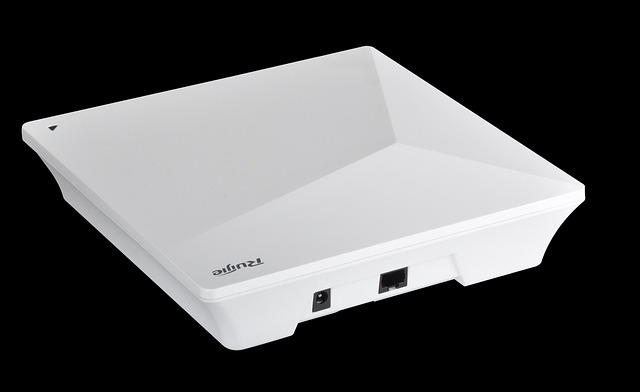
By 2026, Wi-Fi 7 routers will redefine what’s possible for gamers and high-performance networks. The next generation of wireless standards brings lower latency, higher throughput, and stability that rivals wired connections. For professionals seeking good routers for gaming, models equipped with Wi-Fi 7 chipsets will deliver the responsiveness required for competitive play and cloud-driven experiences. The shift from Wi-Fi 6E to Wi-Fi 7 marks a decisive leap toward multi-gigabit wireless ecosystems capable of supporting VR, streaming, and real-time collaboration.
The Evolution of Gaming Routers Toward Wi-Fi 7
The transition to Wi-Fi 7 represents more than incremental progress; it’s a structural change in how data moves across home and enterprise networks. For gaming routers, this shift means tighter control over latency and bandwidth allocation.
Technological Leap from Wi-Fi 6E to Wi-Fi 7
Wi-Fi 7 introduces wider channel bandwidths up to 320 MHz, doubling the throughput potential of Wi-Fi 6E. This expansion enables faster data delivery across both the 5 GHz and 6 GHz bands. Multi-Link Operation (MLO) further enhances performance by allowing simultaneous transmission across multiple frequency bands. In competitive gaming setups where milliseconds matter, reduced latency directly translates into smoother gameplay and fewer packet drops.
How Multi-Link Operation Changes Gaming Performance
With MLO, devices can dynamically select the best combination of links based on interference levels or congestion. This flexibility ensures stable connectivity during high-traffic sessions such as online tournaments or live-streaming events. When paired with deterministic scheduling mechanisms introduced in IEEE’s draft standards, jitter is minimized even under heavy load conditions.
Reduced Latency and Improved Throughput for Competitive Play
Gamers often experience lag spikes due to fluctuating network conditions. Wi-Fi 7’s improved spectral efficiency mitigates these disruptions by optimizing signal encoding through advanced modulation techniques like 4096-QAM. The result is more bits transmitted per symbol—ideal for fast-paced titles that demand consistent frame synchronization between players.
How Wi-Fi 7 Standards Address Gaming Network Bottlenecks
As bandwidth demands grow with cloud rendering and high-resolution streaming, traditional wireless architectures face congestion issues. Wi-Fi 7 directly tackles these bottlenecks through smarter modulation schemes and refined QoS frameworks.
Advanced Modulation (4096-QAM) Boosts Data Rates
The introduction of 4096-QAM increases data density within each transmission cycle by roughly 20% compared to the previous generation. In practice, this allows gaming routers to handle multiple gigabit streams simultaneously without compromising stability—a crucial advantage when hosting LAN matches or managing several connected consoles.
Deterministic Latency Mechanisms Reduce Jitter
For competitive environments like eSports arenas, deterministic latency mechanisms ensure predictable packet delivery times. This technology reduces jitter variance that often causes micro-stuttering in real-time applications such as first-person shooters or racing simulators.
Enhanced Quality of Service Prioritizes Gaming Traffic
Modern gaming routers integrate advanced QoS algorithms capable of identifying game packets automatically. By prioritizing this traffic over background downloads or streaming services, these systems maintain low ping values even during peak household usage periods.
Key Features Defining Good Routers for Gaming in the Wi-Fi 7 Era
Next-generation routers are not only about speed; they combine hardware strength with intelligent software design to deliver sustained performance under pressure.
Hardware Innovations Supporting Next-Gen Gaming Performance
High-end gaming routers now feature multi-core processors that accelerate packet inspection and routing decisions in real time. Combined with expanded RAM capacity—often exceeding 2 GB—these units manage dozens of concurrent connections without degradation. Manufacturers have also begun integrating active cooling systems similar to those found in GPUs to prevent thermal throttling during marathon gaming sessions.
Software Capabilities Enhancing Competitive Play
Adaptive QoS systems dynamically allocate available bandwidth based on active processes rather than static presets. AI-based traffic management further refines this approach by learning user patterns over time and adjusting prioritization accordingly. Professional gamers may also prefer firmware platforms offering granular control over parameters like channel width or beacon intervals for fine-tuned optimization.
Custom Firmware Options for Professionals
Open-source firmware variants remain popular among enthusiasts who require deep customization beyond factory defaults. These interfaces provide access to advanced diagnostic tools useful for monitoring latency fluctuations or interference sources across multiple SSIDs.
Evaluating the Readiness of Current Gaming Routers for Wi-Fi 7 Integration
While full-scale adoption is still developing, many existing high-end routers already include chipsets compatible with early versions of the new standard.
Compatibility and Firmware Upgrade Pathways
Several manufacturers have announced firmware upgrade programs allowing partial activation of Wi-Fi 7 features on current models. Modular hardware designs are becoming common, enabling users to replace radio modules instead of entire devices once certification finalizes. Backward compatibility remains a key focus so legacy devices continue functioning seamlessly during transition phases.
Early Adopter Considerations for Network Professionals
Network professionals should weigh early adoption costs against measurable performance gains before committing resources. Interoperability testing between client devices remains critical since not all vendors implement identical feature sets at launch stages.
Vendor Support Longevity Before Upgrading Infrastructure
Evaluating manufacturer support timelines helps avoid obsolescence risks as standards evolve. Long-term firmware updates ensure security patches and performance refinements remain available throughout the router’s lifecycle.
Anticipated Performance Gains for Gamers Using Wi-Fi 7 Routers in 2026
By mid-decade, gamers can expect tangible improvements in responsiveness and throughput as device ecosystems mature around the new specification.
Latency Reduction and Real-Time Responsiveness Improvements
Target Wake Time (TWT) scheduling minimizes contention delays by coordinating communication windows among connected clients—a major advantage in multiplayer environments where timing consistency matters most. Multi-link aggregation keeps latency low even when one frequency band becomes congested, maintaining fluid motion across sessions without sudden frame drops.
Bandwidth Expansion for Cloud and VR Gaming Applications
Cloud-rendered games transmit massive datasets requiring stable gigabit-class links; wider channels up to 320 MHz meet these demands comfortably. Enhanced uplink capacity also benefits streamers broadcasting live content while playing resource-intensive titles simultaneously.
VR and AR Platforms Benefit from Sustained Wireless Throughput
Virtual reality platforms depend heavily on uninterrupted data flow between headsets and host systems. With sustained gigabit-level throughput achievable over short distances, motion tracking accuracy improves noticeably—reducing nausea-inducing lag common in earlier wireless setups.
Strategic Recommendations for Network Experts Preparing for Wi-Fi 7 Deployment
Transitioning toward full Wi-Fi 7 integration involves careful planning across both infrastructure design and operational security domains.
Infrastructure Planning and Device Ecosystem Alignment
Before upgrading core hardware, professionals should assess client readiness including PCs, consoles, and peripherals expected to support upcoming standards natively. Implementing phased rollouts minimizes downtime while preserving network integrity during migration phases. Mesh architectures optimized for multi-gigabit backhaul links will likely dominate residential deployments due to their scalability advantages.
Security and Network Optimization Practices in the Wi-Fi 7 Context
Emerging protocols such as WPA4 promise stronger encryption suitable for low-latency traffic flows used in online gaming environments once standardized by IEEE committees. AI-driven anomaly detection tools can identify irregular packet behaviors indicative of intrusion attempts without disrupting gameplay sessions. Periodic audits remain essential as firmware updates gradually align with finalized IEEE specifications governing power efficiency and spectrum allocation policies.
FAQ
Q1: What makes Wi-Fi 7 different from previous generations?
A: It introduces wider channels up to 320 MHz and Multi-Link Operation that allows simultaneous use of multiple frequency bands for faster speeds and lower latency.
Q2: Are current good routers for gaming compatible with Wi-Fi 7?
A: Some premium models already contain chipsets capable of partial functionality through firmware updates until full certification arrives.
Q3: How does Wi-Fi 7 improve online multiplayer stability?
A: Through deterministic latency mechanisms and adaptive QoS systems that prioritize game packets over background data transfers.
Q4: Will VR games benefit significantly from upgrading?
A: Yes, sustained gigabit-level throughput reduces lag between headset sensors and host machines improving immersion quality considerably.
Q5: Should professionals upgrade immediately or wait?
A: Waiting may be prudent until interoperability tests confirm consistent cross-device performance and vendor support commitments extend beyond initial release cycles.