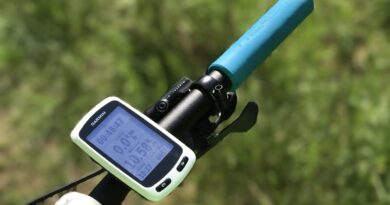
Are GPS Reviews Worth Reading Before You Buy a Tracker or Navigator
Why Should You Read GPS Reviews Before Buying?
If you are comparing trackers, dash units, pet locators, or handheld navigation gear, gps reviews can keep you away from a device that looks fine online but becomes a headache after a short time. In the Reviews section, the better habit is to look past the star rating and see how the device works on real streets, in parking garages, on rural roads, and in bad weather. GPS gear is not only about showing a dot on a map. It also depends on signal quality, alert speed, battery drain, app layout, subscription cost, and whether the unit keeps working when daily use gets rough.
Good reviews also help you tell the difference between sales copy and real use. A tracker may say “real-time location,” but that may mean updates every 5 seconds, every 30 seconds, or only after motion is detected. A car navigator may offer lifetime maps, yet the update process may take time or need a computer. These small details matter when the device is used for a vehicle, a child’s backpack, a pet collar, or a delivery route.

Real Accuracy Beats Big Claims
Accuracy should be checked first because GPS performance changes with the place where it is used. GPS.gov notes that smartphone GPS is typically accurate within about 4.9 meters, or 16 feet, under open sky, while signal blockage, satellite geometry, atmosphere, and receiver quality can all affect the result. That is a useful baseline, not a promise for every pocket, windshield, or glove box. Source: GPS.gov, GPS Accuracy page, reviewed July 2026. (gps.gov)
When a review says a tracker is accurate, check the test setting. Was it tested outside, in a city with tall buildings, inside a car, or in a basement parking level? A 10-foot drift may not hurt on a hiking trail, but it matters when you are trying to find a stolen e-bike locked near several apartment entrances.
Reviews Reveal App and Subscription Problems
Many GPS devices depend on mobile apps, and the app can make or break the product. A strong receiver still feels poor if the app is slow, filled with pop-ups, or tied to a monthly plan that is hard to understand. Reviews often point out fees that product pages leave in small print. For example, a low-cost tracker may need a cellular plan for live location, while a premium navigator may charge extra for traffic data or map packs outside your home region.
Before buying, look for comments about setup time, alert delay, account sharing, and cancellation. These notes are not exciting, but they often tell you more than a clean product photo or a short five-star comment.
Long-Term Feedback Shows Real Value
Fresh reviews explain how setup feels on day one. Long-term reviews show whether the product holds up through heat, vibration, rain, firmware updates, and battery aging. A GPS tracker left inside a hot dashboard in July has a harder job than one used once a month on a weekend hike. If a reviewer talks about six months of use, charging habits, or how customer support handled a dead unit, that feedback is worth reading carefully.
Which GPS Device Type Fits Your Daily Use?
Not every GPS product is built for the same job. Some devices guide you on a screen, some report a car location in the background, and some are made for pets, kids, seniors, tools, boats, or outdoor travel. A review is more useful when you match the device to your daily routine instead of chasing the highest rating.
Vehicle Trackers for Theft and Fleet Visibility
Vehicle trackers are common because theft and recovery are real concerns for both private owners and small fleets. The National Insurance Crime Bureau reported 1,020,729 vehicle thefts in the United States in 2023, up about 1 percent from 2022. That does not mean a tracker can stop every theft, but it explains why many buyers want location alerts, geofences, ignition notices, and trip history. Source: National Insurance Crime Bureau, 2023 vehicle theft report. (nicb.org)
For personal cars, you may want a small OBD-II tracker or a battery-powered unit hidden away from the port. For small business fleets, you may need driver reports, route logs, maintenance alerts, and several user accounts. Reviews should say whether the tracker updates quickly during motion and whether the app sends alerts without a long delay.
Portable Navigators for Drivers Who Hate Phone Distractions
A dedicated GPS navigator still makes sense if you drive long distances, rent vehicles, deliver goods, or do not want to drain your phone battery. Useful reviews cover route quality, screen brightness, lane guidance, voice prompts, map update steps, and how well the unit reroutes after a missed turn. Even a weak suction mount can spoil the whole drive. It sounds minor, but drivers notice it fast.
Phone navigation is enough for many city trips, but a standalone unit can be easier to read in strong sun. It also avoids interruptions from calls, messages, and low battery warnings while you are driving.
Pet and Personal Trackers for Fast Alerts
Pet and personal trackers are mainly about speed, comfort, and alert reliability. If a dog slips through a gate, a location update from three minutes ago is not good enough. If a child or older family member carries a small GPS device, the SOS button, battery life, and app permissions matter more than fancy route playback.
Good reviews mention collar weight, waterproof rating, safe-zone setup, alert timing, and how well the device works indoors near windows. No tracker works like magic indoors, but some models handle weak signal areas better than others.
How Can You Judge GPS Accuracy in Reviews?
Accuracy claims need careful reading. GPS does not perform the same in open farmland, downtown streets, tunnels, homes, or under heavy tree cover. A reviewer who tests only from a front porch gives you a small view. A reviewer who drives, parks, walks, and repeats the route gives you better evidence.
Open-Sky Tests Set the Baseline
Open-sky tests show what the receiver can do in easier conditions. If a tracker performs poorly in an open parking lot, that is a warning sign. The review should show whether the device finds location quickly after startup and whether the map pin stays steady when the device is not moving.
Cold start time also matters in normal use. A device that wakes up and reports within 20 seconds feels very different from one that takes several minutes. For stolen vehicle recovery or a lost pet, those minutes can feel long.
Urban Canyons Create Map Drift
Tall buildings can bounce satellite signals and cause map drift. In reviews, this may show up as a vehicle icon jumping to the next street or a walking route cutting through buildings. That does not always mean the device is broken. Often, it is the result of the local environment.
Better devices usually smooth the route, combine satellite data with cellular or Wi-Fi location, and avoid large jumps. If several reviewers in dense cities report the same issue, treat it as a real pattern rather than one bad test.
Indoor Use Needs Realistic Expectations
GPS signals are weak indoors, so indoor tracking needs realistic expectations. A tracker inside a garage, metal toolbox, backpack, or vehicle trunk may rely on nearby cell towers, Wi-Fi signals, or last known location. Reviews should say this clearly. A device that promises perfect indoor tracking should be checked with care unless independent tests support the claim.
The Federal Communications Commission’s E911 rules show how difficult indoor location can be at scale. FCC materials tied to wireless 911 location accuracy set benchmarks such as 50-meter horizontal accuracy for large portions of calls, which is much wider than what many shoppers expect from a moving map dot. Source: Federal Register, Wireless E911 Location Accuracy Requirements, 2015 and 2021 rule materials. (thefederalregister.org)
What Features Matter More Than the Star Rating?
A five-star average can help, but the feature set decides whether a GPS product fits your job. You need to know how often it updates, how long the battery lasts, how easy the app is to use, and what happens when the signal drops. Reviews with screenshots, route examples, and fee details usually carry more weight than one-line praise.
Battery Life and Update Frequency
Battery life and update frequency work against each other. Faster updates use more power. A tracker that reports every 5 seconds may need charging often, while a device that reports every 5 minutes may last longer but feel slow in an emergency. Read reviews for real charging habits, not only the number printed on the box.
For a vehicle tracker with hardwiring or OBD power, battery life may matter less than power-loss alerts. For a pet tracker, a two-day battery can be acceptable if charging is simple. For luggage, a long standby mode may be more useful than live tracking.
Geofences and Alert Timing
Geofences are virtual zones around places such as a home, school, parking lot, office, or job site. The key point is not just whether the feature is listed. You need to know how fast alerts arrive and how many false alerts the system sends. See also: Gadgets.
Good reviews mention whether geofence boundaries are easy to draw, whether notifications arrive on both iPhone and Android, and whether the app lets you share alerts with family or staff. Too many false alerts will train users to ignore the system, and that defeats the purpose.
Build Quality and Mounting Options
Build quality is easy to miss when buying online. A GPS unit may work well on day one but fail after summer heat, rain, vibration, or repeated cable use. Look for reviews that mention IP ratings, cable fit, magnet strength, case material, and screen glare.
Mounting also changes the result. A car tracker hidden deep under metal may report poorly, and a navigator placed too low may be hard to check safely. A pet tracker with a loose clip can fall off and become an expensive piece of plastic in the grass.
Are Cheap GPS Trackers a Good Deal?
Cheap GPS trackers can be good buys when the full cost and use case make sense. A low purchase price may hide monthly fees, weak support, short battery life, or a poor app. At the same time, not every buyer needs a premium device with enterprise reports and deep history tools.
Total Cost Includes Monthly Fees
Most live GPS trackers need cellular service, so they usually come with a monthly or annual plan. A $29 tracker with a $19.99 monthly fee may cost more after one year than a $99 tracker with a cheaper plan. Reviews should calculate the total cost for at least 12 months. It is plain math, but it helps prevent a bad purchase.
Check for activation fees, cancellation rules, roaming charges, and whether the device becomes useless without a subscription. Some Bluetooth tags are sold near GPS products, but they do not offer true satellite-based live tracking. That difference matters when you are buying for recovery or safety.
Low Price Can Mean Fewer Safety Features
Low-cost devices may leave out SOS buttons, tamper alerts, waterproofing, crash detection, or shared family access. For casual luggage tracking, that may be acceptable. For a teen driver, work vehicle, or older adult, missing safety features can become a real problem.
NHTSA states that about 37 children die each year from heatstroke in vehicles, and nearly 3 in 10 such deaths happen when an unattended child gains access to a vehicle. A GPS tracker alone is not a hot-car safety system, but reviews of family-focused devices should explain alerts, reminders, and limits clearly. Source: National Highway Traffic Safety Administration, Child Safety materials, reviewed July 2026. (nhtsa.gov)
Support Quality Matters After Purchase
Support is not the most exciting part of gps reviews, but it can decide whether the purchase is worth keeping. If a SIM card fails, an app login breaks, or a firmware update causes trouble, you need a company that answers. Look for reviews that mention replacement speed, chat quality, warranty handling, and whether support staff solve real technical problems.
A cheap tracker with no support can turn into e-waste quickly. A mid-priced device with steady support may be the better buy, even if its spec sheet looks less impressive.
How Should You Read GPS Reviews Like a Pro?
The best way to read reviews is to look for repeated patterns, not one loud comment. One angry review may be caused by a bad unit or poor setup. Twenty similar complaints about delayed alerts probably point to a product weakness. Compare praise, complaints, test conditions, and your own use case before deciding.
Check the Reviewer’s Use Case
A review from a long-haul driver does not always apply to a parent tracking a teen driver. A hiker’s handheld GPS also needs different strengths from a pet tracker. Before trusting a review, check what the person actually did with the device.
Useful reviews include route length, city or rural conditions, phone model, app version, battery mode, and how long the test lasted. Vague comments such as “works great” are fine to read, but they do not give much buying information.
Compare Complaints Across Stores
Do not rely on one product page only. Compare comments from the brand’s site, retail stores, app store ratings, and independent review sites. If app users keep mentioning login bugs or delayed notifications, take that seriously. A tracker is only as good as the app you need to open every day.
Also check the date of the review. A device may improve after a firmware update, or it may get worse after an app redesign. Sort by recent reviews when the site allows it.
Match the Device to One Main Job
Choose one main job before buying. Is the device for theft recovery, route guidance, pet escape alerts, teen driver habits, hiking backup, or asset tracking? A product that tries to cover everything may not handle your main job well.
For most buyers, the right GPS device is not the most expensive one. It is the one with the right accuracy, update speed, battery setup, app quality, and cost for your daily routine. That is where solid reviews save time and money.
FAQ
Q1: Are GPS Reviews Reliable for Choosing a Tracker? A: They are useful when they include real test conditions, app details, battery notes, and long-term use. Short star-only comments should be treated as weak evidence.
Q2: What Is the Most Important GPS Feature to Check? A: Accuracy comes first, but update speed, battery life, subscription cost, and app alerts are just as important in daily use.
Q3: Do All GPS Trackers Need a Monthly Fee? A: Live GPS trackers usually need cellular service, so many require a plan. Some offline navigators and Bluetooth tags do not, but they work in a different way.
Q4: Can a GPS Tracker Work Indoors? A: Sometimes, but indoor performance is limited. Many devices use last known location, Wi-Fi, or cellular signals when satellite reception is weak.
Q5: Should You Buy the Cheapest GPS Tracker? A: Only if it fits your main job and the total yearly cost is still low. Check support, app quality, and hidden fees before choosing.