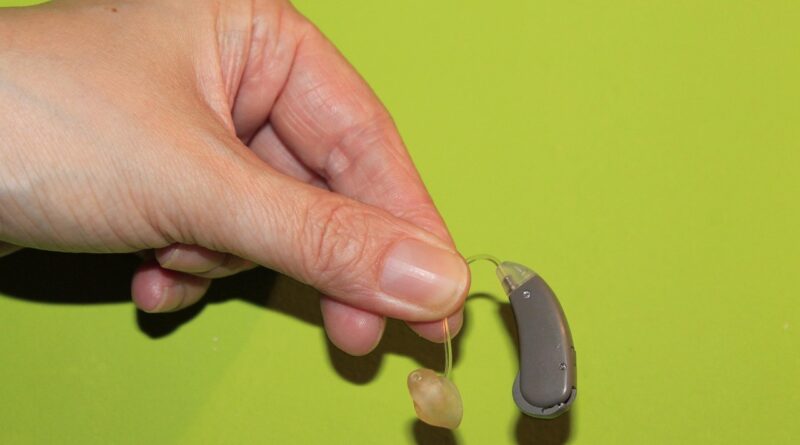
Starkey hearing aids reviews for Omega AI, Edge AI and custom models
Quick verdict for buyers
Starkey hearing aids reviews point to a brand that is best suited to buyers who want prescription devices fitted and adjusted by a hearing professional, rather than a quick self-fit option. The appeal is clear: AI-based sound processing, long rechargeable battery claims, custom in-ear styles, Bluetooth features and app-based controls. The cautions are just as important. Starkey can be expensive, outcomes depend heavily on fitting quality, and user feedback is mixed on background noise, feedback, phone streaming and app reliability.
For buyers comparing Omega AI, Edge AI, Genesis AI or Signature Series, the real question is not simply whether Starkey is a good brand. It is whether the specific model, technology tier, ear style and local provider match your hearing loss, phone, budget and willingness to return for fine-tuning.
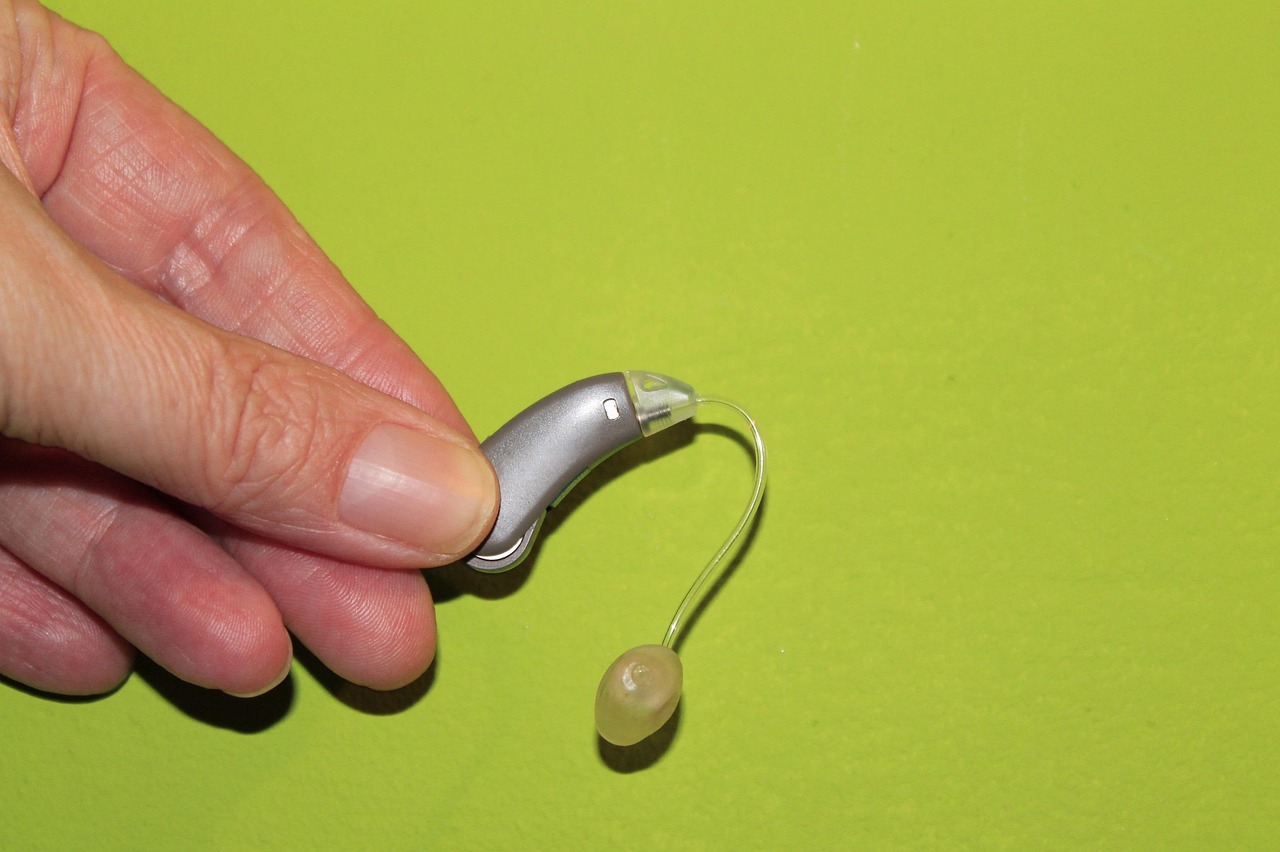
| Buyer type | How Starkey fits | What to verify before purchase |
|---|---|---|
| Users with complex or moderate-to-severe hearing needs | Prescription fitting and multiple styles can be useful. | Ask whether the model and receiver power match your audiogram. |
| People who want small custom devices | Signature Series and custom Omega AI styles are a major Starkey strength. | Confirm battery type, wireless features and repair terms. |
| Heavy smartphone and streaming users | Omega AI and Edge AI support modern app and Bluetooth features. | Check phone compatibility before paying a deposit. |
| Price-sensitive first-time buyers | Starkey may cost more than many OTC alternatives. | Compare total cost, trial period, follow-up visits and loss coverage. |
What Starkey sells now
Starkey is best understood as a prescription hearing-aid brand with several overlapping product families. Its newer premium line is Omega AI, introduced by Starkey on October 9, 2025. The company said Omega AI added DNN 360 processing, improved directionality and spatial awareness, new indicator lights on selected behind-the-ear styles, wellness tools in the My Starkey app and support for modern wireless features such as Bluetooth LE Audio and Auracast assistance where compatible devices are used.
Edge AI remains important because many reviews and provider quotes still compare it with Omega AI. Edge AI already emphasized automatic listening adjustments, Edge Mode+ and rechargeable options. Genesis AI is an older but still relevant platform in many discussions, especially where buyers are comparing discounted or insurance-supported models.
Signature Series is a different proposition. It focuses on very small custom devices, including completely-in-canal and invisible-in-canal options. Starkey product information lists a rechargeable completely-in-canal Signature model with up to 38 hours of battery life and water resistance up to 1 meter for the eligible rechargeable style.
The practical takeaway is simple: a Starkey review should name the exact family and technology level. A top-tier Omega AI 24 receiver-in-canal device is not the same purchase as a Genesis AI 12, a Signature Series IIC or a lower-tier custom device. Sound processing, battery format, app controls, Bluetooth behavior and price can all differ.
What reviewers tend to like
Speech handling and noise management
Positive expert commentary often centers on speech clarity and noise handling. Starkey says Omega AI can deliver up to 28% better speech intelligibility in challenging environments and up to an 8 dB signal-to-noise ratio improvement compared with its referenced baseline. Independent review sources are more cautious, but generally frame Omega AI as an improvement over Edge AI rather than a substitute for careful fitting.
HearingTracker and HearAdvisor reported strong lab and real-world scores for Omega AI in 2026, including a 4.6 out of 5 tuned SoundScore and a 4.4 out of 5 overall HearingTracker score. Those scores are useful reference points, but they should not be read as a guarantee for one person’s ear, audiogram or listening environment.
Battery life and daily convenience
Battery life is another commonly cited advantage. Starkey publishes up to 51 hours for selected rechargeable receiver-in-canal configurations and up to 38 hours for the rechargeable Signature Series completely-in-canal model. These are maximum figures under specific conditions, not a promise that every user will get the same result while streaming heavily. Even so, long rated battery life can matter for users who forget to charge, travel often or wear their devices for long days.
Custom fit and discreet styles
Starkey has a long-standing reputation for custom in-ear products. This matters because comfort, retention and appearance are not minor details. A device that sounds good in a clinic but feels bulky behind glasses, works loose during movement or causes ear fatigue may not be worn consistently. Signature Series is especially relevant for buyers who want a less visible device, although the smallest styles may involve trade-offs in battery size, onboard controls and wireless features.
App and wellness features
The My Starkey app is a major part of the current value proposition. Starkey describes features such as program changes, streaming controls, activity tracking, respiratory-rate monitoring and balance-oriented tools on compatible Omega AI devices. These extras may help some users engage more actively with their hearing care, but they are secondary to hearing performance. A hearing aid should still be judged first on audibility, comfort, speech understanding and reliability.
Common complaints and limitations
The main complaint in Starkey hearing aids reviews is not that the devices lack technology. It is that expectations can exceed real-world hearing-aid limits. No hearing aid restores natural hearing, and restaurants, wind, reverberant rooms and competing voices remain difficult for many users. A premium model can improve the odds, but a poor fit, the wrong dome or receiver, unverified programming or an unrealistic sales promise can make an expensive pair feel disappointing.
Consumer review patterns support this more balanced view. A late-August 2026 snapshot of a major consumer-review page showed many positive Starkey ratings, with 260 five-star reviews and 80 four-star reviews displayed, but also 70 one-star reviews. Positive comments often mentioned better conversations, helpful local staff, Bluetooth convenience and strong battery life. Negative comments often focused on price, background noise, feedback, app login or pairing problems, repairs and dissatisfaction after paying for a high-end model.
Phone compatibility deserves special attention. Starkey compatibility information in 2026 listed different operating-system requirements for hearing-aid support and the My Starkey app. It also indicated that newer Android features such as Google Fast Pair are tied to specific models and versions. Buyers should not assume every iPhone, Android phone, tablet or laptop will behave the same. Bring the actual phone to the fitting appointment and test calls, streaming, app controls and reconnection before the trial period ends.
Starkey compared with OTC hearing aids
Starkey should not be evaluated in the same way as a low-cost over-the-counter hearing aid. FDA guidance states that OTC hearing aids are intended for adults 18 and older with perceived mild-to-moderate hearing loss and can be bought without a medical exam, prescription or audiologist fitting. Prescription hearing aids are the broader category for devices that do not meet OTC requirements and are fitted by licensed hearing professionals. Starkey devices are generally sold through hearing-care providers, so the service model is part of the product. See also: Gadgets.
That service can be worth paying for if your hearing loss is asymmetric, more than mild, accompanied by tinnitus concerns, or affected by ear anatomy, dexterity or cognitive load. It can also matter if you need real-ear measurement, custom molds, repairs, reprogramming or counseling over several visits. For a mild first-time user who mainly needs occasional amplification, an OTC product may be a reasonable comparison. For someone who struggles daily in meetings, restaurants or family conversations, Starkey’s provider-fit approach may offer more room for adjustment.
Market data shows why this comparison matters. MarkeTrak 2025, fielded in October and November 2024, estimated U.S. hearing-aid adoption at 39%, including 33.5% using traditional hearing aids and 5.7% using OTC hearing aids. It also found that about 67% of hearing-aid owners reported daily use. The lesson for buyers is straightforward: the best device is not the one with the longest feature list, but the one you will wear consistently.
Price, trial period and provider quality
Starkey does not publish one universal national price. Final cost often depends on the model, technology tier, custom shell, charger, accessories, clinic service package, insurance and financing. Public review sources in 2026 commonly placed Starkey prescription pairs in the low-thousands range, with premium configurations sometimes quoted much higher. The exact number matters, but what is included matters just as much.
Before buying, ask for an itemized written quote. It should identify the model, technology level, ear style, charger, accessories, warranty length, loss-and-damage terms, repair handling, included follow-up visits and trial-period rules. Also ask whether real-ear measurement or another verification method will be used. Two people can buy the same Starkey model and have very different outcomes if one receives careful verification and follow-up while the other receives only a quick first fit.
- Ask which exact Starkey family and technology tier you are buying.
- Confirm the trial length and whether refund fees apply.
- Test speech in quiet, speech in noise, TV, phone calls and outdoor wind.
- Check whether your phone supports the app and streaming features you want.
- Schedule at least one follow-up adjustment before deciding to keep the devices.
- Compare the Starkey quote with at least one other prescription brand and one suitable OTC option if your hearing loss is mild-to-moderate.
For more buyer-focused comparisons across electronics and assistive devices, visit our Reviews section.
Final assessment
Starkey is a strong candidate if you want a premium prescription hearing aid, value rechargeable endurance, prefer custom in-ear designs and are willing to work with a provider through several adjustments. Omega AI is the main family to consider if you want Starkey’s newest processing and app features. Edge AI and Genesis AI may still make sense when pricing, insurance or local availability are favorable. Signature Series is most relevant for buyers who prioritize discretion and custom fit.
The brand is less compelling if you want the lowest upfront cost, dislike app-based troubleshooting, have a phone that is not compatible, or expect any hearing aid to remove all background noise. A fair Starkey review should end with a trial recommendation: buy only with a clear return window, test the devices in your real environments and judge the provider as carefully as the hardware.
Frequently asked questions
Are Starkey hearing aids good?
Yes, Starkey makes credible prescription hearing aids with advanced processing, custom styles and strong app features. However, user satisfaction depends on the exact model, hearing loss, fitting quality, phone compatibility and follow-up care.
How much do Starkey hearing aids cost?
Prices vary by provider and package. Public 2026 review sources commonly describe Starkey pairs as multi-thousand-dollar purchases, with premium models costing more. Ask for an itemized quote rather than comparing only the headline price.
Is Omega AI better than Edge AI?
Omega AI is the newer platform, and Starkey’s October 2025 launch materials describe upgraded processing, wellness tools and connectivity features. Independent reviews also reported improvements over Edge AI. Still, Edge AI may remain a reasonable choice if the price is lower and the fitting meets your needs.
Are Starkey hearing aids OTC?
Starkey is mainly reviewed and sold as a prescription hearing-aid brand through hearing-care professionals. OTC hearing aids are a different FDA category for adults with perceived mild-to-moderate hearing loss and do not require professional fitting.
What is the biggest risk when buying Starkey?
The biggest risk is paying premium prices without enough verification, trial testing or follow-up adjustment. Make sure the provider tests your real needs, confirms phone compatibility and gives you enough time to evaluate the devices outside the clinic.