Is A Smarthouse The Future Of Feline Comfort With Raspberry Pi Automation
Cozy Cats Live in a Raspberry Pi-Powered Luxury Automated Smart House
In modern pet care, the concept of a smarthouse for cats has evolved from novelty to necessity. Feline comfort now merges with automation, where Raspberry Pi boards manage feeding, climate, and play routines. This approach blends behavioral science with IoT engineering to create adaptive environments that keep cats safe, stimulated, and healthy. Experts see these systems as prototypes for data-driven welfare models that balance independence and affection. The conclusion is clear: a Raspberry Pi-powered smart home isn’t just luxury—it’s the next logical step in responsible feline living.
The Concept of a Smart House for Feline Comfort
The rise of connected devices has redefined how domestic spaces respond to animal needs. In feline habitats, automation doesn’t only simplify maintenance—it reshapes how comfort and safety are maintained through data feedback and intelligent control.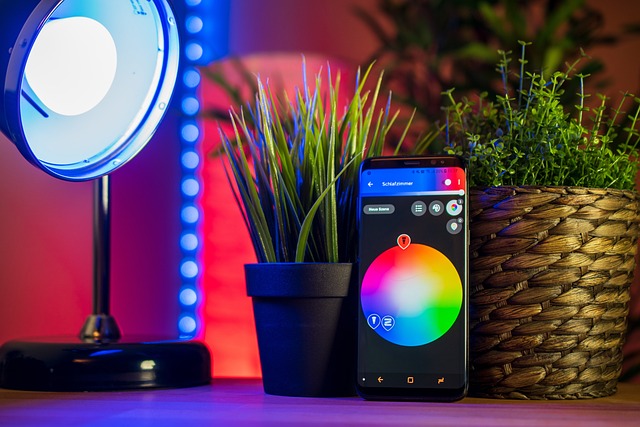
The Shift Toward Integrating Smart Technologies into Animal Care Environments
Pet owners increasingly adopt automation to manage feeding schedules, monitor activity, and adjust environmental conditions. Smart lighting mimics daylight cycles while temperature sensors maintain cozy resting zones. These systems reduce stress for both cats and caretakers by maintaining consistent conditions even during absence.
How Feline Behavioral Patterns Influence Smart Home Design
Cats thrive on predictability but crave autonomy. Their nocturnal nature demands lighting systems that adapt subtly through the night. Motion tracking reveals preferred sleeping spots, allowing automated heating pads or air vents to adjust locally. Designers often integrate vertical spaces monitored by sensors to accommodate climbing instincts without compromising safety.
The Role of Automation in Maintaining Comfort, Safety, and Enrichment for Cats
Automation supports welfare through precision rather than complexity. Timed feeding avoids overeating; ambient noise control reduces anxiety during storms or fireworks. Advanced setups even analyze movement data to detect early signs of illness such as lethargy or irregular gait patterns.
The Role of Raspberry Pi in Smart Pet Environments
Raspberry Pi serves as the backbone of many smarthouse projects because it offers flexibility at minimal cost. Its modularity allows developers to prototype quickly while maintaining compatibility with open-source ecosystems.
Raspberry Pi as a Modular and Cost-Effective Automation Controller
Small yet powerful, Raspberry Pi handles multiple tasks simultaneously—from controlling servo motors in toys to logging sensor data in real time. Its GPIO pins make it ideal for connecting diverse components like temperature probes or RFID feeders without expensive proprietary hubs.
Advantages of Open-Source Systems for Customization and Scalability
Open-source frameworks enable continuous improvement through community collaboration. Engineers can modify Python scripts or Node-RED flows to refine automation logic based on specific feline behaviors. This adaptability ensures scalability from single-room setups to entire multi-cat homes.
Integration with Sensors, Actuators, and IoT Devices Tailored to Feline Needs
Typical configurations include PIR motion sensors for activity mapping, humidity sensors near litter boxes, and servo-controlled feeders calibrated by weight data. Cloud connectivity extends monitoring beyond local networks, allowing remote adjustments via secure dashboards.
Designing an Automated Environment for Cats
Creating an automated habitat requires balancing engineering precision with biological empathy. Each system—climate control, feeding automation, or surveillance—must interact smoothly within a unified network architecture.
Environmental Monitoring and Control Systems
Temperature regulation relies on closed-loop feedback using digital thermometers linked to HVAC relays controlled by the Raspberry Pi. Humidity sensors prevent respiratory discomfort by maintaining optimal moisture levels around 40–50%. Air quality modules detect ammonia buildup from litter areas and trigger ventilation fans automatically.
Adaptive lighting simulates dawn-to-dusk transitions aligned with feline circadian rhythms. LED arrays shift color temperature gradually to promote natural sleep-wake cycles without startling sudden changes.
Smart Feeding and Hydration Solutions
Automated feeders dispense precise portions based on stored dietary profiles. Weight sensors beneath bowls track consumption trends over time to flag deviations suggesting appetite loss or overeating tendencies. Water dispensers use filtration cartridges combined with flow sensors that trigger refills when volume drops below threshold levels—keeping hydration consistent even during owner absence.
Safety and Surveillance Mechanisms
Infrared motion tracking distinguishes between normal roaming patterns and unusual inactivity periods that may indicate distress. Cameras integrated through secure VPN access allow remote observation without privacy compromise. Alert systems send notifications when restricted zones are breached or when prolonged immobility is detected within defined time windows.
Enhancing Enrichment Through Automation
Beyond comfort lies enrichment—the emotional dimension of feline well-being that technology can amplify through interactive play and sensory engagement.
Interactive Play Systems Powered by Raspberry Pi
Motorized feather toys connected via GPIO interfaces create unpredictable movement sequences controlled by randomized algorithms. Machine learning routines analyze engagement frequency to adjust play intensity over time. Some advanced prototypes include voice-triggered activation responding when cats meow near microphones—bridging communication between species in subtle ways.
Environmental Enrichment Through Sensory Stimulation
Automated scent diffusers release cat-safe aromas like valerian or silver vine at intervals correlated with relaxation periods identified from motion logs. Dynamic surfaces change texture under paw pressure using micro-actuated mats, stimulating tactile curiosity while preventing boredom during long indoor hours.
Behavioral Feedback Loops Informed by Data from Motion and Proximity Sensors
Collected sensor data feeds into behavioral models that map daily activity cycles—resting durations, exploration peaks, grooming times—and adjust environment parameters accordingly. Over weeks, the system learns individual preferences such as favored napping temperatures or preferred toy patterns.
Data Analytics and Behavioral Insights in Smart Feline Homes
Data transforms routine automation into predictive care models capable of early anomaly detection—a crucial frontier in proactive pet health management.
Collecting and Interpreting Data from Multiple Sensors
Raspberry Pi aggregates streams from thermal cameras, accelerometers on collars, feeding logs, and environmental monitors into structured databases processed locally before cloud synchronization. Machine learning classifiers identify deviations from baseline behavior profiles such as reduced mobility after meals—potentially signaling digestive discomfort or joint pain.
Using Machine Learning Models to Identify Behavioral Trends or Anomalies
Trained algorithms compare current metrics against historical baselines using supervised learning techniques similar to those applied in human wellness tracking devices validated under IEEE standards for biosignal analysis accuracy (IEEE 11073).
Predictive Analytics for Early Detection of Health or Behavioral Issues
Predictive modules forecast potential stress triggers—temperature spikes or noise surges—and initiate preventive actions like dimming lights or activating soothing soundscapes before distress escalates visibly.
Technical Architecture of a Raspberry Pi-Powered Smarthouse System
A robust technical foundation underpins every successful smarthouse deployment for cats—from hardware wiring layouts to software orchestration layers ensuring reliability under continuous operation.
Hardware Components and Network Infrastructure
Core elements include Raspberry Pi boards interfaced with microcontrollers managing analog inputs from sensors measuring temperature or motion; relays controlling actuators; high-definition cameras transmitting encrypted video feeds; all interconnected via MQTT protocol over Wi-Fi mesh topology ensuring low-latency communication across rooms.
Power management circuits employ uninterruptible supplies rated per IEC 62040 standards guaranteeing resilience during outages critical for maintaining life-supporting ventilation systems within enclosed cat habitats.
Software Frameworks and Control Interfaces
Python-based scripts automate device coordination while Node-RED visual flows simplify rule creation through drag-and-drop logic blocks accessible even to non-programmers familiar with electronics basics. Home Assistant integrations provide centralized dashboards displaying metrics such as temperature trends or feeding histories viewable on mobile apps secured by OAuth2 authentication layers compliant with ISO/IEC 27001 cybersecurity guidelines.
Ethical Considerations and Future Directions in Automated Pet Care
Technology must serve welfare rather than convenience alone; ethical design remains central as automation expands deeper into animal care domains.
Balancing Automation with Human Interaction Needs
Automation cannot replace affection—the core emotional bond between humans and pets sustains psychological health on both sides. Systems should complement caregiving routines instead of isolating animals behind digital interfaces.
Ethical Implications of Continuous Monitoring in Private Pet Spaces
Continuous video surveillance raises privacy questions not just for owners but also concerning animal autonomy perception within confined spaces monitored constantly—a debate gaining traction among ethicists studying AI-human-animal relationships under emerging ISO/TC 299 robotics ethics frameworks.
Design Principles Promoting Welfare-Centered Automation Rather Than Efficiency-Driven Models
Developers increasingly prioritize empathetic design cues—soft lighting transitions instead of abrupt signals—to align technological efficiency with emotional sensitivity ensuring that progress never compromises comfort or dignity within shared living ecosystems.
Future Prospects of Feline-Centric Smart Homes
Next-generation smarthouses will integrate veterinary telehealth APIs enabling real-time diagnostics based on collected biometric data streams analyzed via cloud AI engines certified under IEC 62304 medical software lifecycle standards—bridging home environments directly with clinical expertise networks worldwide.
FAQ
Q1: How does a Raspberry Pi differ from commercial pet automation hubs?
A: It offers modularity at lower cost while allowing full customization using open-source codebases unavailable in closed commercial systems.
Q2: Can smart houses detect early signs of illness in cats?
A: Yes, analytics modules identify deviations like reduced movement or irregular feeding patterns suggesting potential health concerns before symptoms become visible.
Q3: What are the main energy considerations in continuous operation?
A: Efficient power supplies following IEC energy management guidelines minimize consumption while maintaining uptime during outages through battery backups.
Q4: Are there privacy risks associated with camera-based monitoring?
A: Proper encryption protocols such as TLS ensure secure video transmission preventing unauthorized access while maintaining owner oversight rights responsibly.
Q5: Will future feline smarthouses connect directly with veterinarians?
A: Integration with telehealth platforms is already emerging where diagnostic alerts trigger automatic appointment scheduling based on sensor-derived health indicators stored securely in cloud databases.