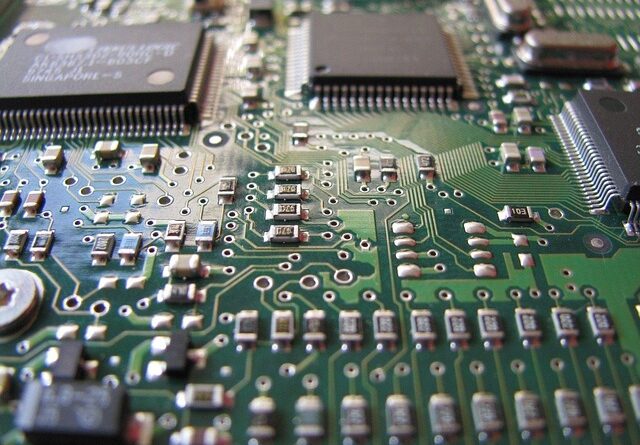
How Do Circuit Board Components From CERN’s KiCad Library Transform Design Efficiency
CERN’s Open Source KiCad Library Gives the World 17,000 Circuit Board Components
CERN’s open source KiCad library has reshaped how engineers access, verify, and reuse circuit board components. By releasing a validated set of 17,000 parts under an open license, CERN has effectively democratized professional-grade PCB design. The library merges scientific rigor with community collaboration, offering a transparent foundation for both research and commercial projects. This initiative not only reduces design time but also strengthens interoperability across modern EDA ecosystems. For many in the electronics field, it represents a turning point where open hardware meets industrial reliability.
The Evolution of Circuit Board Design Tools
The journey of electronic design automation (EDA) tools mirrors the broader shift from closed innovation to collaborative engineering. Over decades, proprietary systems defined the workflow of circuit board designers but at significant cost and rigidity.
From Proprietary Systems to Open-Source Platforms
Early PCB design software was tightly controlled by vendors who dictated formats and workflows. Licensing models often restricted flexibility and discouraged experimentation. Engineers faced compatibility issues when transferring files between tools or sharing designs across teams. The emergence of open-source alternatives changed that landscape by introducing transparency and user-driven development. Collaborative communities began refining features faster than commercial cycles allowed, paving the way for more inclusive innovation.
The Emergence of KiCad as a Global Standard
KiCad’s transformation under CERN’s guidance marked a pivotal moment in EDA history. Originally a modest open-source project, it gained institutional credibility when CERN invested in its development infrastructure. Integration with advanced workflows—such as differential pair routing and push-and-shove layout—made it viable for professional use. Its community-driven roadmap ensures that updates reflect practical engineering needs rather than marketing priorities. This dynamic has positioned KiCad as both an educational tool and a production-ready platform for complex designs.
Understanding CERN’s KiCad Component Library
CERN’s contribution extends beyond software improvement; it encompasses a comprehensive component repository designed to eliminate redundancy and inconsistency in circuit board projects.
Structure and Organization of the 17,000 Components
The library’s architecture reflects engineering discipline at scale. Each component is classified by its electrical role—resistors, capacitors, ICs—and linked to standardized footprints compliant with IPC specifications. Consistent naming conventions simplify searches across large projects while embedded metadata enhances automation during validation stages. This structure supports efficient reuse across multiple designs without manual reconfiguration.
Quality Assurance and Validation Processes
CERN applies stringent verification procedures before any component enters the official library. Symbols are cross-checked against manufacturer datasheets to confirm pin assignments and mechanical tolerances. Automated scripts detect footprint misalignments or missing attributes that could cause manufacturing errors. Continuous feedback from global contributors further refines accuracy over time, creating a self-correcting ecosystem that balances openness with precision.
Enhancing Design Efficiency Through Component Reusability
Modern electronics teams face relentless pressure to shorten product cycles without compromising reliability. Reusable component libraries directly address this challenge by reducing redundant work during design setup.
Streamlining Schematic Capture and Layout Design
Predefined schematic symbols save hours otherwise spent redrawing common parts like voltage regulators or connectors. When paired with verified footprints, they ensure smooth transitions between schematic capture and PCB layout stages. This consistency minimizes translation errors that often lead to costly board revisions after fabrication.
Automated BOM Generation and Version Control Integration
Each component entry includes detailed metadata such as manufacturer part numbers, tolerances, and sourcing options. These attributes enable automatic generation of bills of materials ready for procurement or manufacturing systems. Integration with version control platforms like Git allows teams to track changes across revisions while maintaining synchronized updates across distributed projects—a practice increasingly adopted in agile hardware development environments.
Interoperability Within Modern EDA Ecosystems
As design complexity grows, interoperability becomes essential for connecting electrical design with simulation, mechanical modeling, and production workflows.
Integration With Simulation, Mechanical, and Manufacturing Tools
KiCad libraries can interface directly with SPICE-based simulators for pre-layout analysis of analog circuits. Designers can also export 3D models compatible with CAD tools used in mechanical enclosure verification—a vital step before committing to fabrication runs. Support for standard formats such as STEP or Gerber simplifies communication between design houses and manufacturers worldwide.
Supporting Open Hardware Development Initiatives
Open hardware thrives on reproducibility and documentation transparency. Shared component libraries guarantee that independent researchers can replicate published designs without ambiguity about part definitions or footprints. This consistency fosters collaboration across universities, startups, and research labs pursuing experimental electronics under open licenses.
The Broader Impact on Electronic Design Innovation
The availability of high-quality open libraries affects not only individual engineers but also the economic landscape of innovation itself.
Lowering Barriers for Research Institutions and Startups
Free access to verified circuit board components levels the playing field between small teams and established corporations. Universities can train students using industry-grade resources without incurring licensing costs. Startups benefit from reduced overheads while maintaining professional output quality—an advantage critical during early prototyping phases when budgets are tight.
Accelerating Prototyping and Iteration Cycles
Validated footprints mean fewer surprises during assembly or testing stages. Engineers can move from concept to prototype within days rather than weeks since trusted components minimize rework risks after initial fabrication runs. This acceleration supports rapid experimentation cycles essential in competitive markets like IoT or robotics where time-to-market defines success.
Future Directions in Open Hardware Component Libraries
The next phase of development lies at the intersection of automation, data intelligence, and global standardization within EDA ecosystems.
Expanding the Scope of Collaborative Development Models
Emerging trends suggest AI-assisted management could predict suitable components based on schematic context or performance requirements. Such predictive selection would reduce manual search time while improving design accuracy at early stages. Community-driven validation frameworks may also expand through crowdsourced testing pipelines capable of scaling beyond institutional boundaries.
Evolving Standards for Global Interoperability in PCB Design Tools
Unified metadata schemas could harmonize how different EDA platforms interpret part attributes—from pin mapping to lifecycle status—enhancing portability between tools like Altium or OrCAD alongside KiCad. Continued alignment with IPC standards will further strengthen readiness for automated manufacturing processes used by global contract assemblers.
FAQ
Q1: What makes CERN’s KiCad library unique among other open-source collections?
A: Its combination of institutional verification protocols and community maintenance ensures both accuracy and scalability unmatched by smaller repositories.
Q2: How does the library improve efficiency in PCB design?
A: Designers reuse validated symbols and footprints instead of redrawing them manually, significantly reducing setup time while avoiding layout inconsistencies.
Q3: Can commercial companies use CERN’s KiCad components?
A: Yes, all assets are released under permissive open-source licenses allowing unrestricted use in academic or commercial projects alike.
Q4: How often is the library updated?
A: Updates occur continuously through community contributions reviewed under CERN’s quality framework before merging into official releases.
Q5: What future improvements are expected?
A: Integration of AI-driven component recommendations and expanded metadata standards aimed at seamless interoperability across multiple EDA platforms are currently being explored.