Can an Electronic Parts Store Near Me Truly Give Gadgets a Second Chance
Electronic Parts Outlet Gives Gadgets a Second Chance
Electronic devices rarely reach the end of their true potential when discarded. Many still contain components capable of years of service if properly maintained or replaced. An electronic parts store near me plays a crucial role in extending that life, bridging the gap between disposal and reuse. By supplying high-quality components, these outlets empower technicians, engineers, and hobbyists to repair, rebuild, and innovate sustainably. The concept aligns with circular economy goals—reducing waste while promoting technical skill and economic resilience.
The Concept of Giving Gadgets a Second Chance
Modern electronics are designed for convenience and performance but often fall victim to premature obsolescence. Extending their lifespan requires both technical insight and access to reliable replacement parts.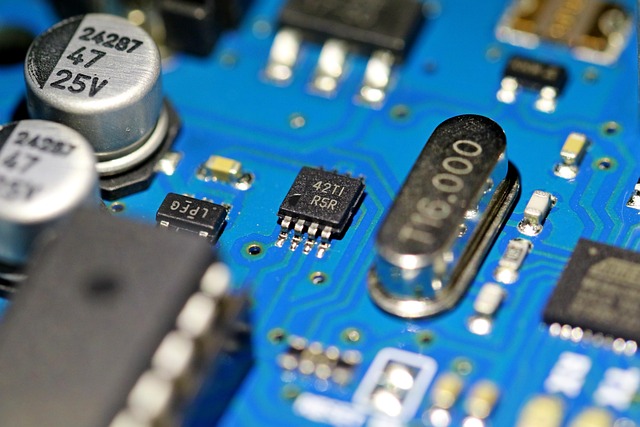
Understanding the Lifecycle of Modern Electronics
Electronic devices are complex systems where mechanical wear is seldom the main reason for failure. In most cases, obsolescence stems from software incompatibility or minor hardware faults like degraded capacitors or connectors. Many smartphones, laptops, and industrial controllers still have functioning processors or displays long after official support ends. Extending their lifecycle conserves resources such as rare earth metals and reduces the carbon footprint associated with manufacturing new units. According to data from the International Energy Agency (IEA), extending device use by even one year can reduce lifecycle emissions by up to 20%.
The Role of Component Replacement in Device Longevity
Component replacement is at the heart of sustainable electronics maintenance. Replacing a faulty capacitor or integrated circuit can restore full functionality without replacing the entire device. Access to quality parts determines whether repair remains cost-effective or not. Skilled technicians rely on precision tools and verified components to maintain original performance standards. In industrial applications, adherence to IEC quality benchmarks ensures that repaired devices meet safety and reliability requirements comparable to new ones.
The Strategic Value of an Electronic Parts Store Near Me
The presence of a local electronic parts outlet can make or break the efficiency of repair operations. Beyond convenience, it directly supports innovation ecosystems by shortening lead times and improving quality control.
Accessibility and Supply Chain Efficiency
When technicians search for an electronic parts store near me, they are seeking immediacy—access to resistors, transistors, connectors, or microcontrollers without waiting days for shipping. Local availability reduces downtime for both repairs and prototyping work. Regional suppliers can adjust inventory based on local demand patterns; for instance, areas with active robotics communities may stock more sensors and microcontrollers than consumer audio chips. This responsiveness builds resilience against global supply chain disruptions.
Quality Assurance and Professional Standards
Trustworthy electronic parts stores differentiate themselves through sourcing integrity. Established outlets procure directly from verified distributors or manufacturers who comply with ISO 9001 standards for quality management systems. They implement counterfeit prevention measures such as traceable barcodes and tamper-proof packaging—critical in aerospace or medical electronics where component failure is unacceptable. Many stores also test parts using professional-grade equipment before sale, ensuring conformity with IEEE reliability standards.
How Electronic Parts Stores Enable Sustainable Technology Practices
Sustainability in electronics depends on keeping materials in circulation rather than discarding them prematurely. Local parts stores act as enablers of this principle by supporting reuse at multiple levels.
Reducing Electronic Waste Through Component Reuse
Every salvaged resistor or display module prevents functional material from entering waste streams. Proper disassembly techniques allow recovery of valuable metals such as copper, silver, and gold from obsolete boards—a process recommended under ISO 14001 environmental management guidelines. By facilitating reuse rather than disposal, these stores contribute directly to circular economy objectives where waste becomes input for new production cycles.
Supporting Repair Culture and Technical Innovation
Repair culture thrives when access to components is easy and affordable. Local stores create hubs where engineers exchange knowledge about troubleshooting methods or prototype designs. Educational institutions benefit too: students can experiment with real circuits instead of relying solely on simulations. When combined with maker spaces or community labs, these outlets nurture creativity that often leads to startup innovations in IoT devices or renewable energy monitoring systems.
Evaluating the Economic Impact of Local Electronic Parts Stores
Beyond sustainability benefits, local electronic parts outlets generate measurable economic value through cost savings, job creation, and skill development.
Cost Dynamics in Repair vs Replacement Decisions
Repairing at component level typically costs far less than purchasing new equipment. For example, replacing a $2 capacitor may revive a $300 amplifier or power supply unit. Businesses offering extended product life gain competitive advantage by reducing warranty costs while appealing to eco-conscious customers. Consumers also perceive greater value when repair options exist nearby—they see sustainability not as sacrifice but as smart economics.
Contribution to Local Industry and Skilled Labor Development
Independent electronics stores sustain regional technical ecosystems by supporting small repair shops, freelance engineers, and vocational schools. Collaboration between these entities fosters practical training opportunities aligned with current industry needs such as PCB rework or surface-mount soldering techniques compliant with IPC standards. Over time, this strengthens local innovation capacity while creating pathways into advanced manufacturing sectors.
The Future Outlook for Electronic Parts Outlets in a Circular Economy Framework
As technology evolves toward smarter systems and interconnected supply chains, electronic parts outlets must adapt their operations accordingly.
Integration with Emerging Technologies and Smart Systems
Digital inventory platforms now allow real-time tracking of stock levels across multiple branches, minimizing overproduction of rarely used components. AI-driven diagnostics integrated into repair tools can identify faulty elements faster than manual inspection methods used a decade ago. IoT-enabled logistics networks provide traceability data showing each component’s origin and lifecycle usage—a feature increasingly required under EU sustainability reporting frameworks.
Policy, Regulation, and Industry Collaboration Opportunities
Government incentives encouraging reuse initiatives within electronics manufacturing could expand the role of local outlets further. Partnerships between OEMs and independent part suppliers help close material loops efficiently by channeling surplus inventory back into secondary markets instead of scrap yards. Standardized labeling systems proposed by IEC committees would enhance component traceability globally—making it easier for technicians anywhere to verify authenticity before installation.
FAQ
Q1: Why are electronic parts stores essential for sustainable technology?
A: They extend product lifespans by providing components needed for repair instead of replacement, reducing waste generation significantly.
Q2: How do local electronic parts stores maintain quality assurance?
A: They source only from verified distributors following ISO standards and use testing equipment that meets IEEE reliability criteria before selling any part.
Q3: What economic benefits come from having an electronic parts store near me?
A: It lowers repair costs for consumers, supports local jobs in technical trades, and helps businesses maintain competitiveness through efficient servicing.
Q4: How do these stores contribute to education?
A: Schools use them as hands-on learning resources where students practice circuit design, fault diagnosis, and assembly skills relevant to modern engineering fields.
Q5: What future trends will shape electronic part distribution?
A: Integration with digital platforms using AI diagnostics and IoT tracking will improve transparency while aligning operations with circular economy objectives across industries.