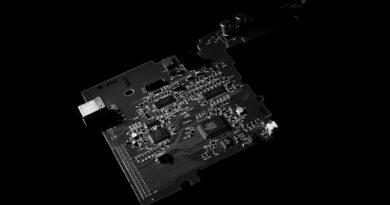
Mastering Electronics Manufacturing: The Role of UMEC’s RigidFlex PCB
In the rapidly evolving electronics manufacturing industry, innovations are the lifeblood that keep companies afloat and ahead of the competition. One technological advancement that has significantly impacted this field is the development of Rigid-Flex PCBs. Among the leaders in this arena is UMEC, a company renowned for its expertise in producing high-quality Rigid-Flex PCBs. These innovative PCBs have transformed the way electronic devices are designed, assembled, and functioned, offering a myriad of benefits that address some of the industry’s most pressing challenges.
Rigid-Flex PCBs are a hybrid of two types of printed circuit boards: rigid and flexible. The rigid sections provide structural stability, while the flexible portions allow for dynamic flexing during use. This combination makes them ideal for a variety of applications, especially those where space is at a premium or where the device is subject to mechanical stress. The versatility of Rigid-Flex PCBs allows for more complex and compact designs, which are essential in the miniaturization trend within the electronics industry.
One of the most significant advantages of UMEC’s Rigid-Flex PCBs is their ability to reduce the overall size and weight of electronic devices. This is particularly important in industries such as aerospace, automotive, and consumer electronics, where every gram and millimeter count. By integrating multiple PCBs into a single Rigid-Flex design, manufacturers can eliminate the need for bulky connectors and cables, resulting in a more streamlined product. This not only saves space but also enhances the reliability of the device by reducing the number of potential failure points.
The manufacturing process of Rigid-Flex PCBs is more complex than traditional PCBs, but UMEC has mastered the art and science of producing these intricate components. Their expertise ensures that each PCB meets the highest standards of quality and performance. By using advanced materials and cutting-edge fabrication techniques, UMEC can create PCBs that withstand harsh environments and demanding applications. This resilience is crucial in industries where reliability and durability are non-negotiable, such as in military and medical devices.
Moreover, Rigid-Flex PCBs from UMEC offer exceptional electrical performance. The seamless integration of rigid and flexible layers allows for shorter signal paths, which results in reduced signal loss and electromagnetic interference. This is a critical benefit in high-frequency applications, such as RF and microwave circuits, where maintaining signal integrity is paramount. The ability to design PCBs with precise impedance control and minimal signal distortion is a game-changer for manufacturers seeking to push the boundaries of electronic performance.
Another noteworthy benefit of UMEC’s Rigid-Flex PCBs is their contribution to cost savings in the manufacturing process. While the initial design and setup costs may be higher than traditional PCBs, the long-term savings are substantial. The reduction in connectors and cables not only decreases material costs but also simplifies assembly processes, leading to reduced labor and time. Additionally, the improved reliability and reduced failure rates translate to lower maintenance and warranty costs, making them an economically sound choice for manufacturers.
The versatility of Rigid-Flex PCBs also extends to their application in wearable technology, a sector experiencing exponential growth. The demand for lightweight, flexible, and durable components makes Rigid-Flex PCBs the ideal solution for wearable devices that require seamless integration into fabrics or compact spaces. UMEC’s expertise in this niche ensures that their PCBs meet the specific needs of wearable technology, providing the flexibility and durability required for these innovative products.
As the electronics manufacturing industry continues to evolve, the need for innovative solutions like UMEC’s Rigid-Flex PCBs becomes increasingly apparent. These PCBs not only address current industry challenges but also pave the way for future advancements. The ability to create more compact, reliable, and high-performing devices is a significant step forward, enabling manufacturers to meet the growing demands of modern consumers and industries.
In conclusion, UMEC’s Rigid-Flex PCBs represent a significant advancement in the electronics manufacturing industry. Their unique combination of flexibility and rigidity offers unparalleled benefits, including size and weight reduction, enhanced reliability, superior electrical performance, and cost savings. As industries continue to push the boundaries of what is possible, the role of innovative technologies like Rigid-Flex PCBs will be crucial in shaping the future of electronics manufacturing. Whether it’s in consumer electronics, aerospace, automotive, or wearable technology, the impact of UMEC’s Rigid-Flex PCBs is undeniable, cementing their place as a cornerstone of modern electronic design and manufacturing.