Consumer electronic appliances and the shift to smarter, lower-energy homes
What consumer electronic appliances mean today
Consumer electronic appliances are household or personal-use devices that combine practical appliance functions with electronic controls, sensors, displays, software or network connectivity. The category is wider than the smart-home label suggests. It can include refrigerators, laundry machines, air purifiers, robot vacuums, microwaves, electric cooking devices, HVAC controls, entertainment equipment and many compact gadgets used around the home.
The important shift is that these products now sit inside a broader home technology system rather than operating only as standalone machines. Buyers need to look beyond screen size, app features or an introductory price. Energy consumption, real usefulness, platform compatibility, repair options and data practices all affect the long-term value of the product.
For readers following new device categories and practical buying guides, the Gadgets section offers related coverage across home and personal electronics.
Why the category is changing
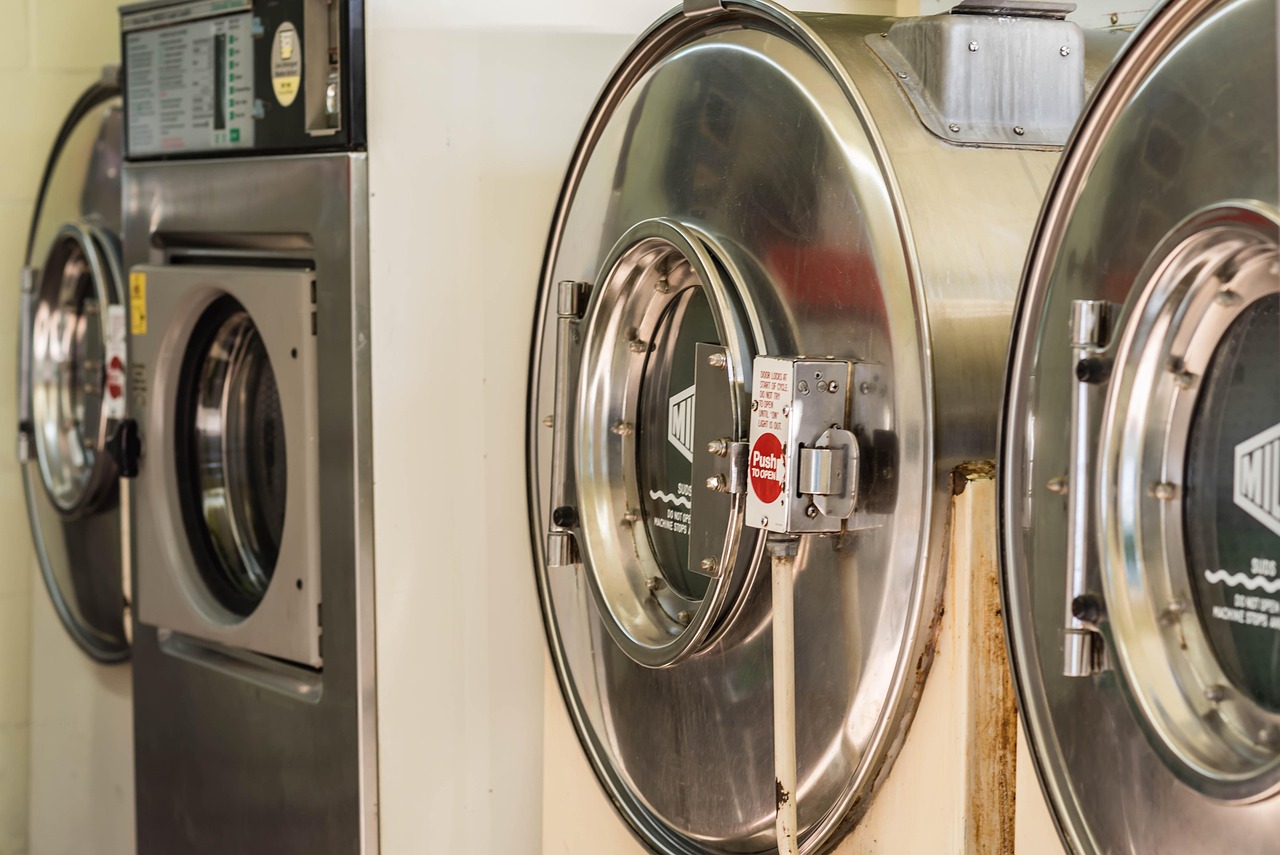
The biggest change is that ordinary appliances have become digital endpoints. A washer may include load sensors and connected cycle alerts. A refrigerator may manage temperature zones, diagnostics and a touchscreen. A thermostat may coordinate with a heat pump, solar system or utility demand-response program. Even smaller products, such as air fryers, chargers and speakers, increasingly rely on firmware and companion apps.
That creates a different buying problem. In the past, consumers could compare capacity, power rating, dimensions and brand reputation and make a reasonably informed choice. Those factors still matter, but they no longer describe the full ownership experience. A connected appliance also depends on software updates, cloud service stability, account security, wireless reliability and whether it works with the rest of the household’s devices.
Public energy data explains why the category is getting more attention from regulators and manufacturers. The International Energy Agency’s 2026 Energy Efficiency Policy Toolkit states that appliances represent about 45% of electricity demand in buildings and are responsible for almost 3 gigatons of carbon dioxide emissions. That does not mean every household device is a major energy drain, but it does show why efficiency standards, labels and smarter controls are becoming central to product design.
The main types of consumer electronic appliances
The term is broad, so it is more useful to separate the category by use case than by marketing label.
| Category | Typical examples | What to check before buying |
|---|---|---|
| Major home appliances | Refrigerators, washers, dryers, dishwashers, ovens | Energy label, capacity, water use, repair access, expected service life |
| Climate and air devices | Thermostats, room air conditioners, heat pump controls, air purifiers, dehumidifiers | Room size, filter cost, noise level, energy mode, sensor accuracy |
| Cleaning appliances | Robot vacuums, cordless vacuums, wet-dry cleaners | Battery replacement, mapping privacy, spare parts, obstacle handling |
| Kitchen electronics | Microwaves, air fryers, coffee machines, induction cookers, smart scales | Safety certifications, cleaning design, control simplicity, app dependence |
| Entertainment and small electronics | TVs, speakers, streaming devices, chargers, hubs | Power use, ports, update policy, interoperability, standby consumption |
This breakdown matters because the same buying rule does not fit every product. A smart refrigerator should be judged heavily on cooling performance, repairability and energy use. A voice-controlled speaker depends more on privacy controls, ecosystem support and audio quality. The word smart should point to a useful function, not merely the presence of Wi-Fi.
Energy efficiency is becoming a front-line feature
Energy efficiency is no longer a niche concern for environmentally focused buyers. It affects ownership cost, grid demand and whether a product remains compliant with evolving rules. In the United States, the Department of Energy maintains efficiency standards and test procedures for more than 70 categories of appliances and equipment. The Federal Trade Commission’s EnergyGuide labeling rules require certain products to show energy cost or efficiency information based on DOE test procedures, including on many online listings and catalogs.
For consumers, labels are useful but not complete. A large refrigerator with an efficient compressor may still use more total electricity than a smaller model that fits the household’s actual needs. A dryer with sensor drying may reduce wasteful run time, but only if the sensor performs well and the user chooses the right cycle. A room air conditioner can carry an efficient rating yet perform poorly if it is the wrong size for the room.
The practical approach is to treat efficiency as part of total cost of ownership. Compare the purchase price with estimated annual energy use, water use where relevant, filter or bag costs, battery replacement and likely repair expenses. For always-on products such as routers, displays, hubs, refrigerators and air purifiers, small differences in standby or continuous power draw can add up over several years.
Interoperability is improving, but buyers should stay cautious
Smart-home compatibility has improved, but it is still not automatic. The Connectivity Standards Alliance developed Matter to reduce fragmentation across smart-home ecosystems. Matter 1.3, announced in May 2024, expanded support for energy reporting, water management, electric vehicle charging and several major appliance categories. Matter 1.4, released in November 2024, added more energy-management capabilities and improvements for home networking. Matter 1.5, announced in November 2025, expanded the standard to cameras, closures, soil sensors and further energy-management functions, followed by a 1.5.1 maintenance release in March 2026 focused partly on camera performance.
Those dates show progress, but a standard release is not the same as universal product support. A product may advertise Matter, while the exact feature set still depends on its certified version, firmware, hub, phone platform and manufacturer implementation. A connected oven, robot vacuum or energy device may support basic control, while advanced functions remain inside the manufacturer’s own app.
Before paying extra for connectivity, buyers should confirm four points: whether the model is certified for the needed standard, whether the household’s preferred platform supports that device type, whether core functions still work without the cloud, and how long the maker commits to security updates. If those answers are vague, the smart feature may be less valuable than the marketing suggests.
Rules and standards are shaping product design
Regulation is one reason consumer electronic appliances increasingly look more standardized. In the European Union, common charger rules began applying to many portable electronic devices on December 28, 2024, covering products such as mobile phones, tablets, digital cameras, headphones, portable speakers, e-readers, keyboards, mice and earbuds that use wired charging. Laptops fall under the rules later, with the European Commission identifying April 28, 2026 as the relevant date. The main purpose is to reduce charger fragmentation, improve consumer convenience and cut avoidable waste. See also: Components.
In the U.S. appliance market, efficiency standards and EnergyGuide disclosures influence how brands design and present products. DOE finalized updated efficiency standards for residential clothes washers and dryers in 2024, while other product categories continue to receive revised test procedures and standards over time. The details vary by appliance type, so consumers should avoid relying on old assumptions about what is efficient. A model that looked competitive several years ago may no longer compare well against newer designs.
Standards also affect safety and usability. Certification marks, labeling rules and test procedures are not decorative. They help buyers compare products that may otherwise use different marketing terms for similar functions. When a product lacks clear specifications for power, capacity, water use, filter life or compatibility, that uncertainty should count against it.
Repairability, e-waste and software life now matter
A connected appliance can fail in more ways than a mechanical one. Hardware can wear out, batteries can lose capacity, sensors can drift, cloud services can change and apps can become unsupported. That makes repairability and software life part of the real product specification.
The Global E-waste Monitor 2024, published by ITU and UNITAR with partners, estimated that the world generated a record 62 billion kilograms of e-waste in 2022, while only 22.3% was documented as formally collected and recycled in an environmentally sound way. This global figure includes many types of electrical and electronic equipment, not only household gadgets, but it highlights the cost of short product lifecycles.
Consumers can reduce risk by checking whether common parts are replaceable. For a robot vacuum, that means brushes, filters, wheels and batteries. For an air purifier, it means filter availability and clear replacement intervals. For a refrigerator or washer, it means access to service manuals, parts and qualified technicians. For any connected device, it also means a visible update policy and an account deletion process.
Durability should be valued even when a product is not the newest design. A simpler appliance with reliable parts, clear controls and low energy use may be a better purchase than a feature-heavy device that depends on an uncertain app or hard-to-find consumables.
A practical buying checklist
When comparing consumer electronic appliances, use a structured checklist instead of relying on star ratings alone.
- Define the job first. Decide the function the product must perform before comparing smart features.
- Check size and fit. Capacity, installation space, ventilation clearance and room size affect performance.
- Compare energy and water use. Use official labels where available, but interpret them according to your household’s usage.
- Evaluate connectivity honestly. Ask whether the app or smart-home integration saves time, energy or effort.
- Review update and privacy practices. Prefer products with security updates, clear data controls and usable offline functions.
- Look for repair paths. Confirm availability of filters, batteries, accessories and service support.
- Estimate total ownership cost. Include energy, consumables, subscriptions, replacement parts and likely lifespan.
The best purchase is not always the most connected product. It is the appliance that performs its core task reliably, fits the home, consumes a reasonable amount of energy and does not create unnecessary dependence on closed software.
Frequently asked questions
Are consumer electronic appliances the same as smart appliances?
No. Smart appliances are a subset of consumer electronic appliances. A device can use electronic controls, sensors or digital displays without being internet-connected. Smart appliances add connectivity, app control, automation or integration with home platforms.
Should I always choose an appliance with Wi-Fi?
Not always. Wi-Fi is useful when it supports meaningful alerts, energy management, diagnostics or remote control. It is less valuable if basic functions require an account, if the app is poorly supported, or if the appliance works just as well with simple local controls.
What matters more, the energy label or the smart features?
For major appliances and always-on devices, energy performance should usually come first. Smart features can improve efficiency when they automate scheduling or reduce wasted operation, but they cannot fully compensate for poor basic design or the wrong product size.
How can I avoid buying a device that becomes unsupported?
Check the manufacturer’s update policy, warranty terms, parts availability and whether core functions work without cloud service. For smart-home products, confirm the exact compatibility you need rather than relying only on broad claims such as works with major platforms.