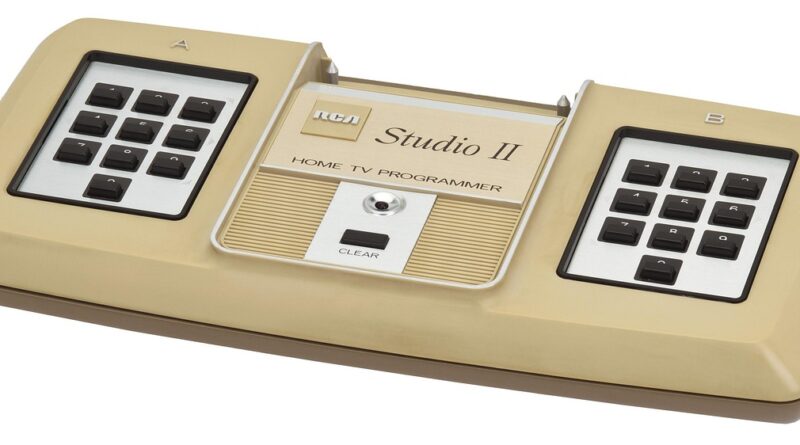
RCA Thomson consumer electronics explained from TV maker to licensed brand
In industry shorthand, rca thomson consumer electronics usually refers to the period after General Electric moved RCA’s consumer electronics business to the French Thomson group in the late 1980s. For a time, Thomson Consumer Electronics was the business behind many RCA-branded televisions, video products, accessories and related devices. That does not mean every RCA product sold today is made by Thomson. As of September 2026, RCA is best understood as a licensed consumer electronics brand, with licensees responsible for specific product categories and markets. For more electronics context, visit our Gadgets section.
What RCA Thomson consumer electronics actually means
The phrase RCA Thomson consumer electronics is not a single current product line. It is a historical shorthand for the period when Thomson controlled, manufactured, marketed or licensed consumer electronics under the RCA name after GE exited much of the category.

RCA began as the Radio Corporation of America in 1919 and became one of the best-known names in radio, television, broadcasting, recorded music and home electronics. Thomson, by contrast, was a French electronics group that expanded aggressively into global consumer electronics. When GE acquired RCA and later sold the consumer electronics operation to Thomson, the RCA brand moved into a broader international portfolio rather than remaining the identity of one vertically integrated American electronics company.
That distinction matters because brand names often outlive the companies that built them. A vintage RCA television, a Thomson-era RCA VCR and a current RCA smart TV may carry the same logo, but they may sit behind different ownership structures, factories, supply chains and support organizations.
How RCA moved from an integrated electronics company to a Thomson-era brand
RCA’s consumer electronics story changed sharply in the 1980s. General Electric completed its acquisition of RCA in 1986. Contemporary newspaper reports from July 1987 show GE announcing plans to leave much of the consumer electronics business by selling the GE and RCA consumer electronics operation to Thomson. Vantiva’s corporate history, which traces the Thomson and Technicolor lineage, places the formation of Thomson Consumer Electronics around this late-1980s transition.
For shoppers, the change was not always obvious at the store shelf. RCA televisions and home video products continued to use a familiar American brand. Behind the scenes, however, the business model had changed. Thomson gained access to the RCA name and the U.S. market presence attached to it, while GE moved away from a category facing intense global competition and weakening manufacturing advantages.
Thomson’s use of RCA was practical. RCA had strong recognition in North America, while Thomson had its own identity in Europe and other markets. Using different brands by region allowed Thomson to preserve local brand trust while managing a wider technology and manufacturing platform.
Key timeline of RCA, GE, Thomson and licensing
| Period | What happened | Why it matters |
|---|---|---|
| 1919 | RCA was founded as the Radio Corporation of America. | The brand became associated with radio, television and home entertainment in the United States. |
| 1950s | RCA became closely tied to the U.S. color television era, including milestones connected with NTSC color TV standardization. | This built the engineering reputation that later made the RCA name valuable even after corporate ownership changed. |
| 1986 | GE acquired RCA. | RCA became part of a much larger conglomerate, setting up later divestitures. |
| 1987 to 1988 | GE agreed to transfer its consumer electronics business, including RCA and GE-branded products, to Thomson. | This created the Thomson Consumer Electronics period most people mean when they connect RCA with Thomson. |
| 1990s to early 2000s | Thomson managed RCA alongside brands such as Thomson, GE in certain categories and ProScan. | RCA became one part of a multi-brand global electronics strategy. |
| 2000s | Thomson reduced exposure to finished consumer electronics and moved toward services, technology, licensing and partnerships. | The RCA name increasingly operated through licensing, partnerships and category-specific companies. |
| 2010 | Thomson adopted the Technicolor name at group level. | The corporate identity behind RCA-linked brand assets changed again. |
| 2022 onward | Technicolor became Vantiva, while RCA licensing notices identify Talisman Brands, doing business as Established, as the RCA trademark owner. | Modern RCA products should be evaluated through the current licensee and product category, not through the old RCA Corporation or Thomson factory model. |
Why Thomson changed the RCA consumer electronics model
Thomson’s strategy reflected a wider shift in the electronics industry. By the late 1980s and 1990s, television and video hardware had become more globally competitive. Scale, component sourcing, regional manufacturing and retail distribution mattered as much as a legacy engineering reputation.
RCA gave Thomson a strong U.S. consumer-facing name. Thomson gave RCA a new corporate home, international manufacturing relationships and a portfolio approach. In practice, the same parent group could position RCA for North America, Thomson for Europe and other brands for different regions or segments.
This also explains why older devices may carry labels such as Thomson Consumer Electronics, RCA, ProScan or GE depending on the period and category. The name on the front of a television did not always reveal the full corporate structure behind the product. For collectors and repairers, rear labels, model numbers, chassis codes and manufacturing plates can be more useful than the retail brand alone.
By the mid-2000s, Thomson had already begun to pull back from much of its direct audio-video consumer electronics business. Thomson annual reports and SEC filings from that period describe disposals of consumer audio-video operations and accessory businesses, including transactions connected with Audiovox. That shift matters because it marks the move from RCA as a manufacturer-managed mass electronics label toward RCA as a licensed brand used by different companies in different categories.
What the RCA name means on products now
Today, the RCA name should be read as a brand license, not as proof that a product came from the original RCA Corporation or from a Thomson-operated factory. RCA’s current licensing notices state that RCA, the RCA logo and related marks are trademarks of Talisman Brands, Inc. and are used under license. The same notices also state that licensees are responsible for RCA-branded products made, distributed and sold under license.
That structure is common in modern consumer electronics. A well-known historical name may be licensed to specialist companies that handle a particular category, such as televisions, tablets, antennas, remotes, audio accessories, appliances or connected home devices. The brand owner manages trademark rights and licensing relationships, while the licensee manages product execution, compliance, distribution and customer support.
RCA’s own public terms describe the brand as present across a wide range of products in more than thirty countries, including television, audio-video equipment, digital reception, accessories, telephony, computer products, connected products, lighting, home automation, security, air treatment, appliances and health-related products. That breadth helps brand visibility, but it also means quality, warranty terms and technical features can vary significantly by product type and licensee. See also: Components.
For buyers, the practical lesson is straightforward. Do not judge a current RCA product only by the nostalgia attached to the name. At the same time, do not dismiss it only because RCA is no longer the old vertically integrated corporation. Treat the logo as the start of the research, not the conclusion.
How to evaluate a modern RCA-branded device
Because RCA is now used through licensing arrangements, a model-by-model check is more useful than a broad claim that RCA is good or bad. The following checklist is a practical way to evaluate a television, tablet, antenna, remote, appliance or accessory carrying the RCA name.
- Identify the licensee or distributor. Check the product page, packaging, manual and warranty card to see which company is responsible for the item in your country.
- Check the exact model number. RCA-branded products can differ widely across years, regions and retailers, so broad reviews of the brand may not apply to a specific device.
- Read the warranty terms. Support length, return process, parts availability and service channels are more important than brand history.
- Compare technical specifications. For TVs, check panel type, resolution, HDR support, smart TV platform, inputs and refresh-rate claims. For accessories, check standards compatibility and safety certifications.
- Look for retailer support. A strong return policy can reduce risk, especially for lower-cost electronics where repair may not be economical.
- Separate vintage interest from current performance. A Thomson-era RCA CRT or VCR is a different buying decision from a new RCA smart TV or tablet.
This approach is especially important for online purchases. Product listings may highlight the RCA legacy, but the support experience will usually come from the current licensee, distributor or retailer rather than from the historic RCA or Thomson organizations.
Why the RCA and Thomson link still matters
The RCA Thomson relationship is still useful because it shows how consumer electronics brands evolve after mergers, divestitures and licensing deals. RCA was once a major technology company. Under Thomson, it became part of an international electronics portfolio. Later, as Thomson became Technicolor and then Vantiva, the RCA name continued through licensing rather than through a single manufacturing organization.
For the electronics industry, this path is not unusual. Many familiar names in TVs, audio, cameras and appliances have moved through similar structures. A brand can retain consumer awareness long after factories close, corporate owners change or product categories are handed to licensees. The name carries recognition; the product’s value depends on execution.
For readers comparing gadgets, the key takeaway is balanced. RCA’s historical importance is real, and Thomson played a major role in keeping RCA-branded consumer electronics in the market after GE left the category. Modern RCA products, however, should be judged through current facts: who licensed the category, who built or distributed the product, what specifications it offers and what warranty support is available.
Frequently asked questions
Did Thomson own RCA consumer electronics?
Thomson became the company behind RCA-branded consumer electronics after GE’s late-1980s sale of the consumer electronics business. Later filings and corporate histories show Thomson using and managing RCA as part of its consumer electronics and brand portfolio. Today, however, RCA trademark licensing is associated with Talisman Brands, doing business as Established, rather than the old Thomson Consumer Electronics structure.
Are RCA and Thomson the same company today?
No. RCA and Thomson are historically connected through ownership and licensing, but they are not the same operating company today. Thomson later became associated with Technicolor and Vantiva corporate history, while current RCA-branded products are generally handled through licensing arrangements.
Why do some older RCA products mention Thomson Consumer Electronics?
Those labels usually come from the period after GE transferred RCA consumer electronics operations to Thomson. A television, VCR, camcorder or accessory from that era may carry an RCA retail brand while identifying Thomson Consumer Electronics on a label, manual or service document.
Does the RCA logo mean a product is made by the original RCA Corporation?
No. The original RCA Corporation no longer operates as the single manufacturer behind all RCA-branded consumer products. A modern RCA logo usually means the product is sold under a trademark license. The responsible licensee or distributor should be checked for the exact model.
Is a modern RCA TV or gadget worth buying?
It depends on the exact model, price, warranty, retailer policy and technical requirements. The RCA name has historical value, but current purchase decisions should be based on specifications, support and independent product-level information rather than brand nostalgia alone.