How Is Semiconductor News 2023 Shaping India’s First Assembly Facility
India Opens First Semiconductor Assembly Facility
India’s first semiconductor assembly facility marks a decisive step in its ambition to become a global electronics manufacturing hub. The launch reflects years of policy groundwork, infrastructure planning, and industry collaboration. It also signals India’s intent to reduce import dependency and participate meaningfully in global chip supply chains. This milestone, coming amid the shifts seen in semiconductor news 2023, positions India as both a beneficiary and contributor to the changing semiconductor landscape.
Global Semiconductor Landscape in 2023
The semiconductor industry in 2023 was defined by realignment and reinvention. Global chipmakers responded to geopolitical frictions, supply chain disruptions, and new technological demands with fresh strategies that reshaped production geography and investment flows.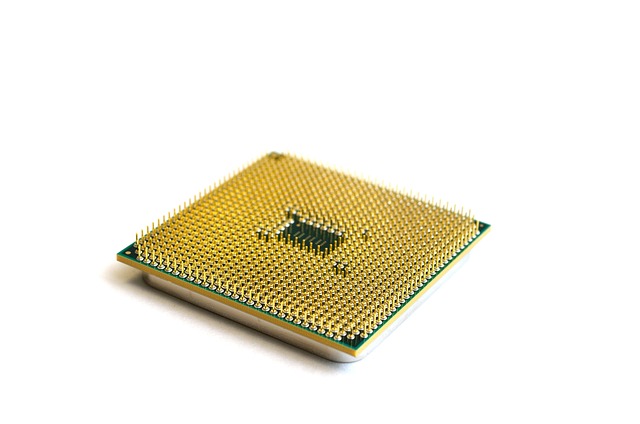
Key Trends Defining the Semiconductor Industry
Supply chain restructuring dominated headlines as countries sought to secure critical technologies. Trade restrictions between major economies led companies to diversify manufacturing bases. Localized production gained traction, with new fabs announced across North America, Europe, and Asia. Investment surged into advanced packaging technologies that allow smaller nodes and higher performance per watt—vital for AI and edge computing applications.
The demand side also evolved rapidly. Artificial intelligence workloads, electric vehicles, and IoT devices required specialized chips with high reliability and energy efficiency. These sectors collectively drove double-digit growth in wafer starts across foundries worldwide, according to data from Bloomberg Intelligence.
How 2023 Semiconductor Developments Influence Emerging Markets
Emerging markets benefited from this decentralization trend. As established players like Taiwan and South Korea reached capacity limits, new regions attracted fabrication and assembly investments. Governments offered tax incentives, land grants, and skill development programs to lure multinational firms.
For India, these developments provided both opportunity and urgency. Observing how nations like Vietnam or Malaysia expanded their backend assembly capabilities encouraged Indian policymakers to accelerate domestic initiatives. Strategic collaborations between global chipmakers and local governments became essential for building resilient supply ecosystems less exposed to single-region risks.
India’s Strategic Move Toward Semiconductor Self-Reliance
India’s semiconductor strategy matured significantly by 2023. The government recognized that self-reliance in chip production was not just an industrial goal but a national security imperative.
Before diving into the technical aspects of the new facility, it is important to understand how policy frameworks laid its foundation.
Policy Framework Supporting Semiconductor Manufacturing
India’s semiconductor mission introduced generous incentive schemes covering up to half of project costs for approved applicants. These policies aimed to attract both greenfield investors and technology partners with proven track records in chip design or packaging.
Public-private partnerships emerged as catalysts for infrastructure readiness. They pooled government funding with corporate expertise in cleanroom design, process automation, and environmental control systems—areas where India previously lacked experience.
Global technology leaders were invited through diplomatic channels to participate not only as investors but as training partners. This approach mirrored successful models used by East Asian economies during their early semiconductor expansions.
Infrastructure and Resource Readiness for Assembly Operations
Setting up an assembly facility requires more than capital; it demands reliable logistics networks, stable power grids, water availability, and skilled technicians. India made progress on each front through designated electronics manufacturing clusters located near ports or airports for efficient component flow.
Power reliability improved through dedicated substation projects within these clusters. In parallel, universities launched microelectronics programs designed around practical training modules rather than purely theoretical coursework.
Integration with existing electronics ecosystems—especially mobile device manufacturing—helped shorten supply loops between PCB assembly units and chip packaging lines. This synergy reduced turnaround times for domestic OEMs seeking localized sourcing options.
The Role of Semiconductor News 2023 in Influencing India’s Facility Launch
The timing of India’s facility launch was no coincidence; it followed a year filled with major global announcements that redefined competitive benchmarks across the semiconductor value chain.
Global Announcements Driving Policy Acceleration in India
Throughout 2023, leading chipmakers revealed multi-billion-dollar expansion plans across the United States, Taiwan, Japan, and South Korea. Each announcement reinforced how government-backed incentives could unlock rapid industrial scaling.
Indian policymakers studied these examples closely while drafting final guidelines for their own subsidy programs. Benchmarking against facilities such as those established under the U.S. CHIPS Act helped refine India’s cost-sharing structures and environmental compliance norms.
Global assembly trends—especially the shift toward advanced packaging rather than pure wafer fabrication—also influenced local execution models. By focusing first on backend operations like testing and packaging, India could enter the value chain faster while preparing groundwork for future fabs.
Media Narratives and Investor Sentiment Around India’s Semiconductor Push
International media coverage throughout 2023 played a notable role in shaping investor sentiment toward emerging markets’ semiconductor ambitions. Reports highlighting shortages during pandemic-era disruptions underscored the need for diversification beyond East Asia.
As stories about “semiconductor news 2023” circulated globally, investors began viewing India not merely as a low-cost labor destination but as a credible technology partner capable of handling precision manufacturing tasks. This perception shift encouraged foreign direct investment commitments from both private equity funds and strategic industrial players seeking long-term presence within South Asia’s growing market base.
Technological Focus Areas for India’s First Assembly Facility
India’s first assembly plant represents more than symbolic achievement—it embodies a technological leap toward sophisticated manufacturing standards aligned with international practices.
Advanced Packaging and Testing Capabilities Planned for Deployment
The facility will deploy flip-chip bonding techniques enabling higher interconnect density suitable for AI accelerators and automotive-grade processors. Wafer-level packaging lines will support miniaturized designs demanded by wearables and IoT modules.
Testing capabilities are being integrated from day one rather than added later—a crucial decision since high-performance computing chips require rigorous validation cycles before shipment. Collaboration opportunities are emerging with EDA tool providers who can synchronize digital design verification with physical test parameters at scale.
Equipment manufacturers specializing in lithography alignment systems have expressed interest in supplying modular units tailored for mid-volume production runs typical of early-stage Indian facilities.
Workforce Development and Knowledge Transfer Mechanisms
A skilled workforce remains central to sustaining operations beyond initial setup phases. Training programs co-developed by international partners focus on process control metrics such as defect density reduction or yield optimization using real-time analytics dashboards.
Partnerships with technical universities are expanding research into materials science applications relevant to packaging adhesives or thermal interface compounds used during die attachment stages.
Retention strategies include structured career pathways within domestic firms so that engineers trained abroad return home without losing professional momentum—a challenge faced historically by many developing economies entering high-tech sectors.
Economic and Strategic Implications for India’s Semiconductor Ecosystem
The operationalization of this facility marks an inflection point not only economically but strategically within India’s broader industrial agenda.
Strengthening the Electronics Value Chain Through Local Assembly
Local assembly directly reduces dependence on imported components that currently account for over two-thirds of total electronics input costs in several product categories. As domestic packaging volumes rise, upstream demand naturally develops for wafer fabrication plants capable of supplying unprocessed dies locally.
This cascading effect stimulates ancillary industries including specialty chemicals used in photoresists, precision tooling vendors supplying bonding equipment parts, logistics operators managing controlled-temperature shipments, and automation software providers customizing MES platforms for cleanroom environments.
Long-Term Geopolitical Advantages from Domestic Semiconductor Capability
Beyond economics lies strategic calculus: participation in global semiconductor supply networks enhances diplomatic leverage during trade negotiations involving technology transfer or export controls. A robust domestic base positions India as an alternative site for secure chip production serving allies seeking diversified sourcing outside traditional East Asian corridors.
Technology sovereignty initiatives gain substance when backed by tangible facilities capable of producing mission-critical components domestically—supporting defense communications systems or space exploration hardware without external dependencies.
FAQ
Q1: Why is India focusing on semiconductor assembly before full-scale fabrication?
A: Assembly requires lower capital intensity yet builds foundational expertise essential before transitioning into wafer fabrication stages that demand ultra-clean environments and deep process integration know-how.
Q2: What role did global developments play in accelerating India’s project?
A: Major expansion announcements worldwide during 2023 highlighted both opportunity gaps and best practices that guided Indian policymakers toward faster policy execution aligned with international standards.
Q3: How will this facility impact employment?
A: It is expected to create thousands of direct technical roles plus indirect jobs across logistics support services, maintenance contractors, material suppliers, and academic training centers linked to ongoing workforce development programs.
Q4: Which technologies will be prioritized at the new site?
A: Advanced packaging methods such as flip-chip bonding along with integrated testing setups designed for AI processors form the core focus areas during initial operational phases.
Q5: Can this initiative make India self-sufficient in semiconductors soon?
A: Not immediately; however, it sets a critical precedent by establishing infrastructure readiness that shortens timelines toward eventual self-reliance once upstream fabrication capabilities mature domestically.