Can the Best Smart Thermostat Truly Cut Energy Costs Significantly
We Do the Math: How Much a Smart Thermostat Can Really Save You on Energy Bills
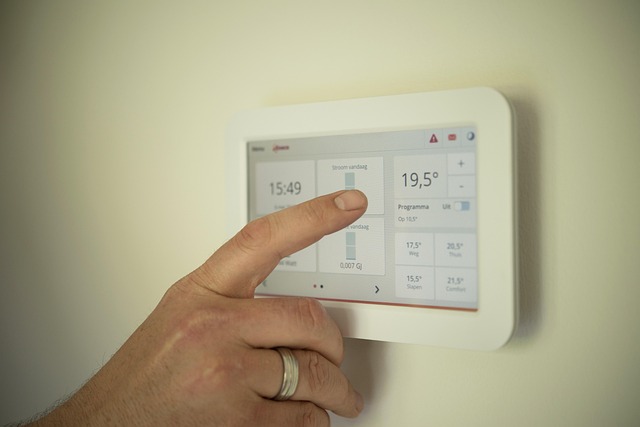
Smart thermostats have moved from novelty to necessity in energy-conscious homes. Their ability to learn patterns, predict needs, and interact with broader home systems makes them far more than programmable gadgets. For most households, real-world data show that a best smart thermostat can cut heating and cooling costs by roughly 10–20% annually. Over time, that translates into hundreds of dollars saved, often paying back the investment within just a few years.
The Role of Smart Thermostats in Energy Management
Smart thermostats sit at the intersection of data science and home comfort. They are not merely control panels but intelligent nodes that interpret environmental cues, user habits, and system performance to fine-tune energy use hour by hour.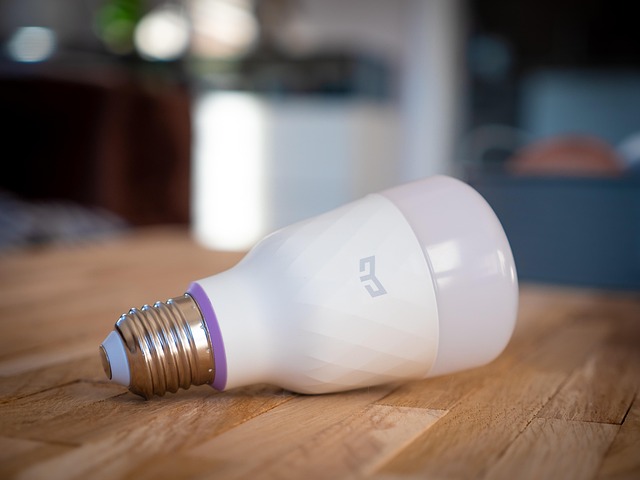
The Core Functionality of Smart Thermostats
A smart thermostat functions as the brain of a home’s climate system. It uses motion sensors to detect occupancy, temperature sensors to measure indoor conditions, and connectivity to pull in external information such as weather forecasts. Through algorithms that analyze historical data, it learns when occupants are typically home or away and automatically adjusts heating or cooling schedules without manual input. Integration with larger smart ecosystems—like lighting or security systems—further refines energy use by coordinating multiple devices for consistent efficiency.
Comparing Smart vs. Traditional Thermostats
Traditional thermostats depend on fixed schedules set manually by users. Once programmed, they follow those settings regardless of whether anyone is home or not. In contrast, smart thermostats continuously adapt. They adjust based on occupancy patterns detected through sensors or smartphones and respond dynamically to changing outdoor temperatures. This precision control helps avoid wasteful HVAC cycling that occurs with static schedules. The difference may seem subtle day-to-day but adds up significantly across seasons.
Quantifying Energy Savings: How Much Can a Smart Thermostat Save?
Energy savings from smart thermostats vary widely because no two homes operate under identical conditions. Climate zones, insulation quality, HVAC type, and even user behavior all influence performance outcomes.
Evaluating Real-World Data on Energy Reduction
Independent studies conducted by utilities and research groups have consistently shown average reductions between 10% and 20% on heating and cooling bills after installing a smart thermostat. Some households in temperate climates report lower percentages due to minimal HVAC use, while those in extreme climates often see greater gains. Additionally, during peak demand periods—like hot summer afternoons—smart thermostats can reduce load strain by pre-cooling homes when electricity rates are lower.
Factors Influencing Actual Savings Outcomes
Several variables determine how much money a homeowner ultimately saves. User engagement plays a large role; frequent manual overrides can undercut automated efficiency gains. The type of HVAC system also matters—a central air unit responds differently than a ductless heat pump or gas furnace. Lastly, local utility pricing structures influence total cost reduction; areas with time-of-use rates benefit most from adaptive scheduling.
Economic Analysis: Cost-Benefit Evaluation of Smart Thermostat Adoption
From an economic perspective, the conversation revolves around payback period versus convenience value. While upfront costs might appear steep compared with basic models, the long-term financial return is tangible.
Initial Investment vs. Long-Term Savings Potential
Most high-quality smart thermostats fall within the mid to upper three-figure range depending on brand and features like voice control or multi-zone compatibility. Based on average household usage patterns and regional energy prices, typical payback occurs within one to three years. Utility rebate programs further improve this equation; many offer $50–$150 credits for installing ENERGY STAR–certified models because they help reduce grid load during demand peaks.
Maintenance, Software Updates, and Lifespan Considerations
Unlike traditional mechanical units that rarely change once installed, modern smart thermostats evolve through software updates delivered via Wi-Fi. These updates refine learning algorithms and expand integration options with other connected devices. Hardware lifespan averages eight to ten years with minimal maintenance beyond occasional cleaning of sensor vents. However, reliance on cloud services introduces potential privacy trade-offs since performance data are stored remotely for analysis.
Technical Aspects That Drive Efficiency Gains
Behind every percentage point of energy savings lies a complex interplay of predictive modeling and sensor fusion technologies designed to anticipate comfort needs before users notice temperature shifts.
Adaptive Learning Algorithms and Predictive Control Models
Machine learning models inside these devices analyze past temperature adjustments alongside external factors such as weather trends or seasonal changes. Predictive control then modulates HVAC output proactively rather than reactively—reducing unnecessary cycling while maintaining steady comfort levels. Over months of operation, continuous feedback loops fine-tune these predictions for each unique household pattern.
Integration with Sensors, Weather Forecasting, and Geofencing Technologies
Occupancy detection is another cornerstone feature: if no movement is detected for hours or if smartphones leave the property boundary (via geofencing), the thermostat automatically switches to an energy-saving mode. Weather integration allows preconditioning—warming or cooling spaces before outdoor temperatures shift sharply—thus lowering peak power draw later in the day.
Comparative Assessment: Market Leaders in Smart Thermostat Technology
When evaluating which best smart thermostat delivers superior results, experts typically assess algorithmic speed, connectivity breadth, and data transparency rather than aesthetics alone.
Algorithmic Efficiency and Learning Speed
Devices differ significantly in how quickly they adapt to household routines. Faster learning curves mean fewer weeks before optimal efficiency is achieved. Some models rely heavily on cloud computation for rapid updates; others process locally for enhanced privacy but slower adaptation.
Connectivity Options and Ecosystem Compatibility
Compatibility remains crucial as consumers increasingly mix brands across their smart homes. Leading models support major platforms like Google Home or Apple HomeKit while offering open APIs for integration into custom automation systems used by professional energy managers.
Data Analytics and Reporting Capabilities
Advanced thermostats now include dashboards displaying hourly consumption patterns and estimated cost impacts—valuable tools for analysts calculating ROI across building portfolios or sustainability programs seeking measurable proof of reduction targets met.
Strategic Implications for Energy Professionals and System Designers
The relevance of smart thermostats extends far beyond individual households; they are becoming integral components in distributed energy management frameworks aimed at balancing supply-demand dynamics at scale.
Leveraging Smart Thermostats in Broader Energy Management Systems
When linked into building management systems (BMS), these devices allow zone-level control that minimizes waste across large facilities such as offices or schools. Aggregated data streams also feed into demand response programs where utilities temporarily adjust temperature setpoints during grid stress events—a mutually beneficial exchange reducing blackout risk while rewarding participants financially.
Future Trends in Intelligent Climate Control Technologies
Next-generation developments point toward AI-driven predictive maintenance capable of diagnosing failing components before breakdowns occur—saving both energy and repair costs. Industry groups like IEEE continue exploring interoperability standards so diverse devices can communicate seamlessly within unified building ecosystems rather than isolated silos.
FAQ
Q1: How much can a best smart thermostat realistically save per year?
A: Most households save between 10%–20% on annual heating and cooling expenses depending on climate zone and usage habits.
Q2: Do all HVAC systems work well with smart thermostats?
A: Compatibility varies; most central air systems integrate easily while older furnaces may require additional wiring modules for full functionality.
Q3: Are privacy concerns justified when using connected thermostats?
A: Data collected are typically anonymized for performance optimization but stored offsite; users should review manufacturer policies carefully before enabling cloud features.
Q4: What’s the typical lifespan before replacement becomes necessary?
A: Around eight to ten years under normal operating conditions though firmware support may extend functional life beyond hardware limits.
Q5: Which feature should professionals prioritize when selecting models?
A: Algorithmic learning speed combined with open platform compatibility offers the best balance between immediate savings potential and future scalability within complex energy networks.