Is Google Nest Thermostat Facing Reliability Issues After Firmware Updates
Google Class Action Claims Company Bricked Nest Learning Thermostats
The ongoing class action against Google centers on claims that recent firmware updates effectively “bricked” functional Nest Learning Thermostats, leaving users with unresponsive devices and costly replacements. Evidence from user reports and technical analyses suggests that automatic over-the-air updates introduced compatibility conflicts, particularly affecting legacy hardware. The incident underscores a broader challenge in IoT governance: balancing remote software control with consumer rights and product stability. While Google maintains that most units operate normally, the controversy has already reshaped industry discussions about firmware transparency and accountability in connected home ecosystems.
Overview of the Reported Reliability Issues
The reliability concerns surrounding the Google Nest Thermostat have gained traction due to widespread user complaints following recent firmware releases. These issues highlight the tension between innovation in smart home technology and the risks of automatic cloud-managed updates.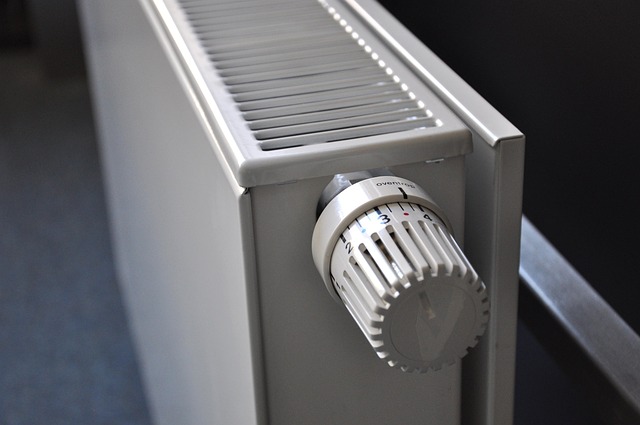
Background on Google Nest Thermostat Firmware Updates
Recent firmware updates for the Nest Thermostat were intended to improve performance and energy management but have been linked to operational disruptions. Users across multiple regions reported connectivity losses, system freezes, and unresponsive interfaces shortly after installation. The pattern of failures correlates closely with specific update versions, suggesting a causal link between firmware deployment and device instability.
Nature of the Reported Malfunctions
Post-update malfunctions vary widely in severity. Some devices fail to maintain Wi-Fi connections or repeatedly disconnect from home networks. Others enter continuous reboot loops or display blank screens, rendering manual control impossible. In certain cases, thermostats misread ambient temperatures, causing HVAC systems to overheat or fail to activate. Such inconsistencies not only inconvenience users but also impact household energy efficiency.
Technical Examination of Firmware Update Mechanisms
Understanding how these updates are delivered sheds light on potential vulnerabilities in the process. The automation designed to simplify maintenance may inadvertently remove critical layers of user oversight.
How Firmware Updates Are Delivered to Nest Devices
Firmware for the Google Nest Thermostat is distributed through over-the-air (OTA) updates managed by Google’s cloud infrastructure. These updates are automatically installed once a device connects to Wi-Fi, aiming to enhance security, efficiency, and integration with other smart home products. However, users cannot defer or schedule these installations, meaning updates can occur at inconvenient times or during active use—conditions that heighten perceived reliability risks when failures occur.
Potential Root Causes of Post-Update Failures
Technical analysis points toward several plausible causes for post-update malfunctions. Memory management conflicts between new software builds and older hardware revisions can lead to instability. Incremental rollouts may also introduce unforeseen bugs that escape internal testing environments. Furthermore, incompatibility between updated firmware and third-party HVAC systems or routers can cause cascading errors that disrupt device communication or sensor calibration.
User Experience and Community Feedback Analysis
Community feedback has become a valuable diagnostic tool for identifying systemic flaws in connected devices. Patterns emerging from user forums and support channels reveal consistent themes about reliability degradation after specific update cycles.
Patterns in User Complaints Across Platforms
User complaints cluster around particular firmware versions rather than isolated incidents, implying version-specific defects rather than random hardware failures. Reports appear globally distributed without regional concentration, indicating that network infrastructure differences are unlikely root causes. Severity ranges from intermittent Wi-Fi loss to complete device failure—often described colloquially as “bricking.”
Impact on Energy Efficiency and Smart Home Integration
When thermostats malfunction, automated temperature schedules fail to execute correctly, leading to unnecessary heating or cooling cycles that increase energy consumption. Integration breakdowns also affect connected devices such as Google Home speakers or environmental sensors that rely on thermostat data for coordinated operation. For many users, these disruptions have reduced confidence in automation reliability—a critical factor influencing adoption rates for smart home technologies.
Legal and Consumer Protection Context
The legal ramifications extend beyond individual grievances; they question how far manufacturers can go in remotely modifying consumer-owned hardware without explicit consent.
Overview of Class Action Allegations Against Google
The class action lawsuit alleges that Google’s firmware updates rendered fully functional Nest Learning Thermostats unusable without prior notice or user approval. Plaintiffs argue this constitutes both concealment of product defects and breach of warranty obligations under consumer protection laws. The case raises broader questions about liability when remote software modifications alter product performance post-sale—a recurring issue as IoT ecosystems expand.
Implications for IoT Manufacturers and Firmware Governance
This dispute highlights an urgent need for transparent update policies that include rollback options when new versions cause failures. It also underscores the importance of extensive pre-deployment testing across multiple hardware generations before public rollout. Regulators may view this incident as justification for stricter governance frameworks governing IoT firmware distribution and consumer rights related to remote device management.
Industry Response and Technical Mitigation Strategies
In response to mounting scrutiny, Google has issued statements addressing both technical causes and customer support measures while emphasizing its commitment to long-term reliability improvements.
Google’s Official Statements and Support Measures
Google acknowledges limited instances of malfunction but maintains that most devices continue functioning normally after recent updates. Support documentation advises affected users to perform manual resets or power cycling as temporary fixes while diagnostic reviews are ongoing. Depending on verification outcomes, replacement programs or repair options may be provided under warranty coverage.
Preventive Measures for Future Firmware Deployments
To prevent recurrence, experts recommend staged rollouts combined with enhanced telemetry monitoring capable of detecting anomalies early in deployment phases. Introducing optional user-controlled scheduling could give consumers more autonomy over update timing—reducing disruption risk during critical use periods. Expanding beta testing pools across diverse device configurations would further strengthen stability before wide release.
Broader Implications for Smart Home Ecosystem Reliability
The Nest Thermostat incident serves as a cautionary example within the broader smart home industry about balancing rapid feature evolution with dependable functionality.
Lessons Learned from the Nest Thermostat Incident
This episode illustrates systemic vulnerabilities inherent in cloud-managed IoT ecosystems where centralized control can propagate faults across thousands of devices simultaneously. It emphasizes the necessity of balancing innovation speed with robust validation processes that safeguard product stability even under evolving network conditions.
Future Outlook for Connected Device Reliability Standards
Industry analysts anticipate growing demand for third-party certification programs verifying firmware reliability before mass deployment. Consumer advocacy is also expected to intensify around transparency regarding performance metrics following updates. Emerging research into adaptive firmware architectures capable of self-repair or automatic rollback upon fault detection could redefine resilience standards across future connected devices.
FAQ
Q1: What caused some Google Nest Thermostats to stop working?
A: Many reports attribute failures to recent automatic firmware updates introducing compatibility issues with older hardware models or network configurations.
Q2: Can users prevent automatic updates on their Nest devices?
A: Currently no official option exists for deferring OTA updates; they install automatically once connected online.
Q3: What steps has Google taken so far?
A: Google has offered troubleshooting guides including manual resets while evaluating replacement eligibility for verified defective units.
Q4: How does this affect energy consumption?
A: Malfunctioning thermostats disrupt programmed temperature schedules leading to inefficient heating or cooling cycles that raise energy use.
Q5: Could this case influence future IoT regulations?
A: Yes, it may prompt policymakers to require clearer disclosure about remote update practices and mandate rollback capabilities for connected products.