Has HomeKit Redefined Apple Home With Its Three New Updates
Apple Home Recently Got Better in Three Ways, Here’s What’s New
Apple HomeKit has entered a new phase of maturity. The latest upgrades push it beyond a mere smart home controller into a cohesive automation platform. The system now connects more devices through Matter, processes automations locally for better privacy, and offers a unified interface across Apple hardware. These changes reflect Apple’s strategy to anchor the connected living experience in security, interoperability, and intelligence. For professionals in IoT and home automation, these developments show how Apple is aligning its ecosystem with emerging standards while maintaining its hallmark focus on user trust and seamless integration.
The Position of HomeKit in Apple’s Connected Home Vision
Apple HomeKit sits at the heart of the company’s connected living strategy. It was designed as a framework that organizes multiple smart devices under one secure ecosystem. Over time, its function has evolved from simple device control to an intelligent orchestration layer that links hardware, software, and cloud services.
HomeKit’s evolution has always mirrored Apple’s broader priorities—privacy by design, encrypted communication, and ease of use across all devices. Integration with iCloud provides synchronization for automations and configurations, while Siri acts as the natural interface for voice-based control. Together they create a continuous experience where lighting, climate systems, and media respond intuitively to user intent.
Integration With iCloud and Siri Strengthens Interoperability Across Devices
The seamless interaction between iCloud and Siri makes device management consistent whether accessed from an iPhone, iPad, or HomePod. This approach reduces friction across different product lines and allows users to extend control to remote environments without additional setup.
How the New Upgrades Reflect Apple’s Broader IoT Strategy
Apple’s latest updates are not incremental tweaks but part of a deliberate repositioning toward a smarter, more autonomous ecosystem. Each upgrade expands the boundaries of what can be automated locally while maintaining interoperability with non-Apple platforms.
This shift signals Apple’s confidence in local intelligence as the future of IoT—where devices make real-time decisions without constant cloud dependency. At the same time, backward compatibility ensures that existing accessories remain functional within new frameworks such as Matter.
The Upgrades Reinforce Apple’s Commitment to Matter
Matter represents a universal standard for smart home connectivity supported by major industry players including Amazon, Google, and Samsung. By strengthening its support for Matter within HomeKit, Apple confirms its intention to participate actively in shaping cross-platform interoperability rather than confining users within proprietary limits.
Upgrade One: Enhanced Device Interoperability and Matter Integration
The first major improvement centers on how HomeKit communicates with other ecosystems. With Matter now fully integrated into Apple Home architecture, users gain flexibility without sacrificing security or simplicity.
Advancements in Cross-Platform Compatibility
HomeKit now provides deeper integration with Matter-enabled accessories so that homeowners can manage devices from different manufacturers through one interface. This eliminates vendor lock-in—a long-standing issue in smart home adoption—and creates an open environment where thermostats from one brand can interact smoothly with lighting systems from another.
Developers also benefit from expanded API access that supports cross-compatible experiences. They can now write automations that function across multiple protocols without building separate apps or bridges.
Technical Improvements in Communication Protocols
Thread networking support improves reliability by creating self-healing mesh connections among devices. Combined with Wi‑Fi 6E compatibility, latency drops significantly during command execution. Multi-admin capabilities further allow shared control between different ecosystems while keeping communication encrypted end-to-end—a crucial aspect for enterprise-grade installations like managed apartments or offices.
Upgrade Two: Smarter Automation Through On-Device Intelligence
The second upgrade transforms how automation logic is processed inside the home environment itself. Rather than routing every command through external servers, key computations now occur directly on local hubs such as HomePod mini or Apple TV 4K.
This architectural change reduces response times dramatically while enhancing privacy protection—two goals rarely achieved together in cloud-heavy IoT models.
Local Processing for Privacy-Centric Automation
Machine learning models running locally mean personal data never leaves the household network during routine operations. Automations trigger instantly because they no longer depend on internet latency or remote verification steps. This model aligns closely with global privacy frameworks like GDPR by minimizing unnecessary data exposure while preserving functionality.
Context-Aware Automation Scenarios
HomeKit’s intelligence layer now adapts dynamically based on environmental inputs such as occupancy detection or ambient light levels. For example, lights can dim automatically when everyone leaves a room or brighten gradually at sunrise according to circadian rhythm data sourced via HealthKit integration. When paired with WatchOS metrics like heart rate variability or sleep tracking, automations can even adjust temperature settings for optimal comfort during rest periods—a subtle but meaningful step toward wellness-driven living spaces.
Upgrade Three: Unified Control Interface Across Devices
The third improvement focuses on usability—the bridge between complex technology and everyday convenience. The redesigned Home app consolidates all device categories into one visual dashboard that feels consistent across macOS, iOS, iPadOS, and visionOS interfaces.
This uniformity matters not just for aesthetics but also for operational efficiency when managing dozens of connected accessories simultaneously.
A Redesigned Home App Experience
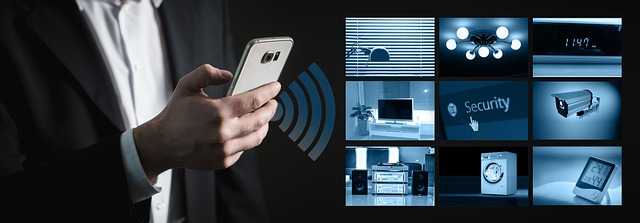
The updated app displays lighting zones, security cameras, climate controls, and entertainment systems within customizable tiles that show real-time status updates. Professionals deploying large-scale installations—such as boutique hotels or smart offices—can tailor layouts using widgets suited to specific roles like facility management or guest comfort monitoring.
Multi-Hub Synchronization and Remote Access Enhancements
Multiple hubs now synchronize automatically so that if one loses connection temporarily another takes over seamlessly. Remote access remains protected by end-to-end encryption validated through secure enclave hardware authentication on each device. Siri integration also gains contextual awareness: voice commands adapt depending on which hub receives them—for instance responding differently when issued from an Apple Watch versus a stationary speaker unit.
Implications for Developers and Industry Professionals
These upgrades collectively reshape both developer workflows and market expectations around what constitutes a “smart” home ecosystem today. They open new possibilities for innovation while reinforcing compliance with security best practices defined by international standards like ISO/IEC 27001 for information protection.
Opportunities Created by Expanded APIs and SDKs
Developers gain access to richer sensor categories such as air quality monitors or occupancy detectors that enable more nuanced automations. Enhanced debugging tools simplify testing across mixed-protocol environments combining Thread, Bluetooth LE, and Wi‑Fi devices—all within Xcode’s unified environment.
For integrators building professional solutions—say energy management dashboards—the broader SDK documentation accelerates deployment cycles without compromising stability.
The Future Direction of Smart Living Under Apple’s Framework
Apple is clearly positioning itself not only as a consumer electronics leader but also as an orchestrator of sustainable digital infrastructure. Its emphasis on energy efficiency aligns with global initiatives promoted by organizations like the International Energy Agency (IEA), which advocate reducing residential power consumption through intelligent automation systems.
Future collaborations between hardware manufacturers and service providers will likely deepen this ecosystem synergy—creating homes that are not just connected but contextually aware and environmentally responsible.
FAQ
Q1: What is the main goal behind Apple HomeKit’s recent upgrades?
A: The upgrades aim to enhance interoperability through Matter support, improve privacy via local processing, and simplify control using a unified interface across all Apple devices.
Q2: How does local processing improve user privacy?
A: Local processing keeps sensitive data inside the home network instead of sending it to external servers, reducing exposure risks while improving response speed.
Q3: Can non‑Apple devices work smoothly within HomeKit after these updates?
A: Yes, thanks to expanded Matter integration users can manage compatible third‑party devices directly within the Home app without relying on separate vendor applications.
Q4: What benefits do developers gain from the new APIs?
A: Developers can build more advanced automations using new sensor types and enjoy improved debugging tools that streamline multi‑protocol testing environments.
Q5: How do these changes fit into global sustainability efforts?
A: By supporting energy‑efficient automation routines and encouraging interoperability standards recognized by bodies like IEA and IEC 62368‑1 safety guidelines, Apple contributes to smarter resource use across connected homes worldwide.