
What Makes a CBB60 Capacitor Essential in High-Efficiency Motor Systems
No Valid Title
The CBB60 capacitor plays a decisive role in the performance and efficiency of modern motor systems. Its metallized polypropylene design, strong insulation, and self-healing feature make it a preferred choice for both industrial and household motor applications. This component not only stabilizes electrical performance but also enhances torque characteristics and reduces energy losses. For engineers designing high-efficiency motors, the CBB60 capacitor remains a critical element balancing durability, reliability, and cost-effectiveness.
Understanding the Role of the CBB60 Capacitor in Motor Systems?
In motor engineering, capacitors serve as both energy storage and phase-shifting devices. The CBB60 type is specifically engineered for alternating current (AC) environments where consistent performance under varying load conditions is essential. Its design ensures stable operation even when exposed to voltage fluctuations or thermal stress.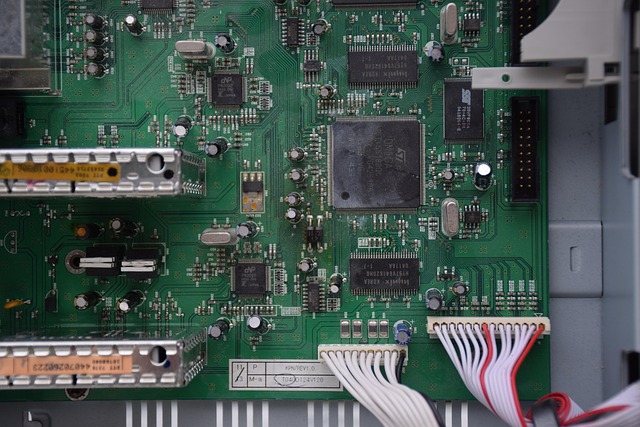
Overview of CBB60 Capacitor Design and Composition
The CBB60 capacitor is a metallized polypropylene film capacitor built for AC applications. It uses a cylindrical plastic housing that provides insulation and mechanical stability during continuous operation. The self-healing property allows recovery after dielectric breakdown, extending its operational life significantly. Engineers value this characteristic because it minimizes downtime in systems such as pumps or compressors where reliability is non-negotiable.
Electrical Characteristics Relevant to Motor Applications
Typically operating within 250V to 450V AC, the CBB60 capacitor maintains low dielectric loss and high insulation resistance. These attributes ensure minimal energy dissipation as heat while preserving capacitance stability over time. Even under fluctuating current loads or frequency variations, its electrical behavior remains consistent—an essential factor for motors subjected to frequent starts or variable speed drives.
Functional Importance in High-Efficiency Motors?
As industries move toward higher efficiency standards, each component’s contribution to overall system performance becomes more critical. The CBB60 capacitor directly influences power quality, torque output, and long-term motor reliability.
Power Factor Correction and Energy Optimization
One of its primary functions is improving the motor’s power factor by compensating for reactive power. This correction reduces current draw from the supply network, leading to improved energy efficiency across prolonged operation cycles. In industrial setups where motors run continuously, this translates into measurable cost savings through reduced system losses and optimized electrical usage.
Starting Torque Enhancement in Single-Phase Motors
In single-phase induction motors, the CBB60 capacitor provides the necessary phase shift for auxiliary winding activation at startup. This mechanism ensures smoother acceleration while reducing mechanical stress on bearings and shafts. Applications like air compressors or centrifugal pumps benefit from this quick start-up response since they demand immediate torque delivery without excessive current surges.
Performance Advantages of Using CBB60 Capacitors?
Beyond their basic function, these capacitors offer distinct advantages that extend equipment lifespan and maintain system reliability under demanding conditions.
Thermal Stability and Reliability Under Load
Polypropylene film construction grants excellent thermal endurance up to around 85°C or higher. Low internal heating prevents premature aging during high-frequency operation, making it suitable for environments with wide temperature variations or continuous duty cycles such as HVAC systems or washing machine motors.
Electrical Efficiency and Harmonic Reduction
The low equivalent series resistance (ESR) characteristic minimizes energy dissipation as heat while supporting stable capacitance values that reduce harmonic distortion in AC circuits. By maintaining waveform integrity in inverter-driven systems, the CBB60 capacitor helps preserve both motor efficiency and control precision—a growing requirement in smart manufacturing setups.
Integration Considerations in Motor Design?
Successful integration of a CBB60 capacitor requires careful alignment between electrical specifications, mechanical layout, and environmental conditions.
Compatibility with Different Motor Types
This capacitor type is widely used in asynchronous single-phase induction motors found in appliances like refrigerators or industrial fans. It adapts seamlessly to both permanent split capacitor (PSC) configurations and start-run designs. Such flexibility allows manufacturers to standardize components across multiple product lines without compromising performance across diverse load profiles.
Installation, Mounting, and Maintenance Factors
Proper installation directly affects longevity. Vertical mounting improves cooling efficiency while minimizing moisture accumulation inside the housing. Depending on exposure levels—such as outdoor versus indoor use—engineers can select between plastic or aluminum housings for optimal protection against humidity or vibration.
Proper Mounting Orientation and Housing Selection
A vertical orientation aids natural convection cooling which reduces internal temperature rise during extended use. Where environmental exposure is high, aluminum housings offer better shielding against UV radiation or corrosive atmospheres compared to standard plastics.
Maintenance Practices for Longevity
Routine inspection of capacitance values helps detect early degradation signs before failure occurs. Monitoring temperature increase during operation can also reveal issues like dielectric fatigue or rising leakage currents—both indicators that replacement may soon be necessary.
Technological Developments Influencing CBB60 Capacitor Performance?
Recent advancements have refined both materials science and manufacturing methods behind these capacitors, aligning them with emerging trends in compact motor technology.
Advances in Metallized Film Technology
Manufacturers now employ thinner metallization layers that boost energy density without sacrificing reliability. Enhanced self-healing materials improve fault tolerance against transient overvoltages—a common occurrence in unstable grid environments—making modern variants more resilient than earlier generations.
Trends Toward Compact, High-Efficiency Motor Systems
As demand grows for smaller yet more powerful electric motors—particularly in home appliances—CBB60 capacitors are evolving accordingly. Innovations in dielectric formulation and winding geometry allow higher capacitance within reduced volumes. Additionally, integration with smart control circuits now enables real-time monitoring of parameters such as temperature drift or internal pressure changes.
Evaluating Quality Standards and Compliance Requirements?
Adherence to international standards defines not just safety but also expected operational consistency over thousands of hours of service life.
Industry Certifications Ensuring Operational Safety
Compliance with IEC 60252 standards guarantees safety under continuous AC operation conditions commonly encountered in motor circuits worldwide. UL recognition further confirms conformity with global electrical safety norms governing motor capacitors used across residential and industrial sectors alike.
Testing Parameters Defining Performance Metrics
Capacitance tolerance testing ensures predictable behavior within specified limits throughout its service period while leakage current testing validates insulation integrity under rated voltage stress conditions.
Capacitance Tolerance and Leakage Current Testing
Tight tolerance levels are essential since even minor deviations can alter phase angle relationships within single-phase systems leading to inefficiencies or noise generation during startup sequences.
Endurance Testing Under Rated Voltage Conditions
Manufacturers conduct prolonged test cycles replicating real-world thermal and electrical stresses at rated voltages to validate durability metrics before certification approval—a process that filters out weak units early in production batches ensuring field reliability once deployed.
FAQ
Q1: What distinguishes a CBB60 capacitor from other film capacitors?
A: It is specifically designed for AC motor applications with self-healing polypropylene film construction providing high stability under continuous load conditions.
Q2: Can a CBB60 capacitor replace an electrolytic type?
A: No, electrolytic capacitors handle DC circuits whereas the CBB60 operates exclusively on AC lines due to its dielectric composition.
Q3: How long does a typical CBB60 capacitor last?
A: When operated within rated voltage and temperature limits, lifespan often exceeds 10 years depending on environmental factors like humidity or vibration exposure.
Q4: Is polarity important when connecting a CBB60 capacitor?
A: No polarity exists since it’s an AC device; however correct terminal connection according to circuit design remains crucial for safe operation.
Q5: What happens if capacitance drifts beyond tolerance?
A: Deviations affect starting torque or running efficiency; periodic measurement helps maintain optimal performance especially in single-phase induction motors used continuously.