Is the Amazon Smart Thermostat Redefining Efficiency in Regular vs Smart Thermostats
Regular vs. Smart Thermostats: Everything You Wanted to Know
Thermostats have evolved from simple mechanical devices into intelligent systems that learn, predict, and adapt. For professionals evaluating energy management strategies, the distinction between regular and smart thermostats is clear: smart thermostats deliver measurable efficiency gains through automation, data analytics, and connectivity. The Amazon Smart Thermostat exemplifies this shift, merging reliable hardware with AI-driven climate control. While traditional models offer stability, they lack the dynamic adaptability that modern energy systems demand. The evidence points toward one conclusion—smart thermostats are not just convenient; they are foundational to the next generation of sustainable building management.
The Evolution of Thermostat Technology
The development of thermostat technology reflects broader changes in how buildings are managed for comfort and efficiency. Each generation—from manual to programmable to smart—has sought to balance user control with automation.
From Manual Controls to Programmable Systems
Early thermostats relied on mechanical temperature regulation using bimetallic strips or mercury switches. These devices were durable but inflexible, requiring constant manual adjustment. The introduction of programmable models in the late 20th century allowed users to set time-based temperature schedules, reducing energy use during unoccupied hours. However, despite this progress, such systems lacked adaptability. They could not respond in real time to occupancy changes or weather fluctuations, limiting their overall effectiveness.
The Emergence of Smart Thermostats
The integration of sensors and connectivity transformed temperature management into a data-driven process. Smart thermostats link to Wi-Fi networks and mobile applications, giving users remote access and control from anywhere. They also integrate with voice assistants such as Alexa or Google Assistant for hands-free operation. Machine learning algorithms now enable these devices to recognize patterns in user behavior—adjusting temperatures automatically based on preferences, occupancy trends, and even local weather forecasts.
The Amazon Smart Thermostat: Design and Functionality Overview
Among current market offerings, the Amazon Smart Thermostat represents a significant collaboration between consumer technology and industrial-grade HVAC expertise. Its design philosophy centers on simplicity without sacrificing technical depth.
Core Technical Specifications
Developed in partnership with Honeywell Home technology, the Amazon Smart Thermostat combines proven reliability with modern intelligence. It supports full Alexa voice control and integrates seamlessly into Amazon’s broader smart home ecosystem. Key features include adaptive scheduling that learns daily routines, occupancy detection through built-in sensors, and detailed energy usage insights accessible via the Alexa app.
User Experience and Interface Design
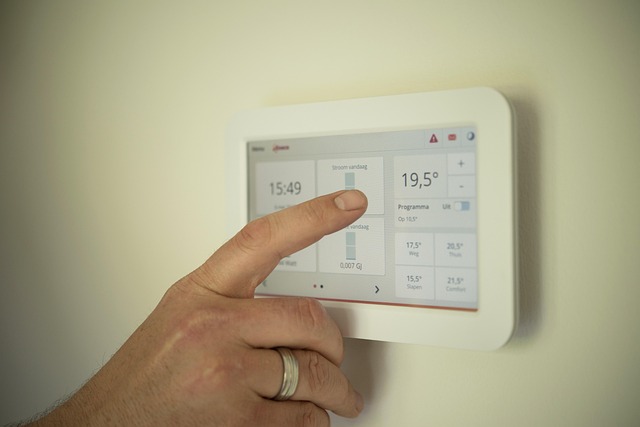
The device’s minimalist interface prioritizes clarity over complexity. A single touch-sensitive surface allows quick adjustments without cluttered menus or excessive options. Cloud-based updates continuously enhance performance by refining algorithms over time. Compatibility with most 24V HVAC systems ensures easy adoption across residential settings without extensive rewiring or equipment replacement.
Comparing Regular and Smart Thermostats in Operational Efficiency
Efficiency is where smart thermostats distinguish themselves most clearly from their predecessors. Their ability to interpret environmental data and adjust dynamically results in quantifiable energy savings.
Energy Management Capabilities
Regular thermostats operate on fixed settings that ignore contextual factors such as occupancy or outdoor temperature shifts. In contrast, smart models gather real-time data from sensors and online sources to make continuous micro-adjustments. This dynamic control minimizes unnecessary heating or cooling cycles while maintaining comfort levels consistent with user expectations.
Performance Metrics in Real-world Conditions
Field studies show that smart thermostats can reduce heating and cooling run times by up to 10–15% annually when properly configured. Integration with utility demand-response programs allows them to adjust consumption automatically during peak grid periods—a feature increasingly valued by both consumers and utilities seeking load balance efficiency. Regular models simply cannot provide feedback loops necessary for such optimization.
Integration within the Smart Home Ecosystem
Connectivity defines modern home automation systems, where multiple devices communicate through shared platforms for coordinated performance.
Role of Connectivity and Interoperability
Within Amazon’s ecosystem, the Amazon Smart Thermostat interacts smoothly with Alexa-enabled speakers, displays, lighting controls, security cameras, and appliances. This interoperability enables users to create routines—for example, lowering the temperature when lights turn off at night or adjusting climate settings when motion detectors sense absence. Cross-platform compatibility extends beyond Amazon devices through standardized communication protocols like Matter and Zigbee.
Data Privacy and Security Considerations
Continuous data exchange raises legitimate privacy concerns among experts monitoring IoT device proliferation. To mitigate risks, encrypted communication channels protect information transmitted between devices and cloud servers using industry-standard AES encryption protocols similar to those specified by ISO/IEC 27001 frameworks for information security management systems. Transparent privacy policies remain crucial for maintaining user trust as connected ecosystems expand further into personal environments.
Economic Implications of Adopting the Amazon Smart Thermostat
Adoption decisions often hinge on tangible economic outcomes rather than technological novelty alone.
Cost-Benefit Analysis for Residential Applications
While initial purchase costs exceed those of basic programmable units, long-term energy savings typically offset this difference within two years under average usage conditions reported by major utilities across North America. Many regions also offer rebates that lower upfront expenses further for consumers adopting smart climate control solutions aligned with sustainability initiatives. Self-diagnostic capabilities reduce maintenance visits by identifying system inefficiencies early—improving return on investment over time.
Commercial Sector Efficiency Gains
For commercial facilities managing multiple zones or properties, centralized monitoring through smart dashboards provides real-time visibility into performance metrics across locations simultaneously. Integration with existing building management systems enhances predictability in operations while reducing manual oversight requirements. Moreover, aggregated data supports sustainability reporting frameworks consistent with standards like GHG Protocol Corporate Accounting guidelines used in corporate environmental disclosures.
Future Directions in Thermostat Innovation
As artificial intelligence matures and renewable integration accelerates globally, thermostat technology will continue evolving toward predictive precision rather than reactive adjustment.
Advancements in Predictive Climate Control Algorithms
Next-generation AI models will use predictive analytics based on historical consumption patterns combined with external datasets such as weather forecasts or occupancy sensors embedded throughout buildings. These algorithms aim to refine comfort-energy balance dynamically while supporting grid stability through demand forecasting aligned with IEA recommendations on digital energy management practices.
Expanding Role of Voice Assistants and Automation Frameworks
Voice interfaces are becoming more conversational due to advances in natural language processing research guided by IEEE standards for human-computer interaction design principles. Context-aware automation will soon anticipate occupant needs beyond mere temperature regulation—adjusting lighting intensity or air quality parameters automatically based on behavioral cues collected securely within privacy-compliant frameworks.
FAQ
Q1: How does a smart thermostat differ from a programmable one?
A: A programmable thermostat follows preset schedules only; a smart thermostat learns user habits automatically and adjusts settings dynamically using sensors and connectivity features.
Q2: Is the Amazon Smart Thermostat compatible with all HVAC systems?
A: It works with most 24V heating and cooling systems but may require a C-wire adapter depending on installation conditions.
Q3: Can smart thermostats really save money?
A: Yes, studies show average annual savings between 8%–15% on heating and cooling costs due to adaptive scheduling and reduced runtime cycles.
Q4: What about privacy risks associated with connected thermostats?
A: Data transmitted between devices is encrypted using industry-standard security protocols; users can review permissions directly within their account settings for transparency.
Q5: Will future thermostats work better with renewable energy sources?
A: Emerging designs already incorporate predictive coordination with solar generation schedules or utility grid signals to align household consumption more closely with renewable supply availability.