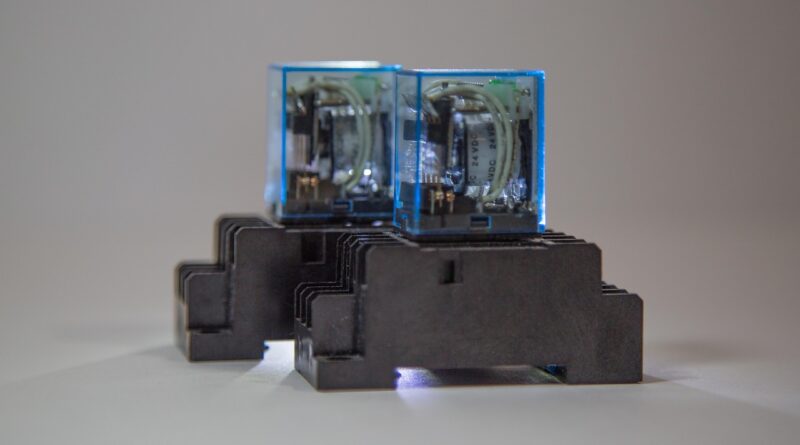
Latest news in the electronics industry for September 2026
September 2026 industry snapshot
As of September 19, 2026, the latest news in the electronics industry points to a split market, not a simple boom or downturn. Semiconductor sales are running at unusually strong levels, equipment suppliers are benefiting from AI-driven investment, and North American PCB and EMS orders remain ahead of shipments. At the same time, consumer electronics is under pressure from high memory costs, with smartphones and PCs facing weaker unit demand and higher average prices.
The practical takeaway is that upstream electronics capacity tied to AI, advanced memory and advanced logic is expanding, while price-sensitive device categories are becoming harder to serve profitably. You can also explore more in News.

For more sector updates, visit the News section.
| Date or period | Source signal | What changed | Why it matters |
|---|---|---|---|
| July 2026, released September 4 | Semiconductor sales | SIA reported global chip sales of $146.8 billion for July, up 6.4% from June and 135.1% from July 2025. | Chip demand remains the strongest headline in electronics, especially where AI and data infrastructure are driving consumption. (semiconductors.org) |
| 2026 forecast, released July 14 | Semiconductor equipment | SEMI forecast total semiconductor manufacturing equipment sales of $165.9 billion in 2026, up 23.2% year over year. | Capital spending is moving beyond chips themselves into wafer fab, test, assembly and packaging capacity. (semi.org) |
| Q2 2026 and full-year outlook | Smartphones | IDC reported a 7.4% year-on-year fall in Q2 smartphone shipments and forecast a 16.7% full-year shipment decline. | The consumer device market is absorbing the cost of scarce and expensive memory. (idc.com) |
| July 2026 | PCB and EMS orders | North American PCB and EMS book-to-bill ratios remained above 1.00. | Orders are still running ahead of billed sales in key electronics manufacturing channels. (electronics.org) |
Semiconductors remain the strongest part of electronics
The clearest September signal comes from semiconductor sales. The Semiconductor Industry Association reported on September 4, 2026 that July global semiconductor sales reached $146.8 billion. The release also said sales increased month to month for the 17th consecutive month and that year-to-date sales through July had already exceeded the industry’s highest-ever annual total. Because SIA uses WSTS monthly sales data on a three-month moving average basis, the figure is best read as a broad market indicator rather than a single-company result. (semiconductors.org)
The regional figures show that growth is not confined to one geography. According to SIA, July year-on-year sales rose in the Americas, Asia Pacific and all other regions, China, Europe and Japan. That breadth matters because electronics demand is often cyclical. If only one region or one end market is growing, suppliers can be exposed when that cycle turns. The current pattern suggests a wider demand base, although the reasons for that demand still vary by segment.
The strongest driver is not ordinary replacement demand. The electronics industry is being pulled by AI infrastructure, high-performance computing, advanced memory, data center hardware, and the power and interconnect systems that support them. That is why semiconductor strength can coexist with weakness in mass-market consumer electronics. The same DRAM, NAND, advanced packaging and leading-edge logic capacity that supports AI servers can tighten supply and raise costs for phones, PCs and other devices.
Equipment spending shows the industry is building for a different demand mix
SEMI’s mid-year forecast, released on July 14, 2026, adds another layer to the market picture. The association forecast that global sales of total semiconductor manufacturing equipment by OEMs would reach $165.9 billion in 2026, a 23.2% increase from the prior year, and projected continued growth to $229.5 billion in 2028. SEMI attributed the stronger outlook to investment in AI infrastructure, leading-edge logic, advanced memory, test and packaging. (semi.org)
The details are important. SEMI projected wafer fab equipment sales of $143.9 billion in 2026, with foundry and logic applications rising as chipmakers build capacity for AI accelerators, high-performance computing and premium mobile processors. It also projected DRAM equipment sales growth of 39.0% in 2026, supported by high-bandwidth memory demand. Test equipment and assembly and packaging equipment are also part of the expansion, reflecting more complex devices and tougher performance and reliability requirements. (semi.org)
For electronics companies outside the semiconductor sector, the message is not simply that more capacity is being added. Capacity is being added where chip architectures, memory bandwidth, packaging density and testing complexity are becoming more demanding. That has two practical consequences. First, capacity growth may eventually ease some constraints, but it may arrive first in premium and AI-related applications. Second, suppliers of materials, substrates, PCBs, connectors, power modules, cooling systems and test services will likely feel demand differently depending on whether they serve AI infrastructure or price-sensitive consumer hardware.
Consumer electronics is under pressure from memory costs
The consumer electronics story is less positive. IDC’s smartphone market update, refreshed in September 2026, reported that global smartphone shipments fell 7.4% year over year in Q2 2026 to 276.3 million units. IDC also forecast that full-year 2026 smartphone shipments would fall 16.7% to just over 1 billion units, while average selling prices would rise sharply because NAND and DRAM costs had climbed. (idc.com)
The split within smartphones is notable. IDC’s Q2 data showed Samsung and Apple gaining share at the top of the market while several Android vendors with heavier exposure to lower-price tiers declined. IDC’s explanation is that memory costs weigh more heavily on low-end devices, where component cost is a larger share of the bill of materials and margins are thinner. In practical terms, a memory shortage can remove low-cost models from shelves faster than it slows premium demand.
Gartner reached a similar direction earlier in the year, though with different forecast figures. In a February 26, 2026 release, Gartner said surging memory costs would reduce worldwide PC shipments by 10.4% and smartphone shipments by 8.4% in 2026 compared with 2025. Gartner also estimated that combined DRAM and SSD prices would surge 130% by the end of 2026, increasing PC prices by 17% and smartphone prices by 13% from 2025 levels. (gartner.com)
The difference between IDC’s later smartphone outlook and Gartner’s earlier forecast is useful in itself. It shows how quickly 2026 device expectations have moved as the memory situation developed. For retailers, distributors and device brands, the risk is not only lower volume. It is also a shift in product mix: fewer entry-level models, longer replacement cycles, more interest in refurbished devices, and greater pressure to justify higher prices with better performance, storage, cameras, battery life or on-device AI features.
PCB and EMS orders show manufacturing demand is still firm
Printed circuit boards and electronics manufacturing services provide a useful check on whether demand is turning into real production orders. The Global Electronics Association reported on August 25, 2026 that North American PCB shipments in July were up 14.5% year over year and that PCB bookings rose 62.0% year over year. The July three-month book-to-bill ratio stood at 1.46, meaning orders over the period were above billed sales. (electronics.org) See also: Gadgets.
For EMS, the signal was also positive but more nuanced. The Global Electronics Association reported on August 24, 2026 that the North American EMS book-to-bill ratio was 1.29 in July. EMS bookings rose 44.3% year over year and 76.0% from June, while July shipments slipped 0.3% year over year and 5.8% month to month. The association noted that month-to-month movements can be volatile and that year-on-year and year-to-date trends are more meaningful. (electronics.org)
| Manufacturing indicator | July 2026 reading | Plain-English interpretation |
|---|---|---|
| North American PCB book-to-bill | 1.46 | PCB orders were running well ahead of billed sales, suggesting firm demand for board fabrication capacity. |
| North American EMS book-to-bill | 1.29 | Assembly demand exceeded shipments, but the shipment dip shows that capacity, timing and mix still matter. |
| PCB bookings | Up 62.0% year over year | Order activity for boards accelerated strongly from the prior year. |
| EMS bookings | Up 44.3% year over year | Contract manufacturing demand remained strong despite uneven monthly shipment data. |
These PCB and EMS numbers help explain why the electronics industry cannot be described as weak simply because smartphones are under pressure. Production infrastructure is still busy where customers are placing orders for higher-value electronics, industrial systems, AI-related hardware, power electronics, networking equipment and specialized assemblies. However, a high book-to-bill ratio is a demand signal, not a guarantee of immediate revenue. Lead times, labor, component availability and product mix can still limit what ships in a given month.
What electronics companies should take from the latest news
The first takeaway is that planning around average industry growth is risky. Semiconductor and equipment data point to expansion, while consumer devices point to unit pressure. Companies should segment their forecasts by end market, memory intensity, price tier and exposure to AI infrastructure instead of assuming one electronics cycle applies to every product.
- For OEMs: memory cost exposure should be visible at the design stage. Lower memory configurations, older nodes or simplified variants may protect entry-price points, but they can also weaken user experience.
- For distributors: inventory strategy should separate fast-moving AI, power and industrial components from consumer-device parts that may face slower sell-through.
- For EMS providers: strong bookings are encouraging, but shipment conversion depends on realistic capacity allocation and component availability.
- For PCB suppliers: the July order strength suggests firm demand, especially for boards tied to complex electronics, but sustained growth should be confirmed across several months.
- For device brands: higher prices make product positioning more important. Premium models may absorb cost increases better than entry-level products.
The second takeaway is that memory has become a strategic bottleneck for a much wider set of electronics products. DRAM and NAND are no longer just commodity line items. They now influence product roadmaps, bill-of-materials targets, retail prices, replacement cycles and even which market segments remain viable.
What to watch through the rest of 2026
The next several months will show whether the industry split widens or narrows. The most important indicators are monthly semiconductor sales, memory price trends, updated PC and smartphone shipment forecasts, PCB and EMS book-to-bill ratios, and capital spending plans from chipmakers and equipment suppliers. If semiconductor sales remain strong while device units fall, the market will continue to favor suppliers tied to AI infrastructure, advanced memory, high-end compute and manufacturing capacity.
If memory prices stabilize, consumer electronics brands may regain some flexibility in pricing and entry-level product design. If memory remains scarce into 2027, the market may continue shifting toward premium devices, longer upgrade cycles and fewer low-cost models. That would support revenue in some categories while reducing unit volume and limiting access for budget-conscious buyers.
For readers tracking electronics market changes, the useful question is not whether the industry is up or down. The better question is which layer of the value chain is being measured. In September 2026, chips, equipment, PCBs and EMS orders look much healthier than low-end smartphones and entry-level PCs. That gap is the core story behind the latest electronics industry news.
Frequently asked questions
What is the biggest electronics industry news in September 2026?
The biggest theme is the split between strong semiconductor and manufacturing demand and weaker consumer device unit demand. SIA’s July chip sales data and SEMI’s equipment forecast show strength upstream, while IDC and Gartner data show pressure on smartphones and PCs from high memory costs.
Why are chips growing while smartphones are declining?
Chip demand is being lifted by AI infrastructure, advanced memory, high-performance computing and data center investment. Smartphones, especially low-end models, are more exposed to rising DRAM and NAND costs because memory is a larger share of their bill of materials.
Are PCB and EMS orders improving?
Yes. The latest available July 2026 North American data showed PCB and EMS book-to-bill ratios above 1.00. That means orders exceeded billed sales over the measured period, although month-to-month shipment results can still be uneven.
Will electronics prices keep rising in 2026?
Current market data points to continued pricing pressure in memory-heavy devices, especially smartphones and PCs. The size and duration of price increases will depend on DRAM and NAND supply, vendor pricing decisions, product mix and consumer tolerance for longer replacement cycles.