Can A Smart Home Thermostat Truly Reduce Monthly Utility Bills
Smart Thermostats May Be the Key to Lower Monthly Utility Bills
Smart home thermostats have evolved into critical instruments for managing residential energy costs. Their ability to learn, adapt, and interact with other connected systems allows them to reduce wasteful heating and cooling cycles. For most households, this translates directly into lower monthly utility bills without sacrificing comfort. The combination of sensor data, predictive algorithms, and integration with broader smart ecosystems makes these devices not only convenient but also economically strategic.
Understanding the Functionality of Smart Home Thermostats?
Smart thermostats operate through a blend of software intelligence and hardware precision. Their design centers on learning user habits while maintaining energy-efficient climate control across diverse HVAC systems.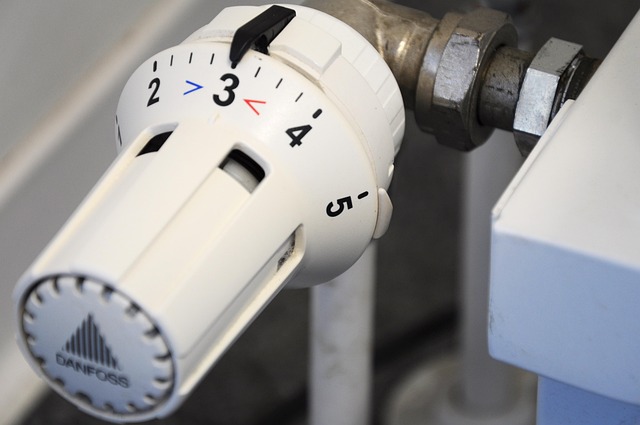
Core Technologies Behind Smart Thermostats
Modern smart home thermostats rely on sensors that track temperature, humidity, and motion. These sensors feed data into machine learning algorithms that identify daily patterns—when occupants leave for work or return home—and adjust settings accordingly. Cloud connectivity enables remote control via smartphones or voice assistants and allows firmware updates that refine performance over time. Communication with HVAC systems typically occurs through Wi-Fi or Zigbee protocols, ensuring compatibility across multiple device brands and system types.
Data Collection and Energy Optimization Mechanisms
Continuous data collection is central to their function. By monitoring indoor conditions in real time, smart thermostats can predict when to activate heating or cooling before discomfort arises. Predictive analytics use weather forecasts and historical behavior patterns to fine-tune temperature schedules. Some devices even incorporate utility rate structures, shifting energy-intensive operations to off-peak hours for cost savings.
The Relationship Between Smart Thermostats and Energy Efficiency?
The link between thermostat intelligence and HVAC efficiency lies in precision control. By minimizing unnecessary system activity, these devices enhance comfort while cutting consumption.
How Smart Thermostats Influence HVAC System Performance
Traditional thermostats rely on fixed setpoints; smart models continuously adjust based on occupancy data. This reduces short cycling—the frequent starting and stopping of HVAC equipment—which wastes energy and wears down components. Maintaining stable temperature ranges helps compressors and furnaces run more efficiently. In zoned systems, smart thermostats can coordinate airflow distribution so that only occupied areas receive conditioning.
Quantifying Potential Energy Savings
Field studies from organizations such as the U.S. Department of Energy show average household savings between 10% and 20% annually when switching from programmable to smart thermostats. Results vary by region: colder climates often see higher reductions due to heating optimization, while milder zones experience moderate gains primarily from air-conditioning adjustments. Seasonal factors like humidity also influence outcomes since adaptive algorithms perform differently under varying environmental loads.
Economic Implications for Monthly Utility Bills?
Beyond technical efficiency, the financial dimension is what drives most consumer interest in smart home thermostats.
Cost-Benefit Assessment of Smart Thermostat Adoption
The upfront investment typically ranges from $100 to $250 per unit depending on brand and features. However, long-term operational savings often offset this within one to three years through reduced electricity or natural gas consumption. In homes with variable occupancy—vacation properties or rental units—the automated scheduling further prevents wasted energy when spaces are empty.
Role of Utility Incentives and Rebates
Many regional utilities offer rebates covering part of the purchase cost for ENERGY STAR–certified models. These incentives aim to accelerate adoption rates among both homeowners and commercial facilities by lowering financial barriers. Policy frameworks promoting demand-side management increasingly include such programs as tools for reducing grid strain during peak hours.
Integration with Broader Smart Home Ecosystems?
Smart thermostats rarely operate in isolation; their value multiplies when integrated into a connected environment where multiple devices collaborate toward efficiency goals.
Interoperability with Other Connected Devices
Integration with smart lighting systems allows coordinated dimming or shading adjustments based on temperature readings. Automated window shades can close during midday heat peaks while occupancy sensors confirm whether rooms are in use before activating HVAC cycles. Centralized platforms like Google Home or Amazon Alexa provide unified control interfaces that simplify automation routines.
The Influence of IoT Standards on Efficiency Outcomes
Interoperability standards such as Matter or Thread are shaping next-generation device communication by enabling seamless cross-brand compatibility. Security remains a concern: encrypted data exchange protocols protect user privacy while maintaining real-time responsiveness. As IoT standards mature, unified home energy management systems will likely emerge—capable of balancing comfort preferences with dynamic utility pricing signals.
Environmental and Sustainability Considerations?
Energy savings translate directly into environmental benefits by reducing carbon emissions associated with residential power use.
Contribution to Carbon Footprint Reduction
By trimming unnecessary heating or cooling cycles, smart thermostats cut household CO₂ output proportionally to energy saved. When paired with renewable electricity sources like rooftop solar panels, they can further synchronize consumption patterns with clean generation availability through demand response programs supported by utilities worldwide.
Lifecycle Analysis of Smart Thermostat Devices
While manufacturing involves electronic components that carry environmental costs, extended device lifespans mitigate this impact compared to traditional models replaced more frequently due to wear or inefficiency. Manufacturers are increasingly adopting recyclable materials in enclosures and packaging while offering take-back programs that reduce e-waste accumulation over time.
Challenges Limiting Widespread Efficiency Gains?
Despite their potential, not every user experiences maximum benefit from a smart thermostat installation.
Behavioral Factors Affecting Energy Savings Potential
User engagement significantly affects performance outcomes. Some homeowners override automated schedules too often or disable adaptive learning due to perceived inconvenience, which undermines efficiency gains. Others rely entirely on automation without verifying comfort levels or adjusting seasonal settings—resulting in suboptimal configurations that negate expected savings.
Technical Limitations and Future Research Directions
Compatibility issues persist between certain older HVAC systems and advanced thermostat models requiring specific wiring setups or communication standards. Sensor accuracy can drift over time if not calibrated properly, affecting temperature readings by small yet impactful margins. Ongoing research explores artificial intelligence–driven predictive maintenance capable of detecting equipment faults early using operational data streams—a promising direction for future integration with grid-responsive algorithms offering real-time feedback loops between utilities and households.
FAQ
Q1: How does a smart thermostat differ from a programmable one?
A: A programmable thermostat follows fixed schedules set manually; a smart thermostat learns behavior patterns automatically and adjusts settings dynamically based on occupancy data and weather forecasts.
Q2: Can installing a smart thermostat lower my energy bills immediately?
A: Most users notice measurable reductions within the first billing cycle after installation if adaptive scheduling features remain active throughout daily operation.
Q3: Are all HVAC systems compatible with smart home thermostats?
A: Not all; older two-wire heating-only systems may require additional adapters or professional installation for full functionality.
Q4: Do smart thermostats need constant internet access?
A: They function locally without it but lose remote control capabilities, cloud analytics updates, and some predictive features until connectivity resumes.
Q5: What environmental advantage do they offer beyond cost savings?
A: Reduced electricity demand leads directly to lower greenhouse gas emissions from power generation sources, supporting broader sustainability targets at both household and community scales.