Is Google’s New Home Speaker Redefining Smart Home Products After Six Years
After Six Years, Google’s New Home Speaker Might Actually Have a Release Date
The long-awaited refresh of Google’s Home speaker marks more than just a product update—it signals a strategic shift in the company’s approach to smart home products. Over six years after the first Google Home debuted, the upcoming model appears poised to unify AI-driven intelligence with tighter ecosystem integration. This evolution reflects how Google has moved from building standalone devices to crafting an interconnected, adaptive environment where hardware, software, and contextual data converge to redefine what a smart home can do.
The Evolution of Google’s Smart Home Ecosystem
Google’s journey in the smart home space tells a story of experimentation, iteration, and eventual ecosystem maturity. The original Google Home was not only a product launch but also a declaration of intent—to bring AI-powered assistance into daily life through natural voice interaction.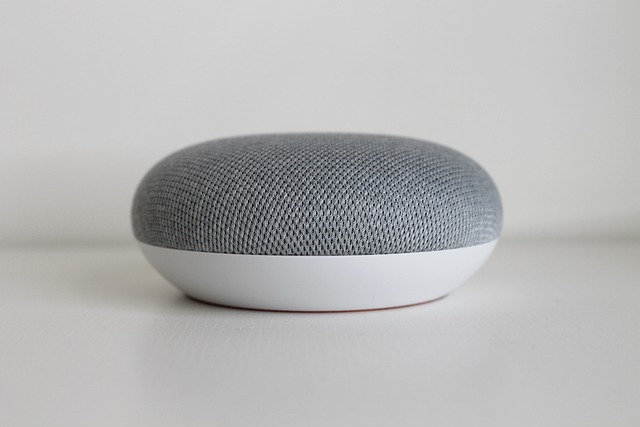
A Retrospective on Google Home’s Development Cycle
When Google introduced its first Home speaker in 2016, it entered a market already energized by Amazon Echo. The device’s market positioning centered on conversational access to information and control over connected devices. Over time, the lineup expanded with the Mini, Max, and Nest-branded successors. Each iteration brought improved sound fidelity, smarter microphones, and deeper integration with services like YouTube Music and Chromecast.
Across six years, the ecosystem grew beyond speakers into displays, thermostats, cameras, and routers under the Nest brand. This broadened portfolio allowed Google to merge its AI assistant with ambient computing principles—where technology fades into the background yet remains responsive and context-aware.
Competitive Landscape in Smart Home Technology
The competition among major players—Amazon Echo with Alexa, Apple HomePod with Siri, and Samsung SmartThings—has shaped consumer expectations for interoperability and privacy. Amazon focused on broad third-party compatibility early on; Apple leaned toward secure local processing; Google pursued contextual intelligence across devices.
Market trends now emphasize cross-platform standards like Matter and Thread that simplify device pairing regardless of brand. Meanwhile, AI advancements have become key differentiators: voice assistants are evolving from command-based interfaces into adaptive companions capable of anticipating needs rather than merely reacting to them.
The Technological Advancements Behind the New Google Home Speaker
As anticipation builds around the new release date, attention turns toward what technological progress defines this generation. The design philosophy seems less about novelty and more about refinement—how hardware precision meets intelligent software orchestration.
Hardware Innovations and Acoustic Engineering
The new speaker is expected to feature upgraded acoustic components with improved dynamic range and bass performance while maintaining compact form factors suitable for modern interiors. Engineers have reportedly refined microphone arrays for better far-field detection in noisy rooms—a crucial improvement for multi-user households.
Material innovation also plays a role: sustainable fabrics and recycled plastics align with global energy efficiency goals set by institutions like the International Energy Agency (IEA). These choices reflect both aesthetic sensibility and environmental responsibility as sustainability becomes integral to consumer electronics design.
Software Intelligence and AI Integration
Software remains where most of the magic happens. Recent updates to Google Assistant have enhanced natural language processing accuracy across multiple languages and accents. Contextual memory allows it to follow conversations more fluidly or continue tasks across devices—from asking about weather on a phone to setting reminders through the speaker.
Adaptive learning algorithms analyze usage patterns locally rather than relying solely on cloud data centers. This shift toward edge processing reduces latency for commands while strengthening privacy safeguards. Synchronization across Nest hubs, Android phones, TVs via Chromecast ensures that user preferences persist seamlessly within one digital environment.
Redefining Smart Home Interaction Models
The next phase in smart home evolution focuses less on individual device performance and more on how everything works together intuitively. Connectivity standards and predictive automation will define how users experience this interconnected network.
Seamless Connectivity Across Devices
Matter protocol adoption is central here—it enables unified control across brands so that lights from one manufacturer can respond instantly to voice commands issued through another platform’s speaker. Edge computing further enhances responsiveness by processing simple commands locally instead of routing every query through distant servers.
This seamlessness matters because consumers now expect their smart home products to communicate without friction. A thermostat adjusting when someone plays music or turns off lights isn’t futuristic anymore—it’s baseline functionality driven by interoperability improvements.
Contextual Awareness and Predictive Automation
Smart homes are transitioning from reactive systems that wait for input to anticipatory environments that act proactively based on sensor data. Environmental sensors embedded in newer Nest devices monitor temperature shifts or ambient noise levels to adjust lighting or sound output dynamically.
Privacy remains critical amid this intelligence leap. On-device AI ensures personal data stays within local boundaries while still delivering personalization benefits—like recognizing preferred volume levels during different times of day without transmitting behavioral logs externally.
Strategic Implications for the Smart Home Industry
With this product cycle renewal, Google appears ready to reposition itself not just as a hardware maker but as an orchestrator of connected living experiences spanning multiple categories beyond consumer electronics.
Google’s Positioning in the Post-Ecosystem Era
The company’s strategy has clearly shifted from selling individual gadgets toward nurturing an open ecosystem where developers can build interoperable applications using shared protocols such as Matter or Thread APIs. Partnerships extend into energy management firms, automotive systems integrating Android Auto routines at home entry points, and even enterprise IoT platforms bridging residential insights into commercial contexts.
For developers, this means broader opportunities but also higher technical expectations: building apps capable of functioning predictively across heterogeneous networks rather than isolated device silos.
Market Impact and Future Outlook
If executed effectively, this new speaker could reset benchmarks for what consumers expect from smart home products—especially around contextual intelligence and acoustic precision combined with sustainability credentials. Early adopters within tech-savvy demographics are likely to drive initial uptake before mainstream expansion through bundled Nest offerings or subscription-based service layers tied into YouTube Premium or Pixel ecosystems.
Looking ahead five years, convergence between generative AI models and household automation could redefine “smart” altogether—moving from command-driven responses toward environments capable of emotional tone recognition or multimodal interaction blending voice with gesture cues.
FAQ
Q1: When is Google expected to release its new Home speaker?
A: While no official date has been confirmed publicly yet, industry leaks suggest that production timelines indicate an imminent launch window within this year’s product cycle refresh period.
Q2: How does it differ from previous generations?
A: The upcoming model emphasizes improved sound quality, faster local response times via edge computing, expanded Matter support for cross-brand compatibility, and sustainable materials throughout its chassis design.
Q3: Will older Nest devices remain compatible?
A: Yes. Backward compatibility remains central to Google’s strategy; existing Nest speakers and displays will integrate smoothly under unified control frameworks once firmware updates roll out globally.
Q4: What makes Matter protocol significant?
A: Matter simplifies device setup by creating universal communication standards so users can mix brands freely without complex configuration steps or fragmented app ecosystems.
Q5: How does privacy factor into these upgrades?
A: Most new features rely on local processing rather than cloud storage; sensitive data like voice samples stay encrypted within the device itself while still allowing personalized automation experiences.